

Annapurna 2026
The Annapurna region is widely regarded as one of the best trekking destinations in Nepal.
The Annapurna Circuit trek through Thorong La Pass is one of the many possible routes in the Annapurna region to explore the stunning beauty of this area. Along the trail, you will be greeted by the warm hospitality of Nepalese culture and surrounded by glaciers, waterfalls, lakes, and majestic mountains.
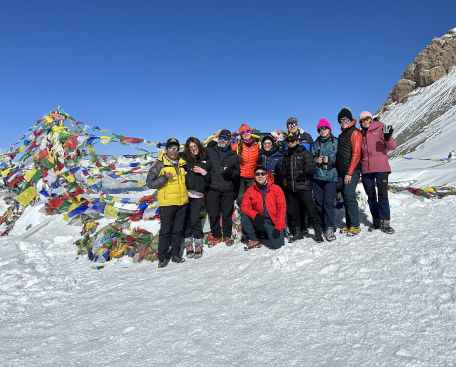

HIGHEST POINT: 5464 Mts

LOCATION: Annapurna, Nepal

DURATION: 18 days

DATE: 7 to 24 November

PHYSICAL DIFFICULTY: Moderate

TECHNICAL DIFFICULTY: No prior experience required, but regular exercise is recommended.

COST PER PERSON: 3300 dólars
Included
- Airport-hotel-airport transfers
- 4 nights at a hotel in Kathmandu (Aloft or Marriott) with breakfast included
- One night at a hotel in Pokhara
- Accommodation in tea houses during the trek (local lodging)
- Farewell dinner
- Permits
- Internal flight from Pokhara to Kathmandu
- Porters (they will assist with your gear, carrying up to 15 kg during the trek)
- Meals during the trek (3 meals per day, including coffee and tea)
- Two liters of boiled water per day
- Local guides
- Spanish-speaking guide for groups of 9 or more participants
- Internal transportation by jeep
Not Included
- International flights
- Nepal visa (obtained upon arrival, $50 USD)
- Meals and dinners in Kathmandu
- Extra nights in Kathmandu not included in this itinerary
- Insurance (mandatory to purchase Global Rescue or World Nomads for potential evacuation)
- Personal expenses (internet, electronic device charging, showers, laundry, alcoholic beverages, sodas, personal gear, snacks)
- Tips (minimum suggested: $250 USD)
- Extra costs due to early abandonment of the expedition
- Costs arising from delays or events beyond our control (flight delays or cancellations, blocked roads, natural disasters, weather-related flight cancellations, etc.)
PAYMENT
Your spot is reserved with a $900 deposit. Send an email to 14peakslatam@gmail.com and you will receive a registration confirmation.
Payment is made via bank transfer (at the exchange rate-selling price of the day from Banamex).
*50% is due 4 months before the trip.
*The remaining 50% is paid in cash upon arrival in Nepal.
• Once the deposit is made, there are no changes or refunds.
• If you contract COVID before or during the expedition, or test positive on the PCR test required for travel, there are no refunds.
• If for any reason you cannot attend but wish to transfer your spot to another person (with the preparation this expedition requires), there is no problem.
• If, due to unforeseen circumstances beyond our control (weather, illness, natural disasters, etc.), the expedition cannot be completed, there will be no refund of money.
REQUERIMIENTO
The hours you dedicate to training will enhance your enjoyment of the trip and increase your chances of success. While this is not a difficult trek, we will be walking 6-7 hours per day, so you must be in good physical condition.
On the extra day in Kathmandu upon arrival, we will have the entire day for shopping. Kathmandu has stores with top brands of mountaineering clothing at excellent prices; we recommend purchasing your gear there.
It’s important to purchase evacuation and rescue insurance. We recommend GLOBAL RESCUE.
Gear list:
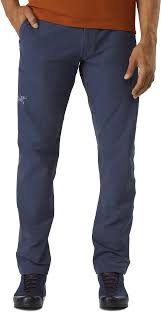
Trekking pants
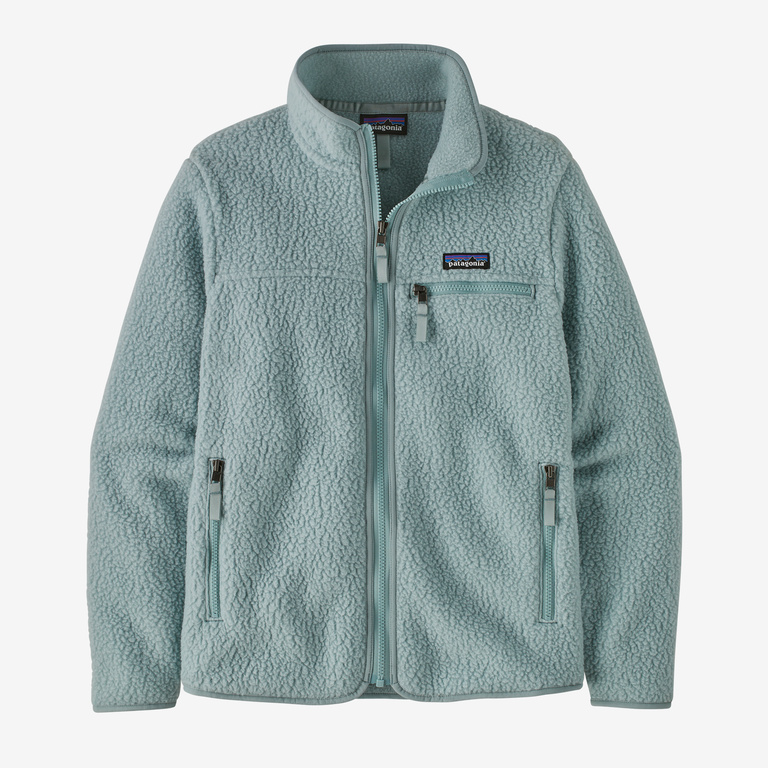
Fleece jacket
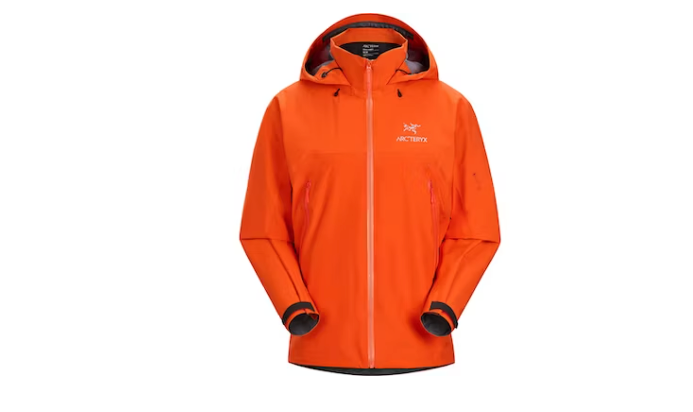
Waterproof gear (pants and jacket)
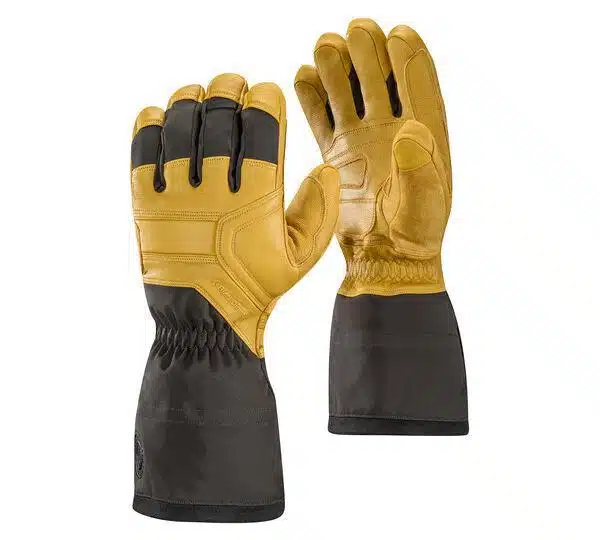
Waterproof gloves
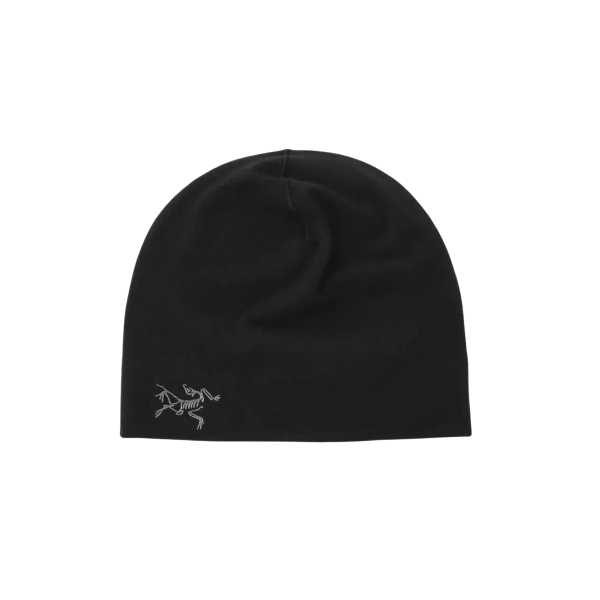
Warm hat
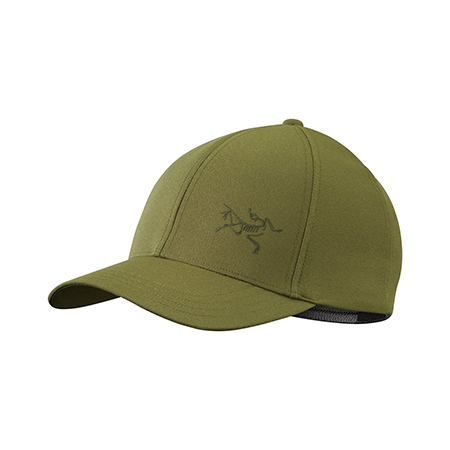
Sun hat
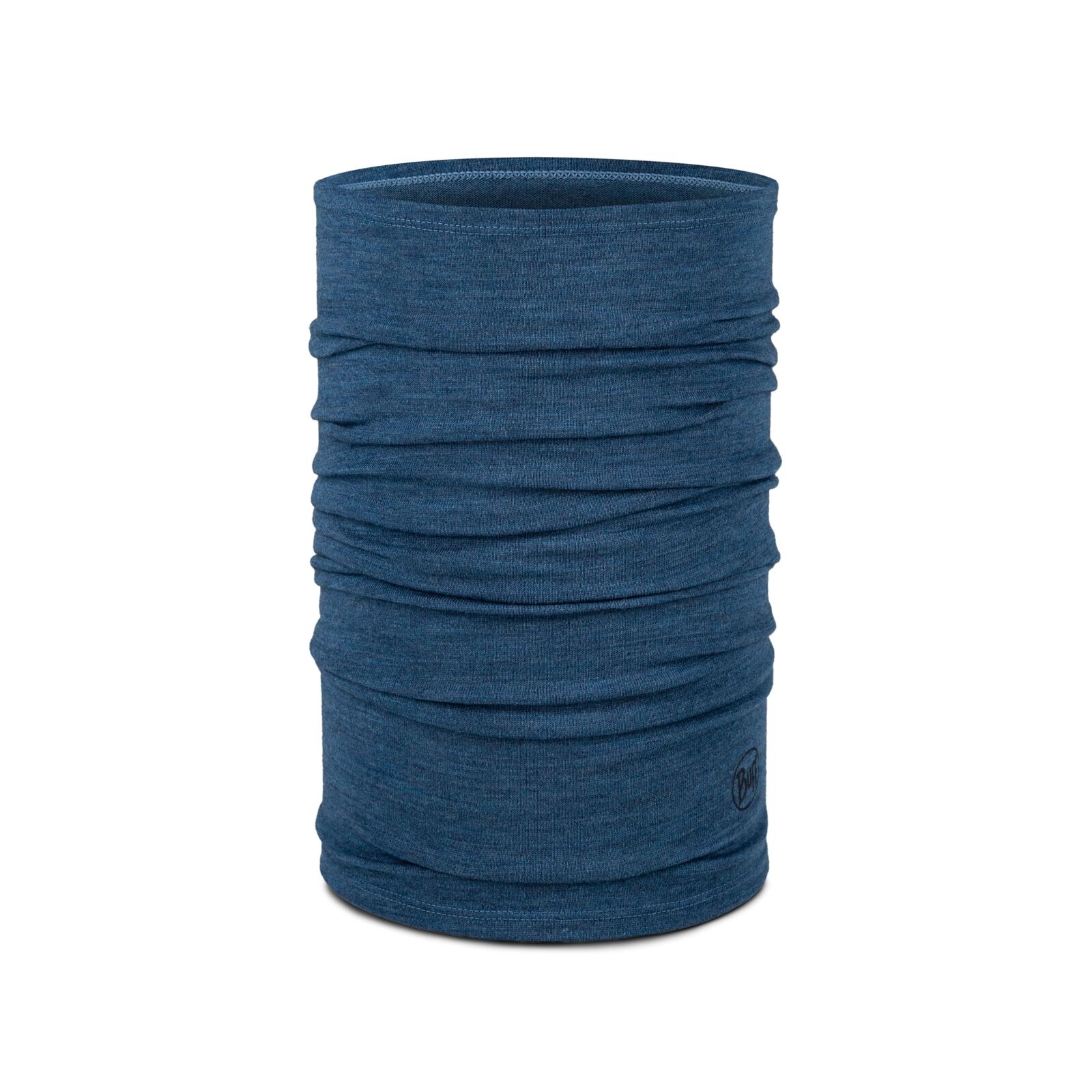
Buff
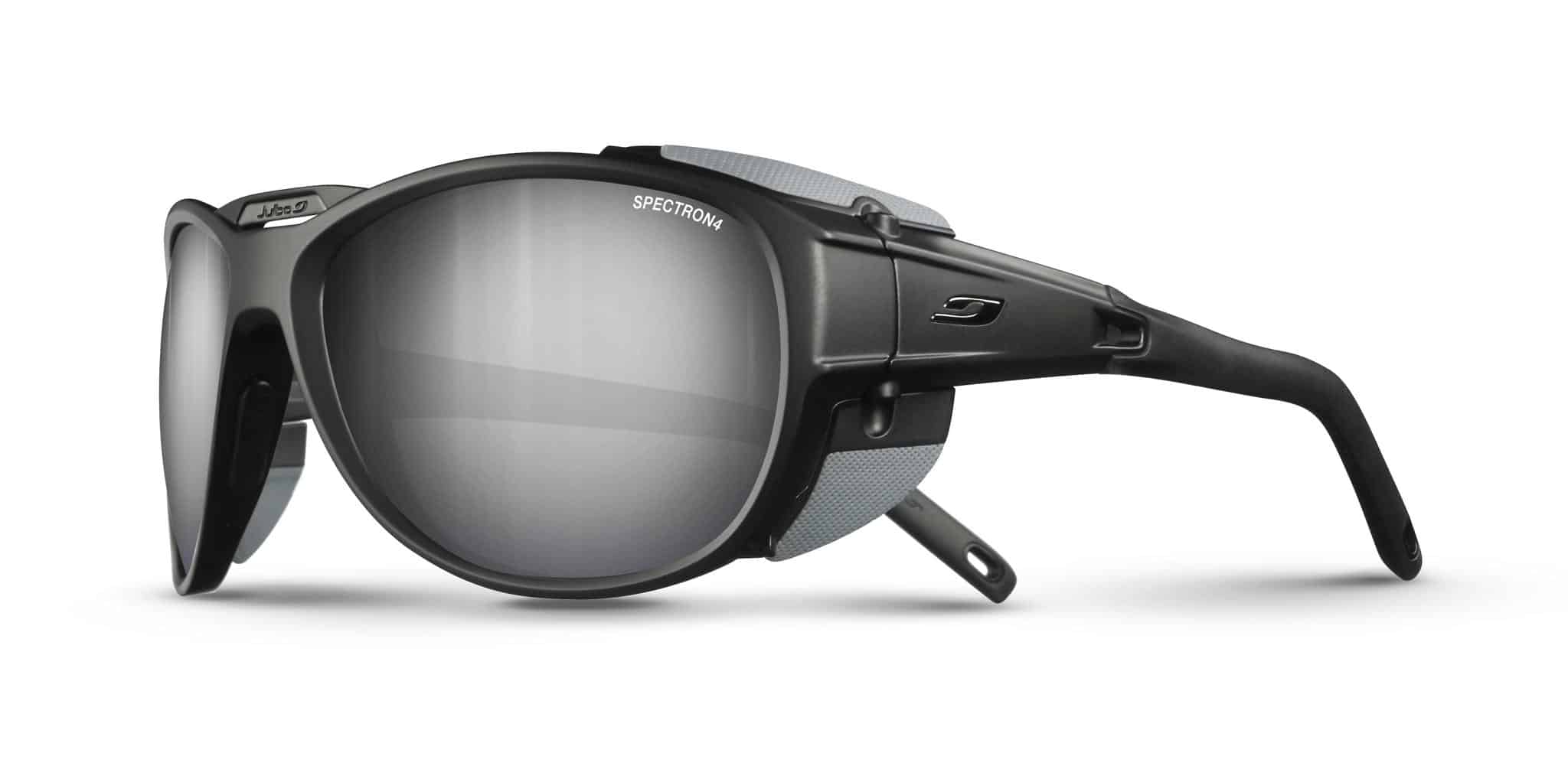
Sunglasses with UV protection
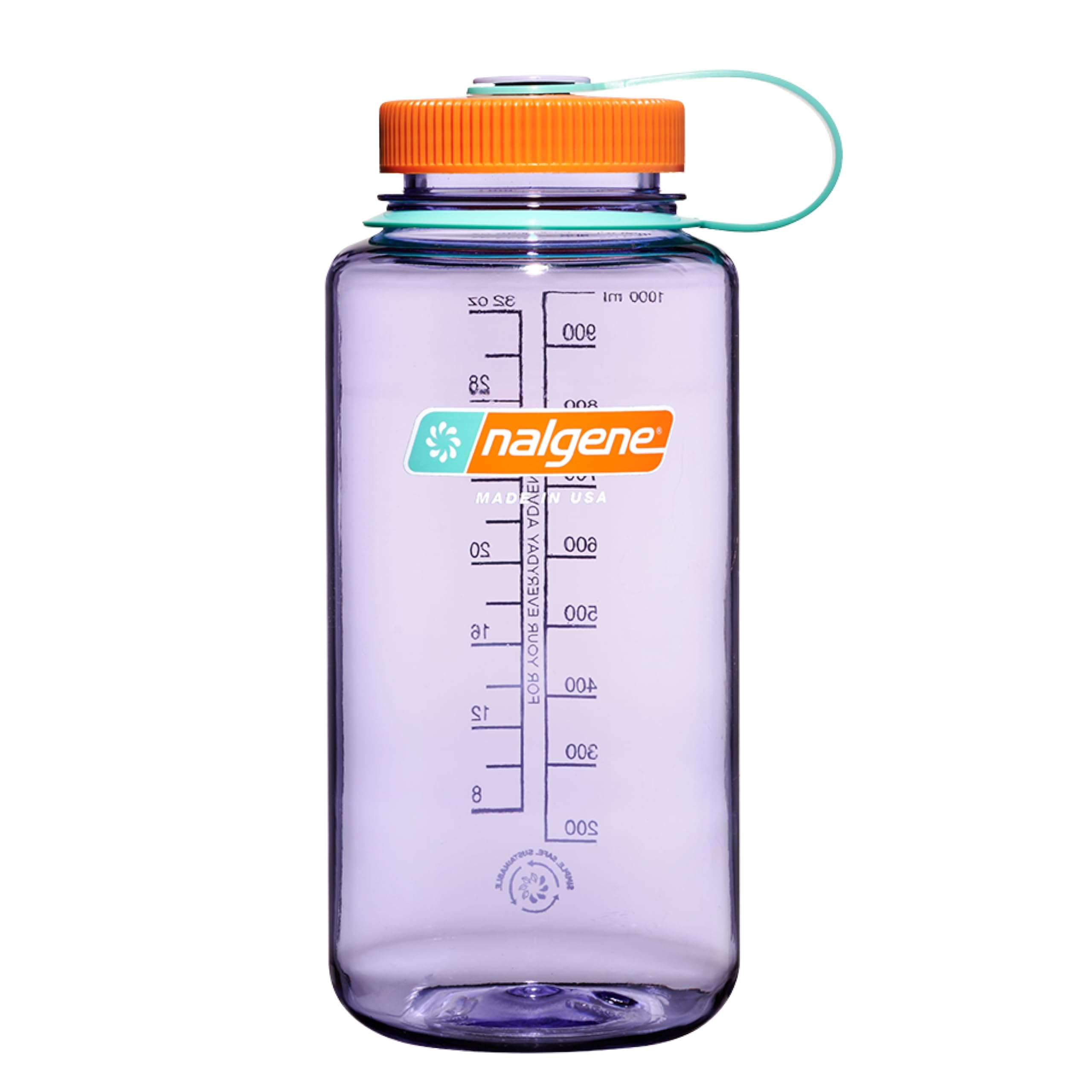
Nalgene bottle
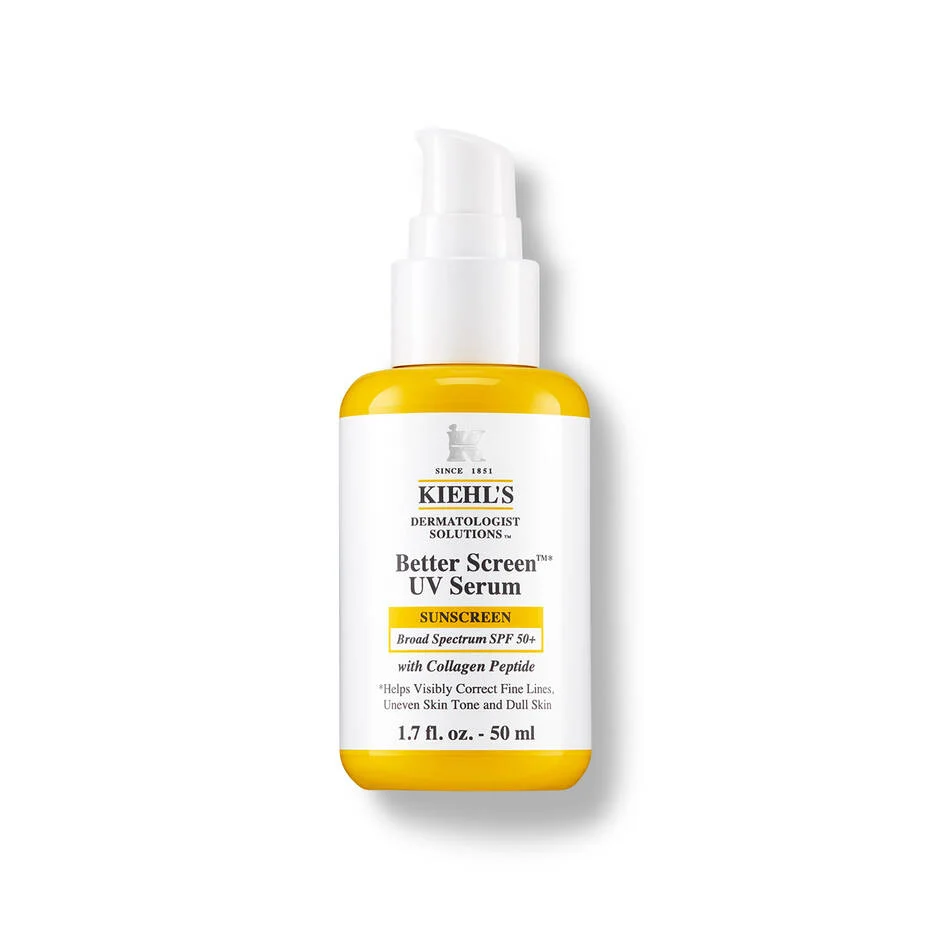
Sunscreen
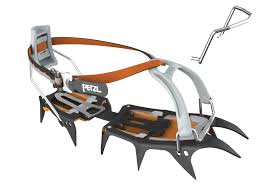
Crampons or micro spikes
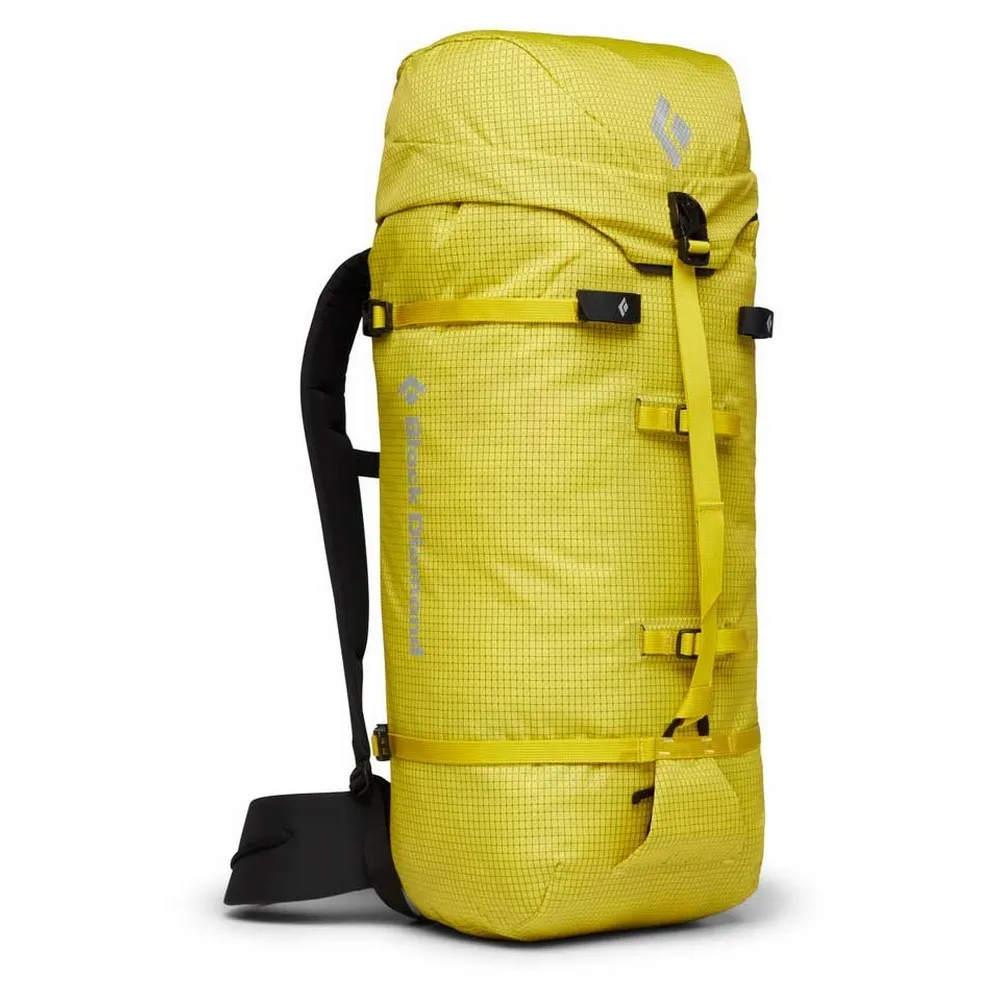
Backpack (25-35 liters)
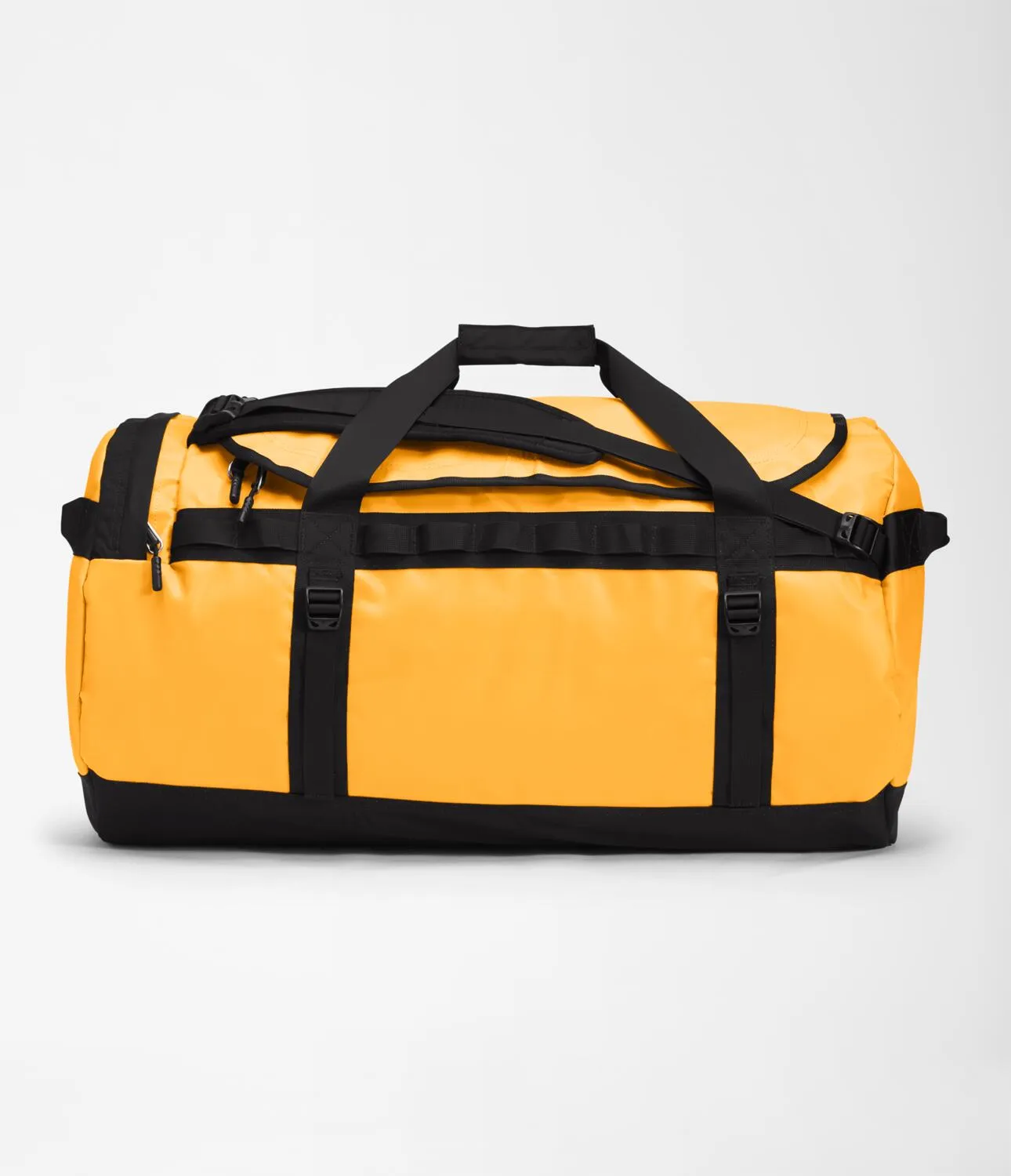
Duffle bag (for the porter to carry your belongings, size L)
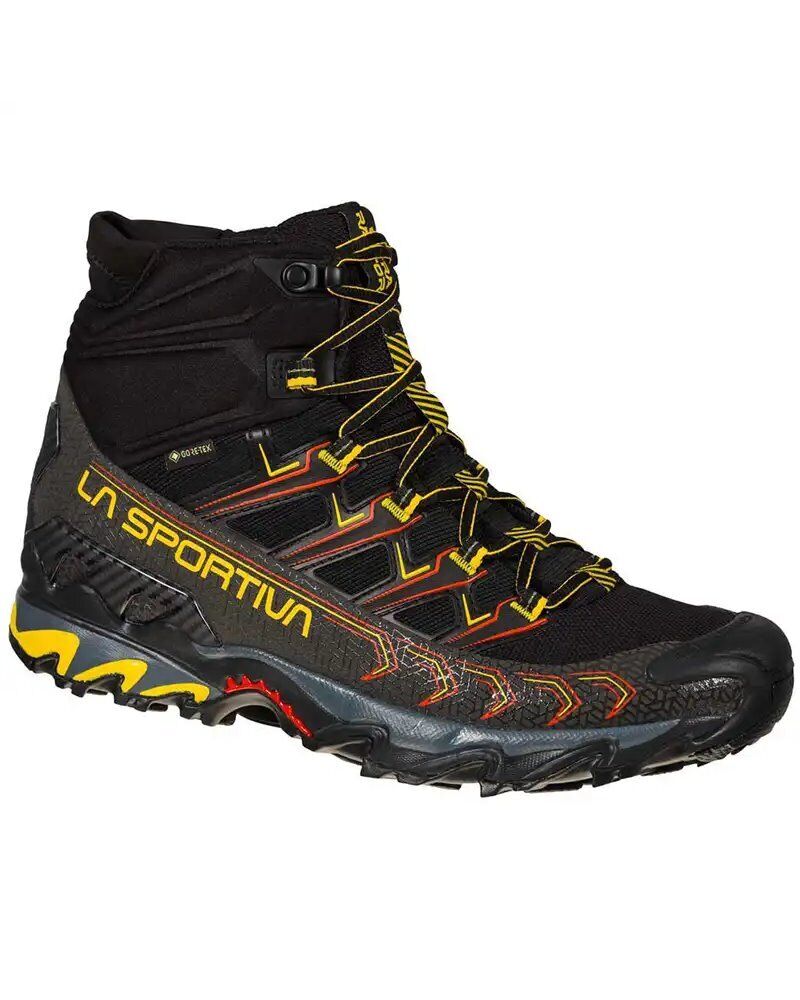
Trekking boots
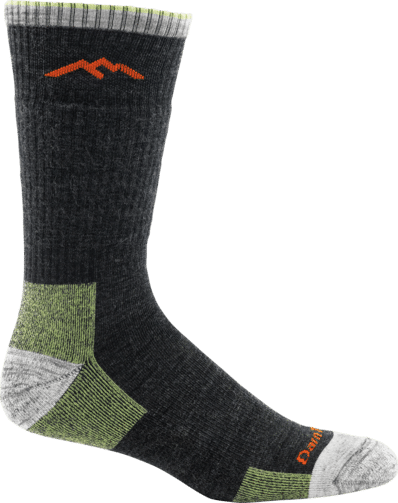
Thin trekking socks
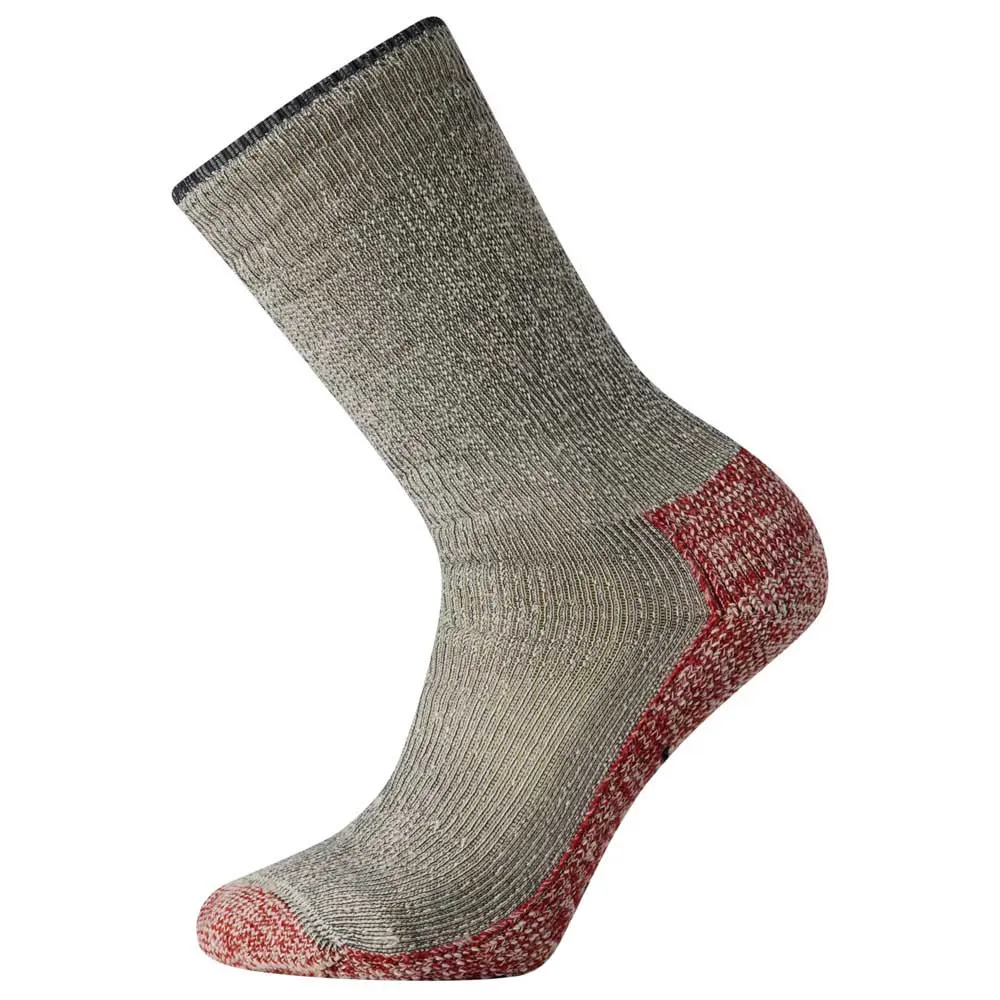
Thick trekking socks
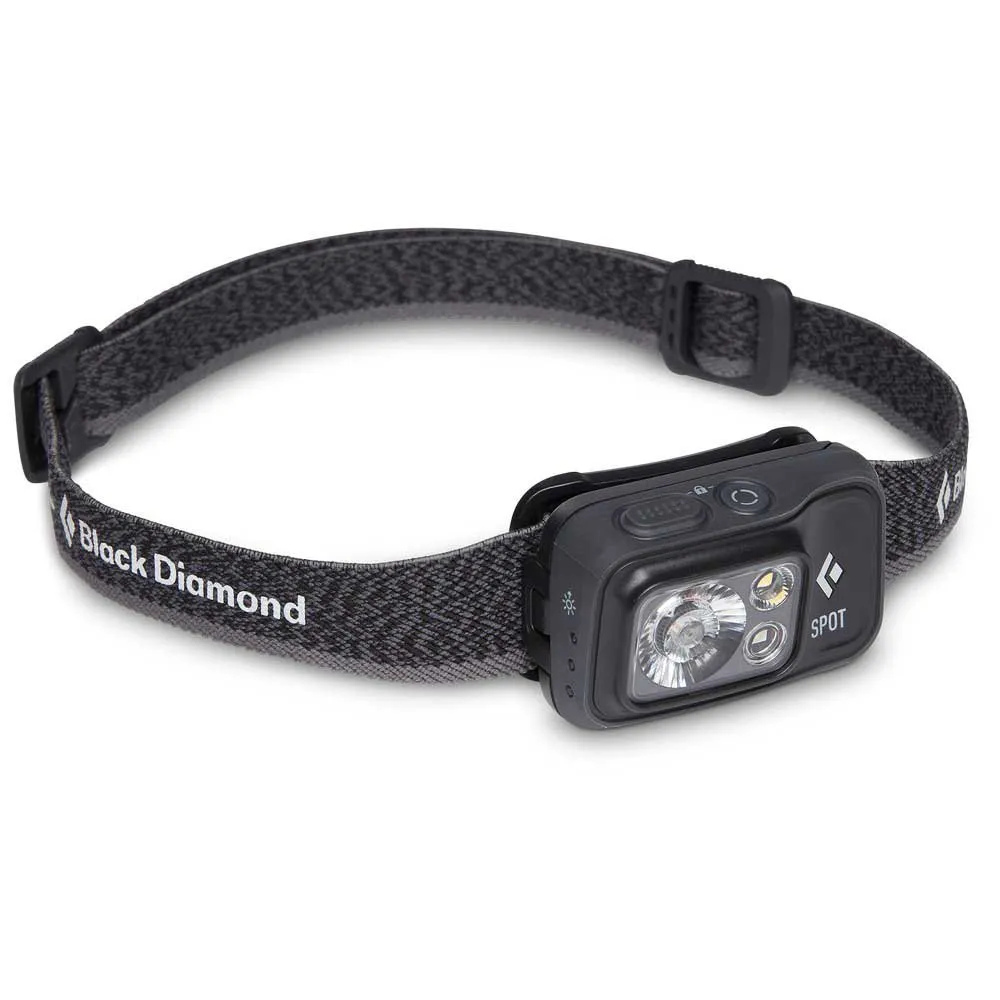
Headlamp
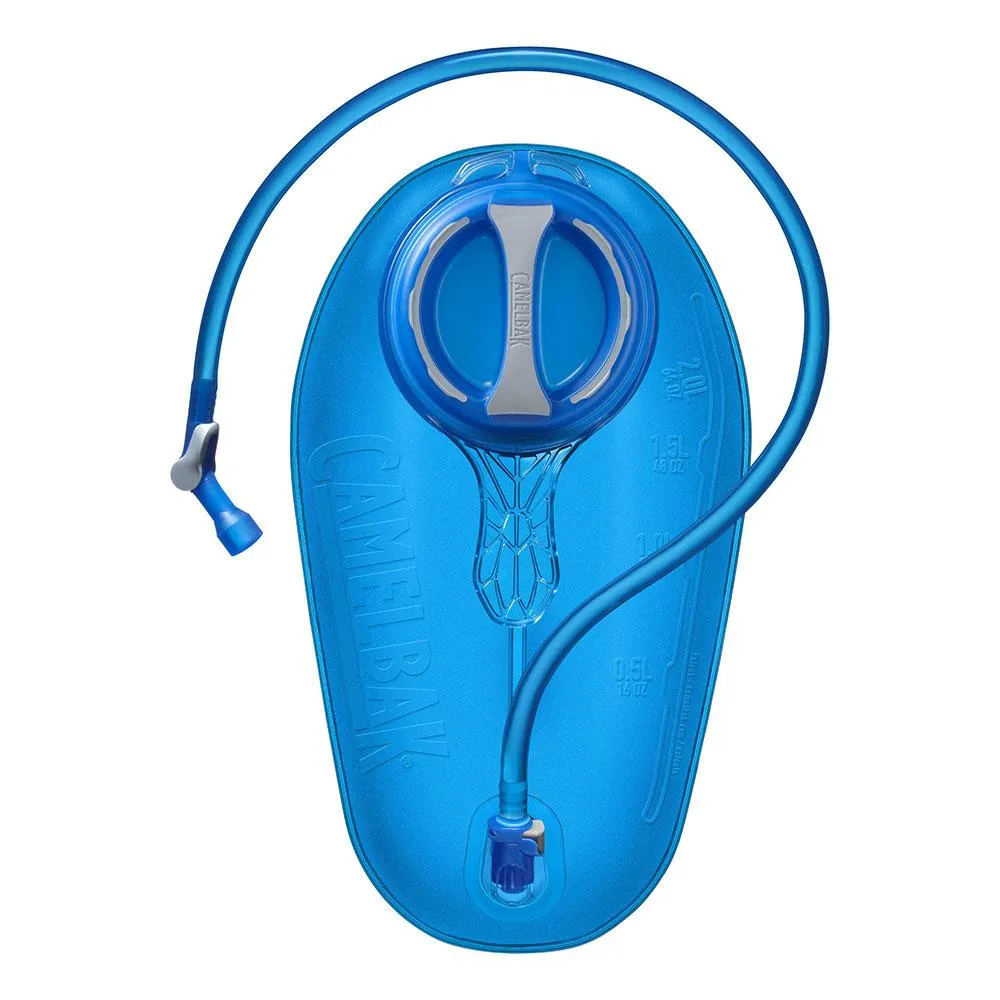
Camelback (optional)
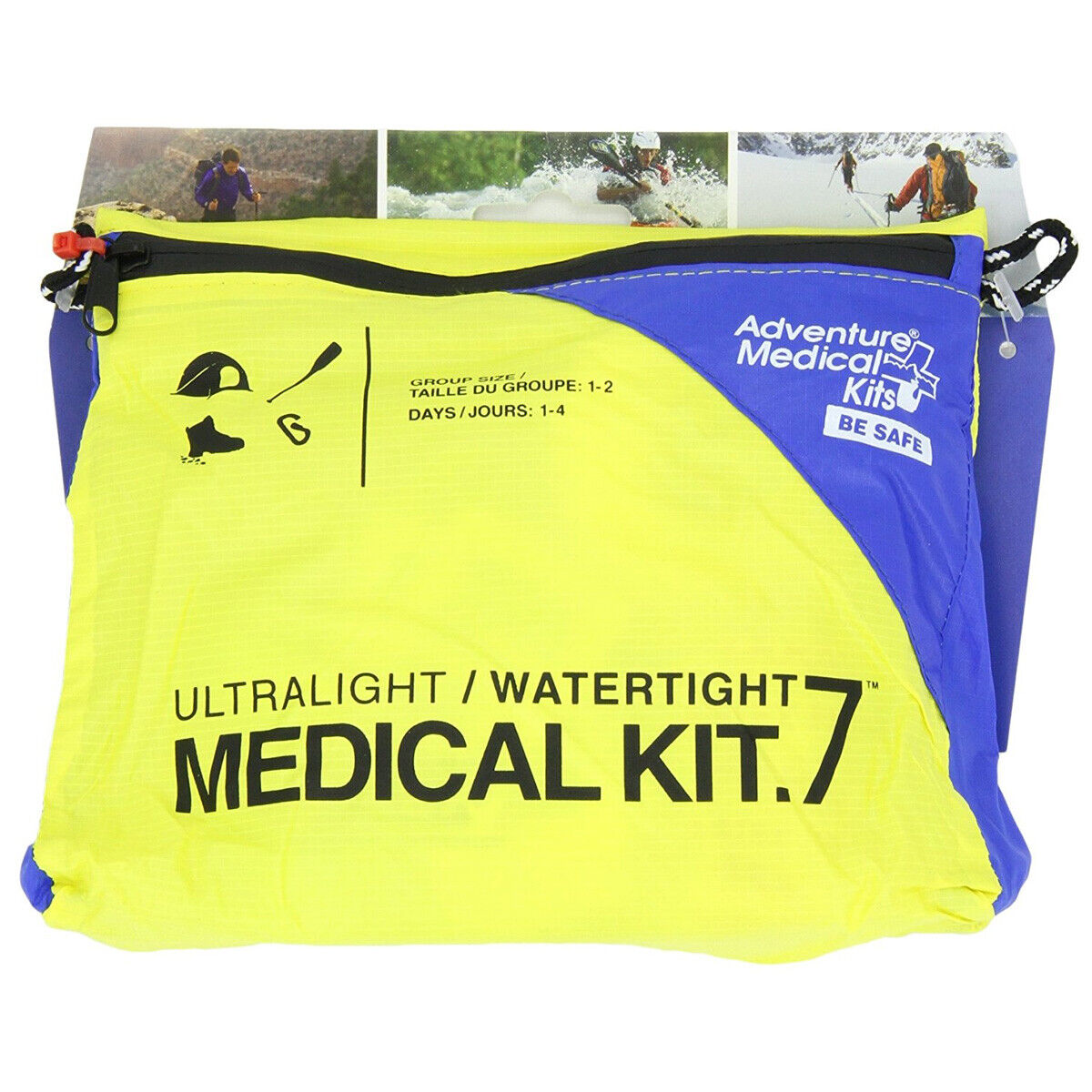
Basic first-aid kit with essential medications
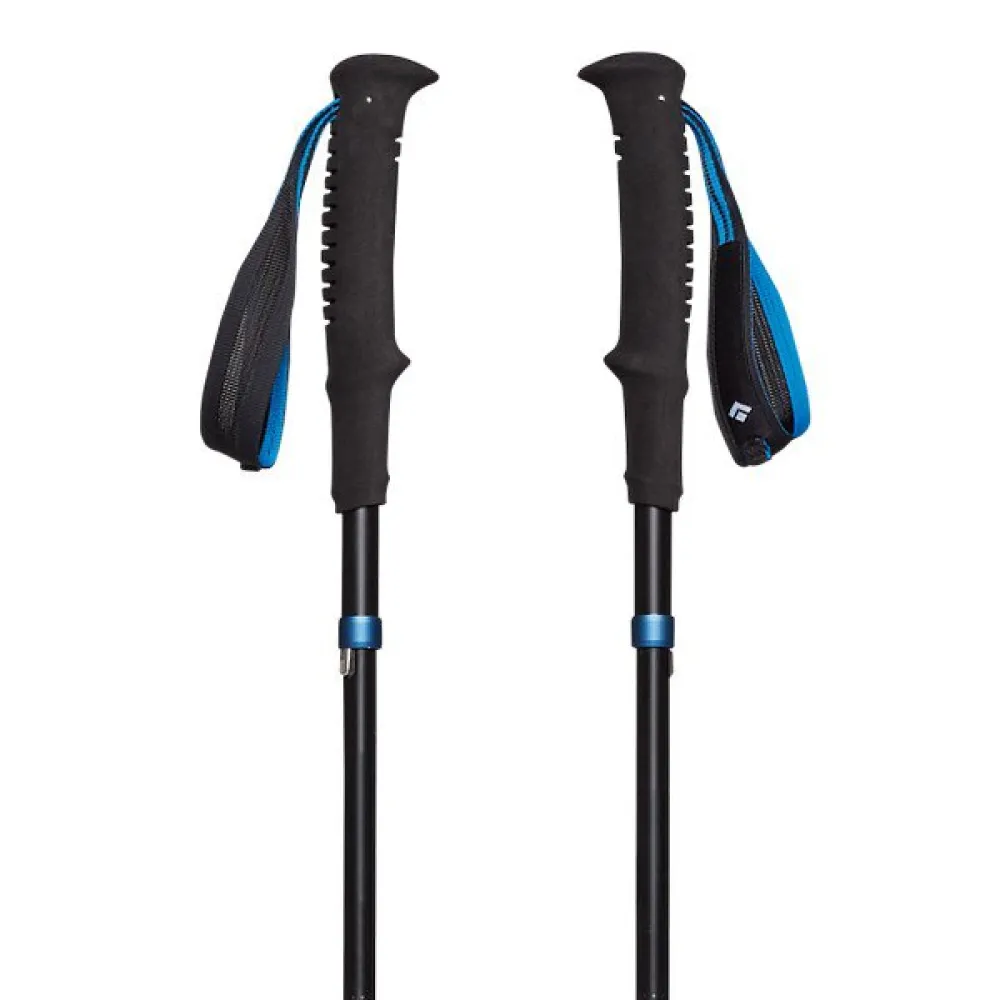
Trekking poles
Sleeping bag
-20°C
Flip-flops (for showers)
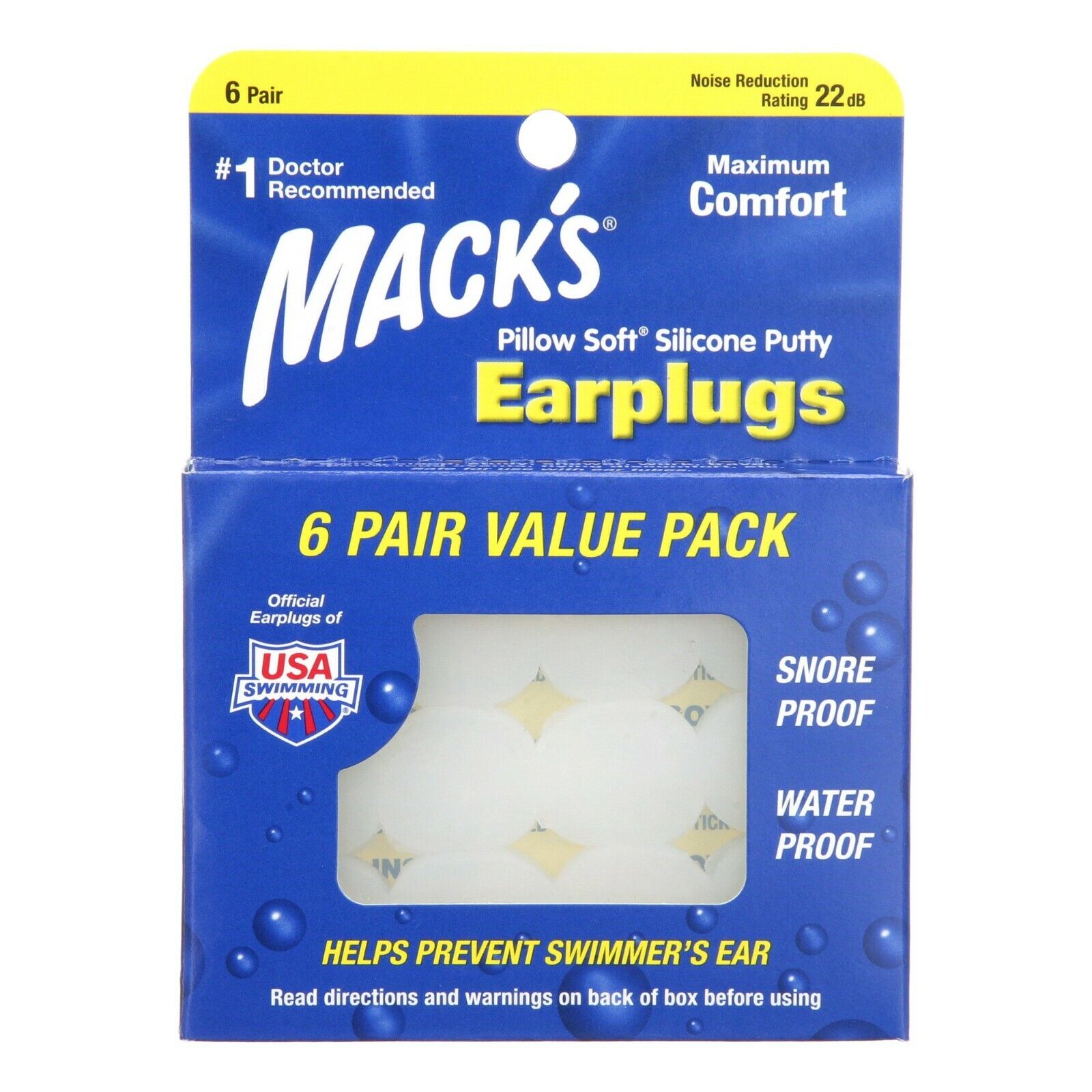
Earplugs

Wet wipes
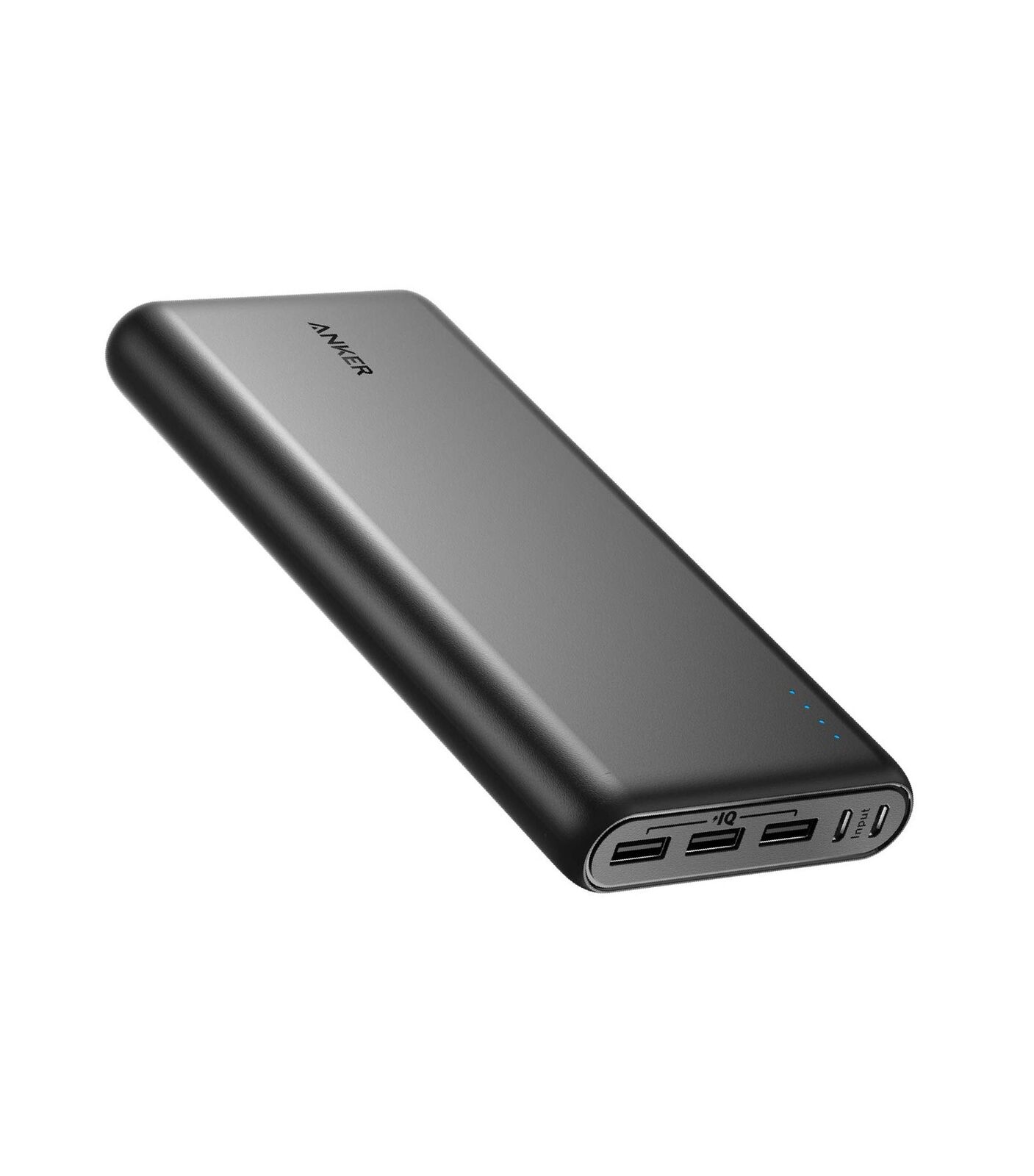
Extra battery (optional)
Additional equipment required:
FAQ
It is a moderate. difficulty expedition. While the daily hines are not technically hard, the challenge lies is spending 2 weeks at altitude and reaching 5000 meters with can make some days more demanding.
You will walk 7 to 15 kilometers per day on easy terrain.
Annapurna Circuit is an expedition that does not require previous mountain experience.
Anyone in good phyisical condition can do the trek, as the terrain is not technical, and with proper acclimatization, is not difficult.
However, we recommend doing some good cardiovascular training for at least three months beforehand to enjoy the trip more and with less effort.
We recommend focusing on stair climbing or walking on a treadmill at slow pace with maximum incline (around 2.5 km/h).
Complement this with core and strength training to build overall endurance.
During the three months prior to the trip, try to train about fives times per week. Once a week include a longer hike of around 6 hours to simulase the trekking days.
The better prepared you are, the more you will enjoy the journey.
The best months to trek are March to May and October to November, when the weather conditions are generally the most stable and pleasant.
Yes. You can obtain your Nepal visa on arrival at the Kathmandu airport by paying USD 50.
If your flight itinerary includes a layover in the United States, you’ll also need to arrange a U.S. transit visa before traveling.
In Kathmandu, we include 4 nights in a 5-star hotel (Aloft or similar). During the trek, we stay each night in mountain lodges. These are charming and cozy but rustic, offering a true Himalayan experience.
Some lodges have private rooms with en-suite bathrooms, while others have shared bathrooms located outside the rooms.
Rooms are shared with another participant from the group.
We carefully select all members of our guiding team.
Groups of fewer than 10 people are guided by our experienced local staff, while larger expeditions (10 or more participants) are also accompanied by a Spanish-speaking team leader, such as Vanessa Estol or another member of our international team who travels from Latin America.
From the start of the trek, you’ll enjoy three abundant meals per day, all included.
For each meal, you can choose one item from an extensive menu — portions are generous and satisfying. If you’d like to order additional dishes, that’s possible at an extra cost.
Lunch is usually served at one of the local tea houses along the route. The meals are prepared with fresh, organic ingredients from nearby villages, rich in carbohydrates to keep your energy levels high during the trek.
You’ll also have 2 liters of drinking water provided per day.
The key is to walk slowly, stay well hydrated (at least 3 liters of water per day), eat properly, and get enough rest to allow your body to acclimatize.
It’s also very important to follow your guides’ recommendations and avoid rushing or pushing the pace — slow and steady is the best approach at altitude.
There are no refunds for cancellations, or for being unable to complete the expedition due to weather conditions or circumstances beyond our control.
If you need to cancel, you may transfer your spot to another person who meets the necessary physical requirements to participate in the expedition.
Yes. The hotels we work with have secure storage areas, where you can leave any items you won’t need during the trek.
We recommend bringing antibiotics for possible stomach or throat infections, cold medicine, anti-diarrheal tablets, ibuprofen, and blister patches.
Additionally, for altitude-related issues, it’s useful to carry the classics such as acetazolamide, dexamethasone (injectable, with syringe), nifedipine, and an oximeter to monitor oxygen saturation levels.
Yes. We actually recommend buying your gear there. The best mountain brands have stores in Kathmandu, and prices are often much lower than in our home countries.
We also schedule a full day dedicated to shopping, during which our team will assist and advise you on what to get.
From Latin America, we usually fly with Emirates or Qatar Airways, with layovers in Barcelona and Dubai.
Yes. In most villages along the route, you’ll have the option to buy internet cards to stay connected with family and friends. On days with bad weather, the signal can be unstable, but most of the time there is Wi-Fi available.
Internet cards during the trek cost between 5 and 10 USD, depending on the village — the higher the altitude, the higher the cost.
We recommend bringing approximately:
- USD 50 for the visa
- USD 300 for tips (guides, porters, etc.)
- USD 200 for extras during the trek (coffee, drinks, desserts, internet, etc.)
- Extra for souvenirs and gifts
- Budget for an additional night in Kathmandu, in case of early return (the itinerary includes 4 hotel nights; if you return earlier, that extra night isn’t included)
💡 Bring new USD 100 bills — not torn, marked, or stamped. In Nepal, worn bills are often not accepted.
No, the itinerary is tentative, as this is an adventure trip to a remote mountain region, where exact conditions can’t always be guaranteed.
Due to unforeseen circumstances such as bad weather, avalanche risk, or other force majeure events, route modifications may occur for safety reasons.
A porter is included and will carry up to 15 kg (33 lbs) of your luggage. It’s important not to exceed this limit, as it’s also the maximum weight allowed on the domestic flight. This total weight should include your clothing, electronics, wet wipes, medicine, and personal items.
During the trek, clients carry a small daypack with only the essentials: water, a warm layer, rain jacket, and personal items needed for the day’s hike.
Included
- Airport-hotel-airport transfers
- 4 nights at a hotel in Kathmandu (Aloft or Marriott) with breakfast included
- One night at a hotel in Pokhara
- Accommodation in tea houses during the trek (local lodging)
- Farewell dinner
- Permits
- Internal flight from Pokhara to Kathmandu
- Porters (they will assist with your gear, carrying up to 15 kg during the trek)
- Meals during the trek (3 meals per day, including coffee and tea)
- Two liters of boiled water per day
- Local guides
- Spanish-speaking guide for groups of 9 or more participants
- Internal transportation by jeep
Not Included
- International flights
- Nepal visa (obtained upon arrival, $50 USD)
- Meals and dinners in Kathmandu
- Extra nights in Kathmandu not included in this itinerary
- Insurance (mandatory to purchase Global Rescue or World Nomads for potential evacuation)
- Personal expenses (internet, electronic device charging, showers, laundry, alcoholic beverages, sodas, personal gear, snacks)
- Tips (minimum suggested: $250 USD)
- Extra costs due to early abandonment of the expedition
- Costs arising from delays or events beyond our control (flight delays or cancellations, blocked roads, natural disasters, weather-related flight cancellations, etc.)
PAYMENT
Your spot is reserved with a $900 deposit. Send an email to 14peakslatam@gmail.com and you will receive a registration confirmation.
Payment is made via bank transfer (at the exchange rate-selling price of the day from Banamex).
*50% is due 4 months before the trip.
*The remaining 50% is paid in cash upon arrival in Nepal.
• Once the deposit is made, there are no changes or refunds.
• If you contract COVID before or during the expedition, or test positive on the PCR test required for travel, there are no refunds.
• If for any reason you cannot attend but wish to transfer your spot to another person (with the preparation this expedition requires), there is no problem.
• If, due to unforeseen circumstances beyond our control (weather, illness, natural disasters, etc.), the expedition cannot be completed, there will be no refund of money.
REQUERIMIENTO
The hours you dedicate to training will enhance your enjoyment of the trip and increase your chances of success. While this is not a difficult trek, we will be walking 6-7 hours per day, so you must be in good physical condition.
On the extra day in Kathmandu upon arrival, we will have the entire day for shopping. Kathmandu has stores with top brands of mountaineering clothing at excellent prices; we recommend purchasing your gear there.
It’s important to purchase evacuation and rescue insurance. We recommend GLOBAL RESCUE.
Gear list:
Trekking pants
Fleece jacket
Waterproof gear (pants and jacket)
Waterproof gloves
Warm hat
Sun hat
Buff
Sunglasses with UV protection
Nalgene bottle
Sunscreen
Crampons or micro spikes
Backpack (25-35 liters)
Duffle bag (for the porter to carry your belongings, size L)
Trekking boots
Thin trekking socks
Thick trekking socks
Headlamp
Camelback (optional)
Basic first-aid kit with essential medications
Trekking poles
Sleeping bag
-20°C
Flip-flops (for showers)
Earplugs
Wet wipes
Extra battery (optional)
Additional equipment required:
FAQ
It is a moderate. difficulty expedition. While the daily hines are not technically hard, the challenge lies is spending 2 weeks at altitude and reaching 5000 meters with can make some days more demanding.
You will walk 7 to 15 kilometers per day on easy terrain.
Annapurna Circuit is an expedition that does not require previous mountain experience.
Anyone in good phyisical condition can do the trek, as the terrain is not technical, and with proper acclimatization, is not difficult.
However, we recommend doing some good cardiovascular training for at least three months beforehand to enjoy the trip more and with less effort.
We recommend focusing on stair climbing or walking on a treadmill at slow pace with maximum incline (around 2.5 km/h).
Complement this with core and strength training to build overall endurance.
During the three months prior to the trip, try to train about fives times per week. Once a week include a longer hike of around 6 hours to simulase the trekking days.
The better prepared you are, the more you will enjoy the journey.
The best months to trek are March to May and October to November, when the weather conditions are generally the most stable and pleasant.
Yes. You can obtain your Nepal visa on arrival at the Kathmandu airport by paying USD 50.
If your flight itinerary includes a layover in the United States, you’ll also need to arrange a U.S. transit visa before traveling.
In Kathmandu, we include 4 nights in a 5-star hotel (Aloft or similar). During the trek, we stay each night in mountain lodges. These are charming and cozy but rustic, offering a true Himalayan experience.
Some lodges have private rooms with en-suite bathrooms, while others have shared bathrooms located outside the rooms.
Rooms are shared with another participant from the group.
We carefully select all members of our guiding team.
Groups of fewer than 10 people are guided by our experienced local staff, while larger expeditions (10 or more participants) are also accompanied by a Spanish-speaking team leader, such as Vanessa Estol or another member of our international team who travels from Latin America.
From the start of the trek, you’ll enjoy three abundant meals per day, all included.
For each meal, you can choose one item from an extensive menu — portions are generous and satisfying. If you’d like to order additional dishes, that’s possible at an extra cost.
Lunch is usually served at one of the local tea houses along the route. The meals are prepared with fresh, organic ingredients from nearby villages, rich in carbohydrates to keep your energy levels high during the trek.
You’ll also have 2 liters of drinking water provided per day.
The key is to walk slowly, stay well hydrated (at least 3 liters of water per day), eat properly, and get enough rest to allow your body to acclimatize.
It’s also very important to follow your guides’ recommendations and avoid rushing or pushing the pace — slow and steady is the best approach at altitude.
There are no refunds for cancellations, or for being unable to complete the expedition due to weather conditions or circumstances beyond our control.
If you need to cancel, you may transfer your spot to another person who meets the necessary physical requirements to participate in the expedition.
Yes. The hotels we work with have secure storage areas, where you can leave any items you won’t need during the trek.
We recommend bringing antibiotics for possible stomach or throat infections, cold medicine, anti-diarrheal tablets, ibuprofen, and blister patches.
Additionally, for altitude-related issues, it’s useful to carry the classics such as acetazolamide, dexamethasone (injectable, with syringe), nifedipine, and an oximeter to monitor oxygen saturation levels.
Yes. We actually recommend buying your gear there. The best mountain brands have stores in Kathmandu, and prices are often much lower than in our home countries.
We also schedule a full day dedicated to shopping, during which our team will assist and advise you on what to get.
From Latin America, we usually fly with Emirates or Qatar Airways, with layovers in Barcelona and Dubai.
Yes. In most villages along the route, you’ll have the option to buy internet cards to stay connected with family and friends. On days with bad weather, the signal can be unstable, but most of the time there is Wi-Fi available.
Internet cards during the trek cost between 5 and 10 USD, depending on the village — the higher the altitude, the higher the cost.
We recommend bringing approximately:
- USD 50 for the visa
- USD 300 for tips (guides, porters, etc.)
- USD 200 for extras during the trek (coffee, drinks, desserts, internet, etc.)
- Extra for souvenirs and gifts
- Budget for an additional night in Kathmandu, in case of early return (the itinerary includes 4 hotel nights; if you return earlier, that extra night isn’t included)
💡 Bring new USD 100 bills — not torn, marked, or stamped. In Nepal, worn bills are often not accepted.
No, the itinerary is tentative, as this is an adventure trip to a remote mountain region, where exact conditions can’t always be guaranteed.
Due to unforeseen circumstances such as bad weather, avalanche risk, or other force majeure events, route modifications may occur for safety reasons.
A porter is included and will carry up to 15 kg (33 lbs) of your luggage. It’s important not to exceed this limit, as it’s also the maximum weight allowed on the domestic flight. This total weight should include your clothing, electronics, wet wipes, medicine, and personal items.
During the trek, clients carry a small daypack with only the essentials: water, a warm layer, rain jacket, and personal items needed for the day’s hike.
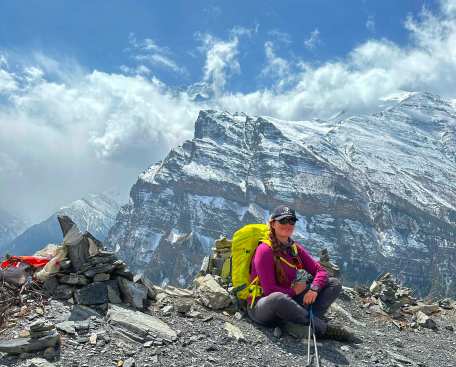
Itinerary
Day 1 - November 7
Arrival in Kathmandu and transfer to the hotel
Day 2 - November 8
Preparation and shopping day in Kathmandu
Day 3 - November 9
Transfer from Kathmandu to Besi Sahar by jeep (800 meters)
Day 4 - November 10
Transfer to Chame (2,610 meters)
Day 5 - November 11
Trek to Lower Pisang (3,250 meters)
Day 6 - November 12
Trek to Ngawal (3,660 meters)
Day 7 - November 13
Trek to Manang (3,540 meters)
Day 8 - November 14
Trek to Shree Kharka (4,050 meters)
Day 9 - November 15
Trek to Tilicho Base Camp (4,150 meters)
Day 10 - November 16
Trek to Tilicho Lake and return to Tilicho Base Camp (4,920 meters)
Day 11 - November 17
Trek to Yak Kharka (4,050 meters)
Day 12 - November 18
Trek to Thorong La Phedi (4,400 meters)
Day 13 - November 19
Trek to Thorong La Pass (5,416 meters)
Day 14 - November 20
Visit Muktinath and drive to Tatopani
Day 15 - November 21
Transfer from Tatopani to Pokhara
Day 16 - November 22
Afternoon flight to Kathmandu
Day 17 - November 23
Buffer day in Kathmandu
Day 18 - November 24
Return to Mexico or country of origin
Contact Us
We look forward to sharing a unique experience with you!
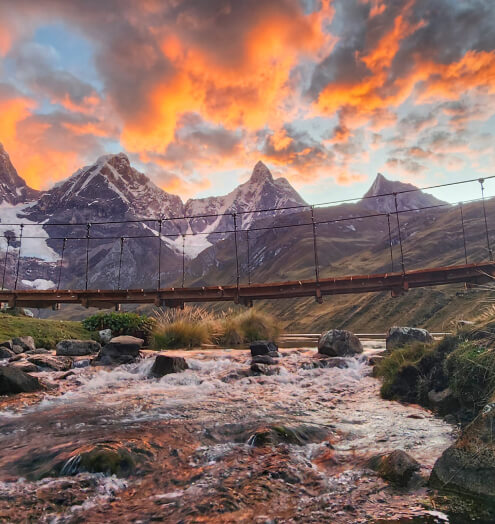
LOCATION: Mexico City
PHONE: +52 55 2755 9402
MAIL: 14peakslatam@gmail.com
Contáctanos
¡Te esperamos para vivir juntos una experiencia única!
LOCATION: Mexico City
PHONE: +52 5527559402
MAIL: 14peakslatam@gmail.com
