

Kilimanjaro 2026
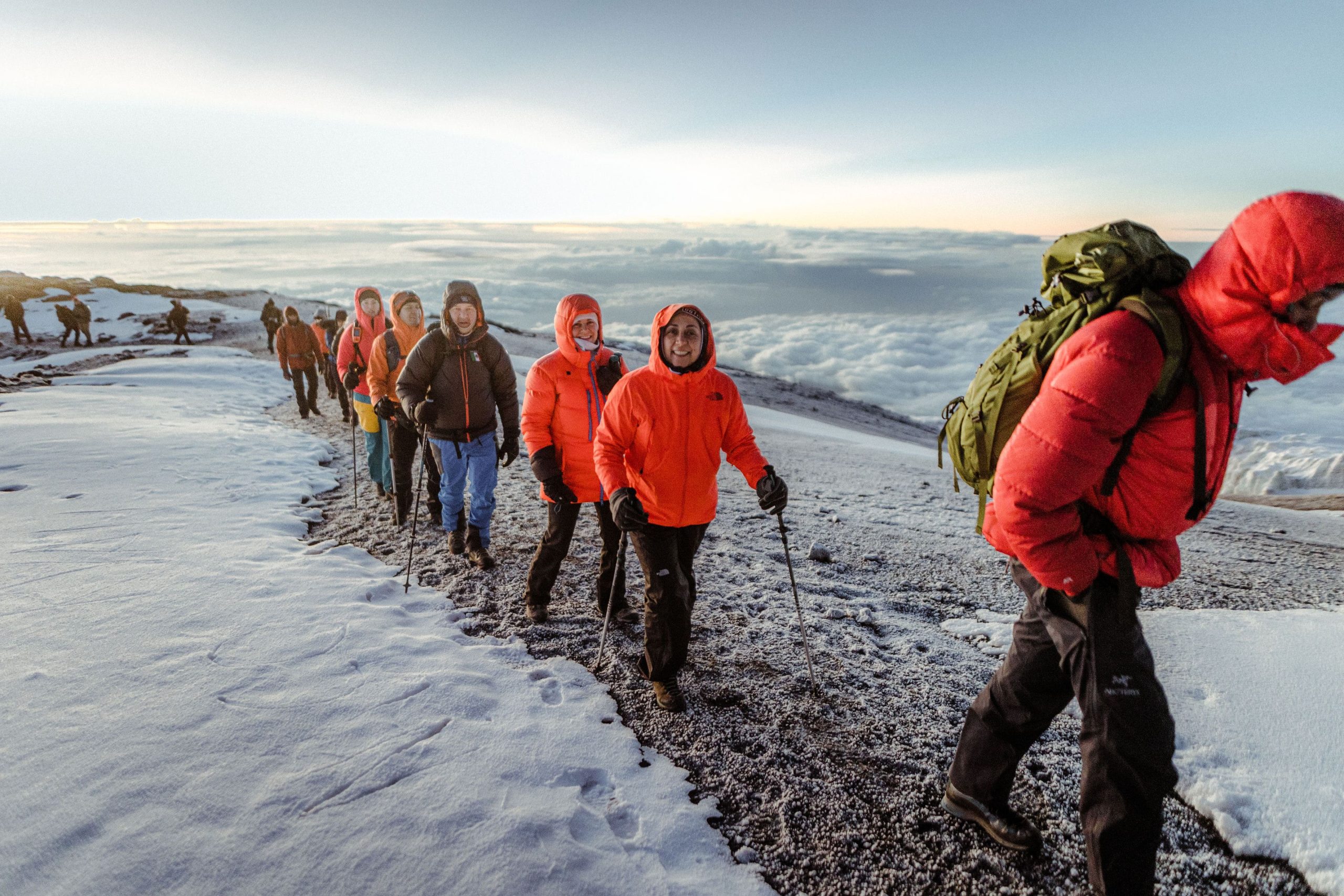
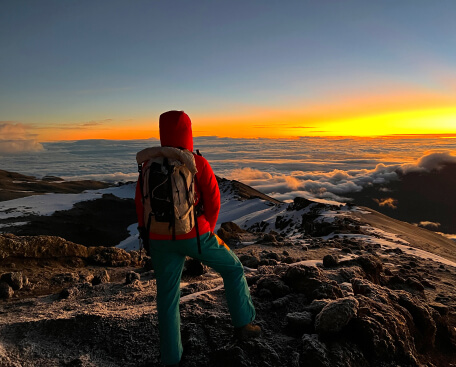
We’re off to Kilimanjaro — Africa’s highest peak and one of the legendary Seven Summits.
Standing proudly at 5,891 meters (19,327 feet) in northeastern Tanzania, near the Kenyan border, it’s a mountain that combines challenge, beauty, and culture in one incredible journey.
This is a non-technical climb, perfect for anyone who trains regularly. Still, we recommend having previous experience on a mountain above 4,500 meters (14,763 feet) to make the ascent more comfortable.
You can even extend your adventure with a three-day safari through Tanzania’s stunning national parks.
It’s a once-in-a-lifetime experience you’ll never forget.

TYPE: High-altitude trekking expedition

LOCATION: Tanzania

DURATION: 9 días

DATE: October 4 to 12, 2026

PHYSICAL DIFFICULTY: Moderate

TECHNICAL DIFFICULTY: Intermediate

COST PER PERSON: 3,850 USD
Included
- National Park Permits
- All meals on the mountain
- Guides and porters
- Spanish-speaking guide (for groups of more than 9 people)
- Transfer to the mountain and airport-hotel-airport
- 2 nights in a 3-star hotel (1 before and 1 after the mountain) in double occupancy
- Portable toilet
- Summit certificate
Not Included
- Vuelo internacional a Tanzania y visas
- Extra hotel nights not included in the itinerary.
- Personal climbing gear
- Single-room supplement in hotels
- Medical and evacuation insurance (mandatory)
- Tips for guides, porters, and staff (estimated at $300 per person)
- Alcoholic beverages, meals, and dinners in Arusha
- Additional expenses or rescue costs due to premature expedition withdrawal
- Expenses that may arise due to delays or events beyond our responsibility (flight delays, blocked roads, canceled flights)
RESERVATION
The reservation is made with $900. Send an email to 14peakslatam@gmail.com and you will receive the registration confirmation.
The payment is made via bank transfer (the exchange rate is calculated based on the Banamex dollar rate on the day of the sale).
- 50% is due 4 months before the trip.
- The remaining 50% is paid in cash upon arrival in Tanzania.
DATOS BANCARIOS
BANAMEX CLABE
0021 8070 0806 3487 99
Cristel Vanessa Estol Garay
Equipment list:
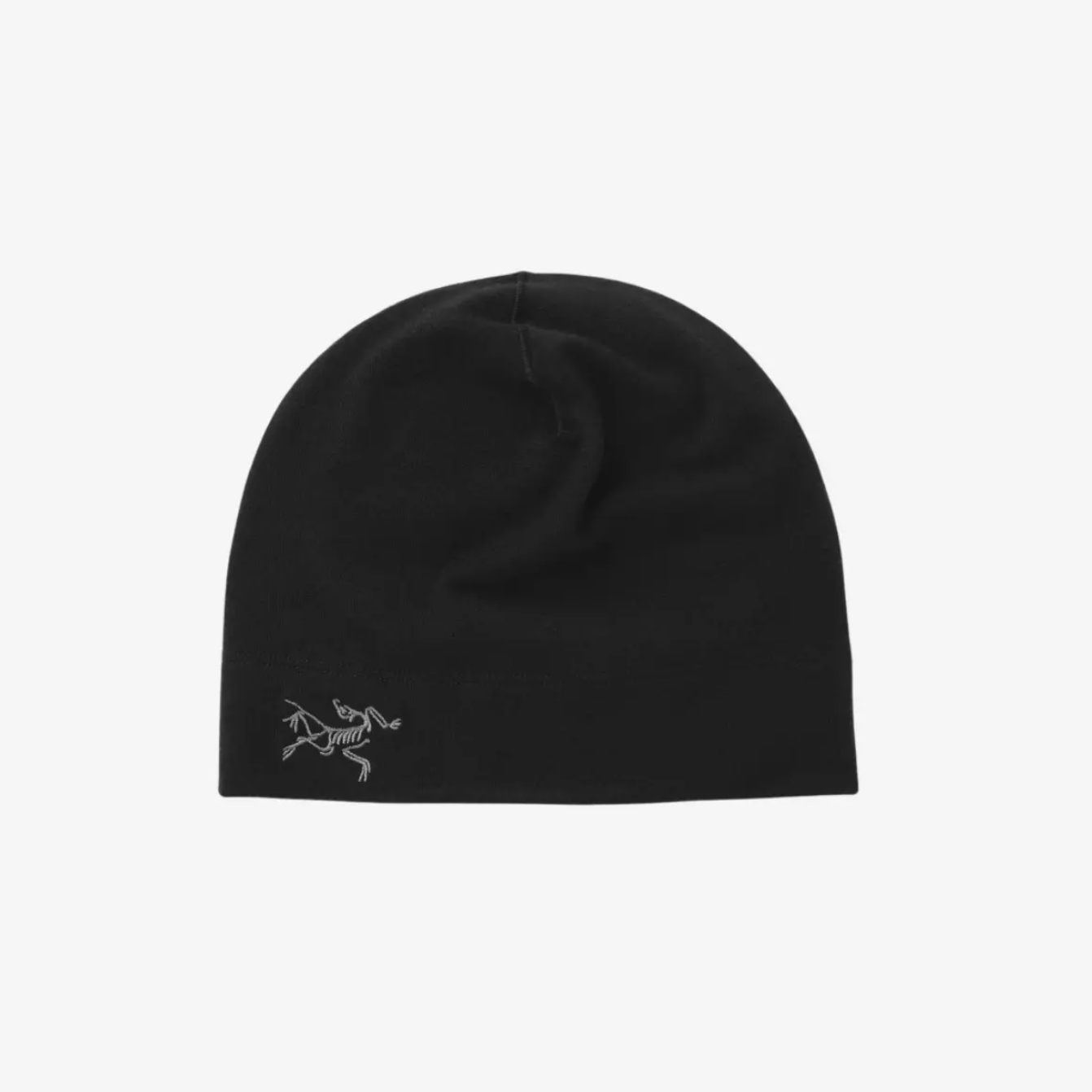
Wool hat
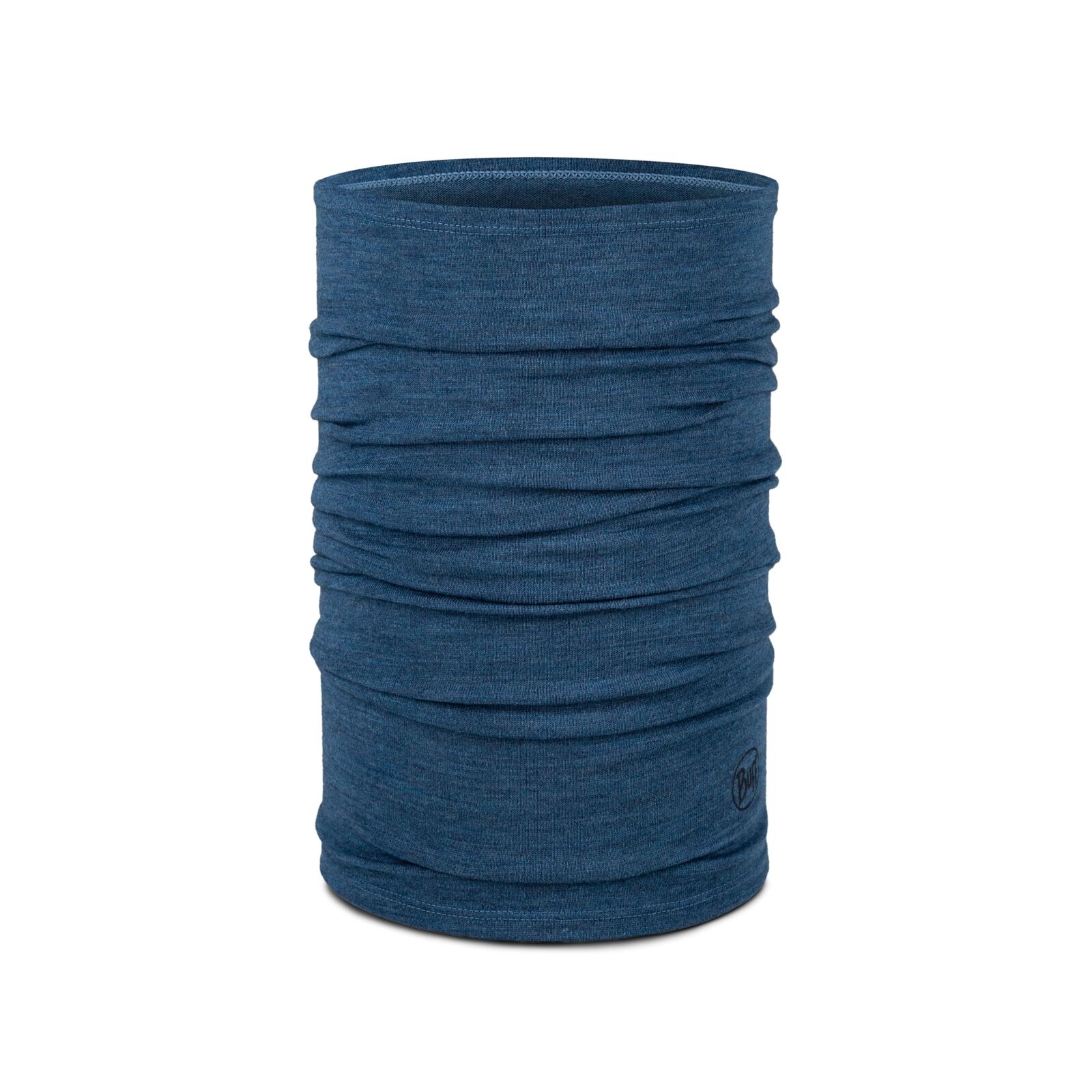
Buff (2)
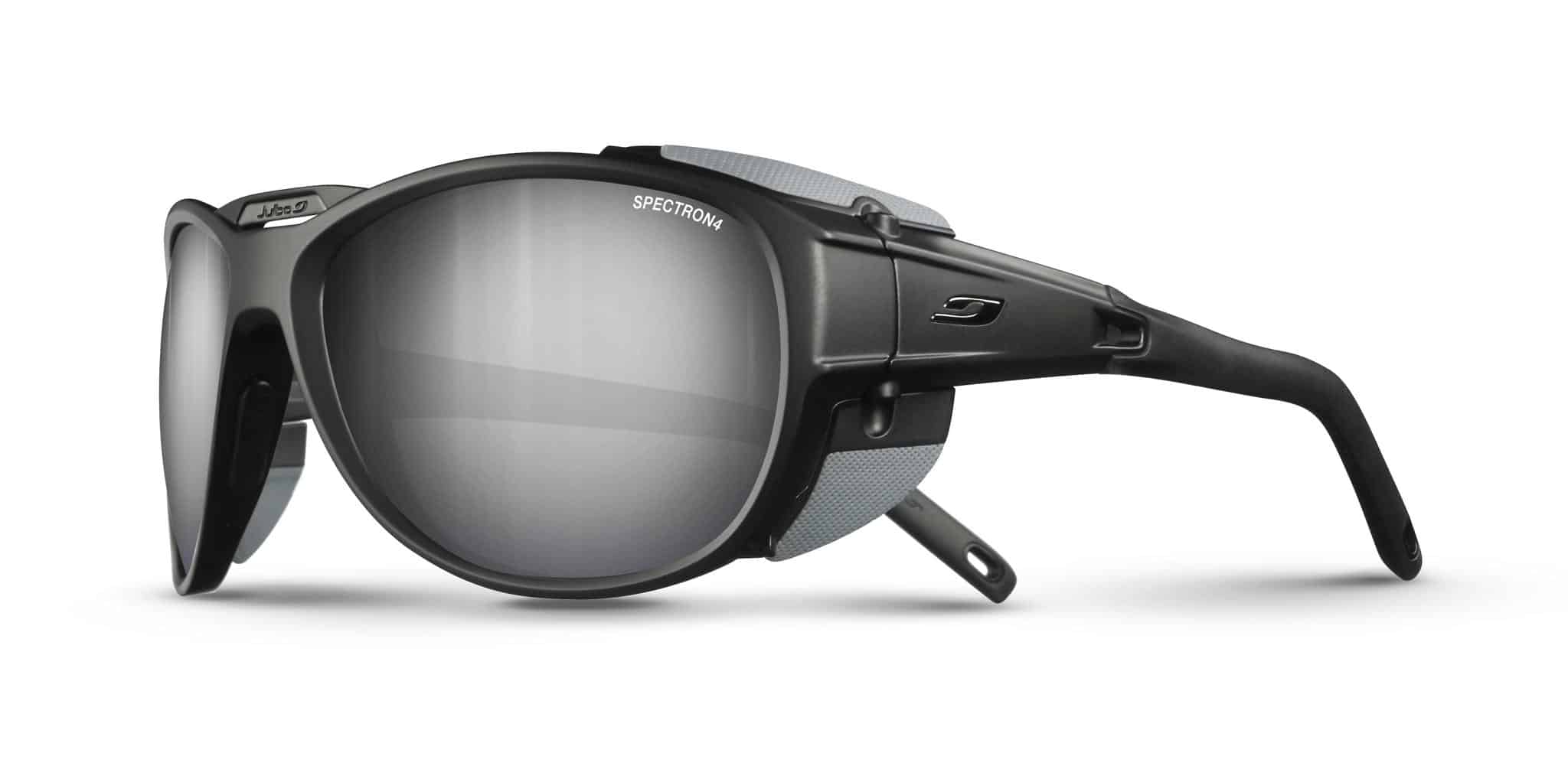
Sunglasses with UV filter
Cat 4
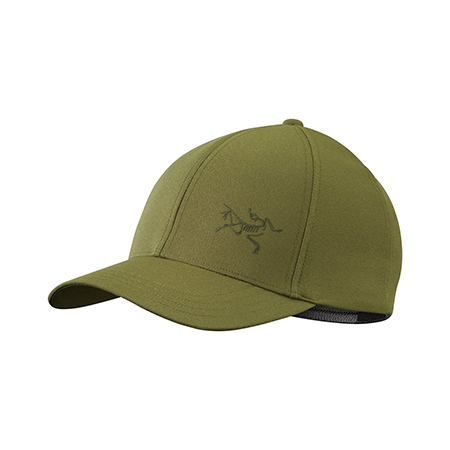
Hat
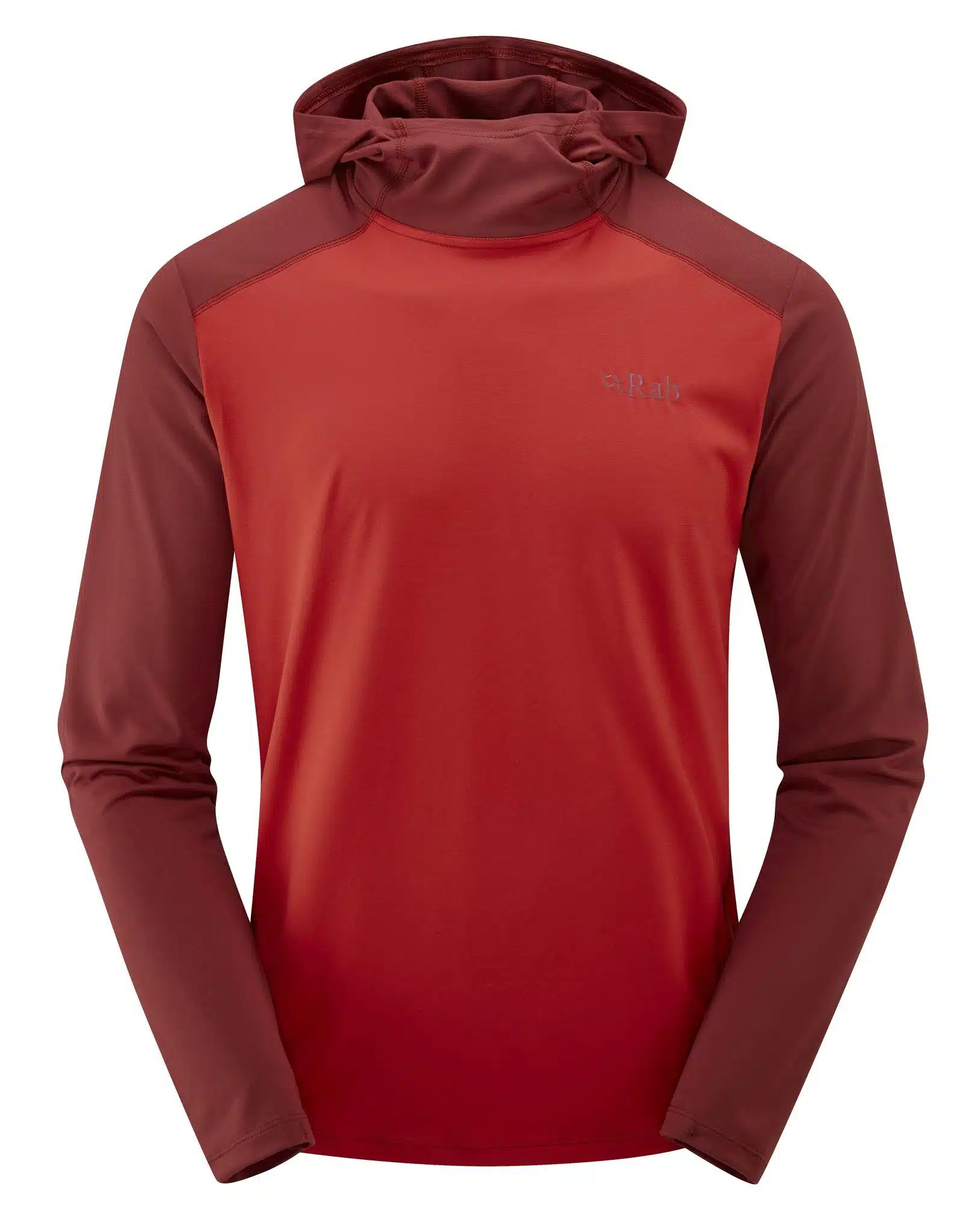
Long sleeve shirt: First layer top (2)
No cotton. One sun shirt and one thermal shirt.
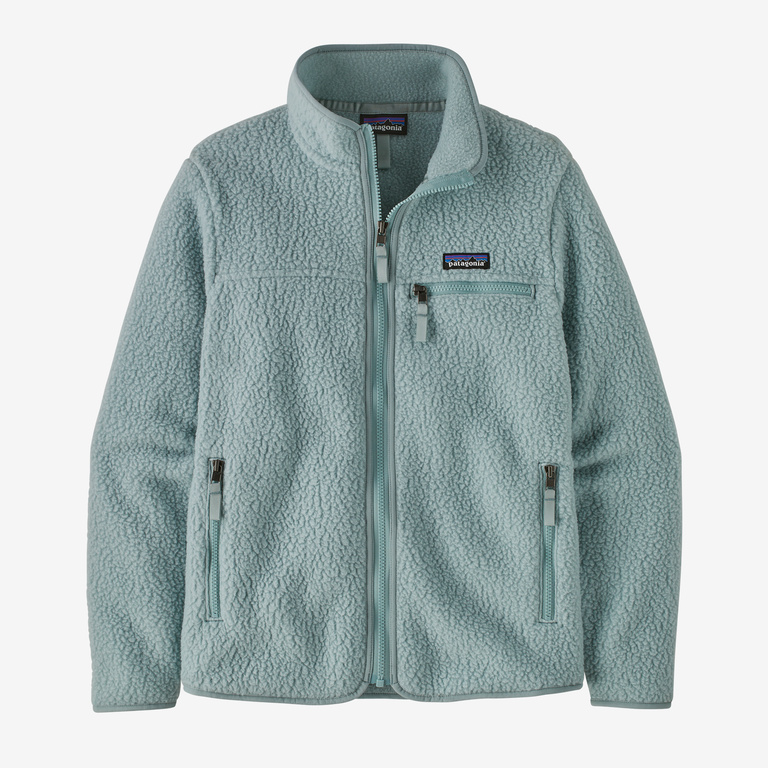
Fleece or polar fleece
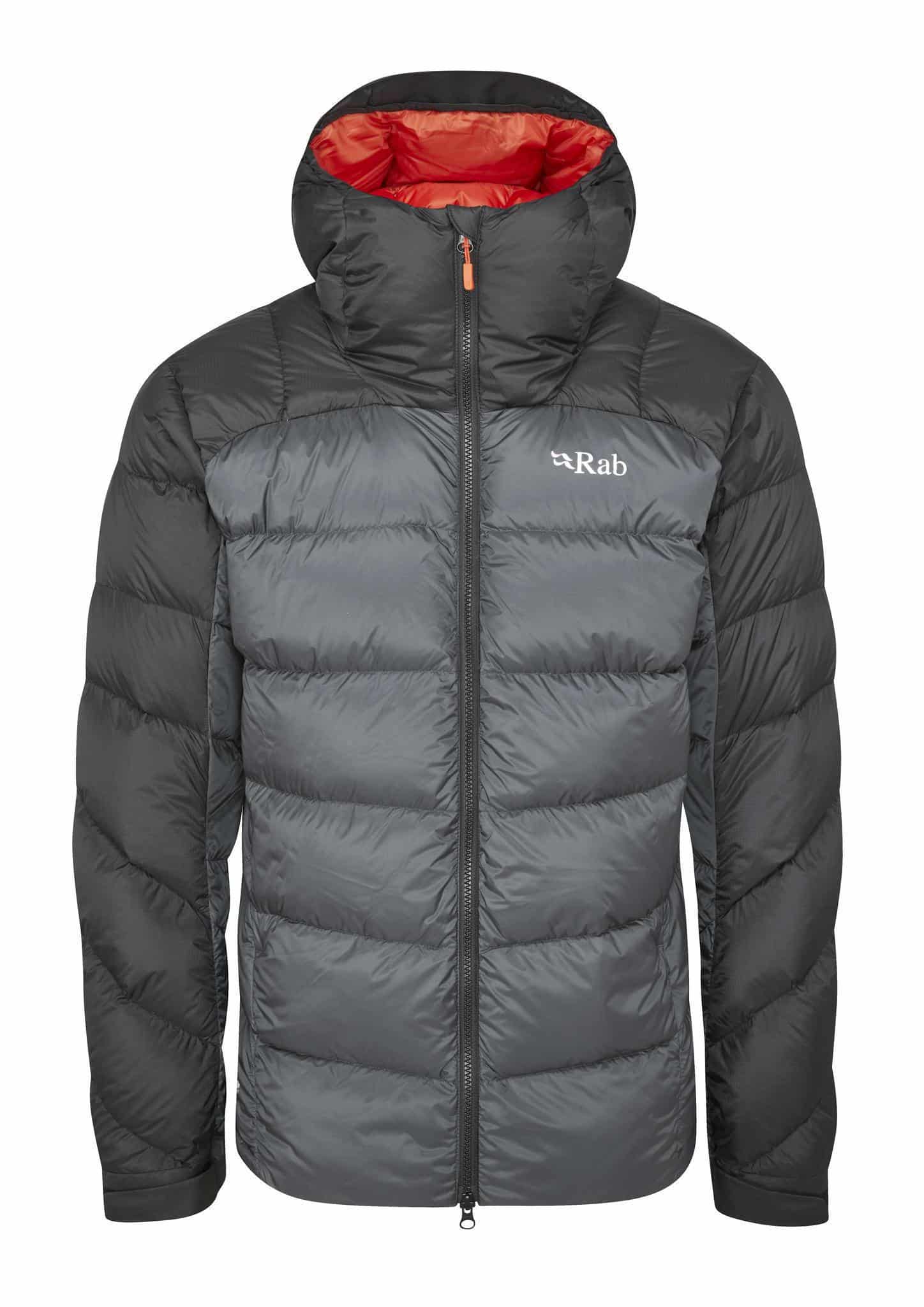
Down jacket
Warm enough for a temperature of -10°C on summit day.
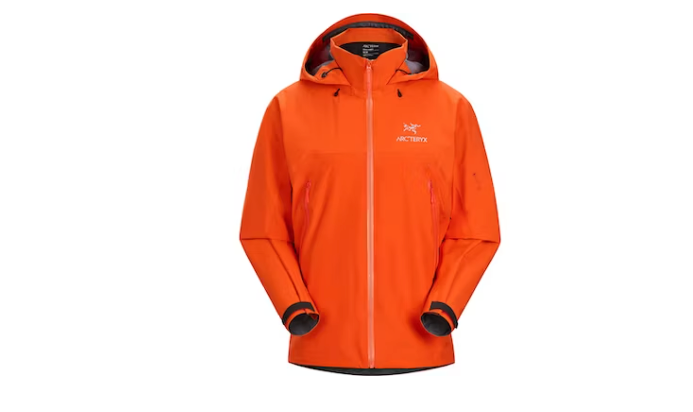
Waterproof jacket (Gore-Tex)
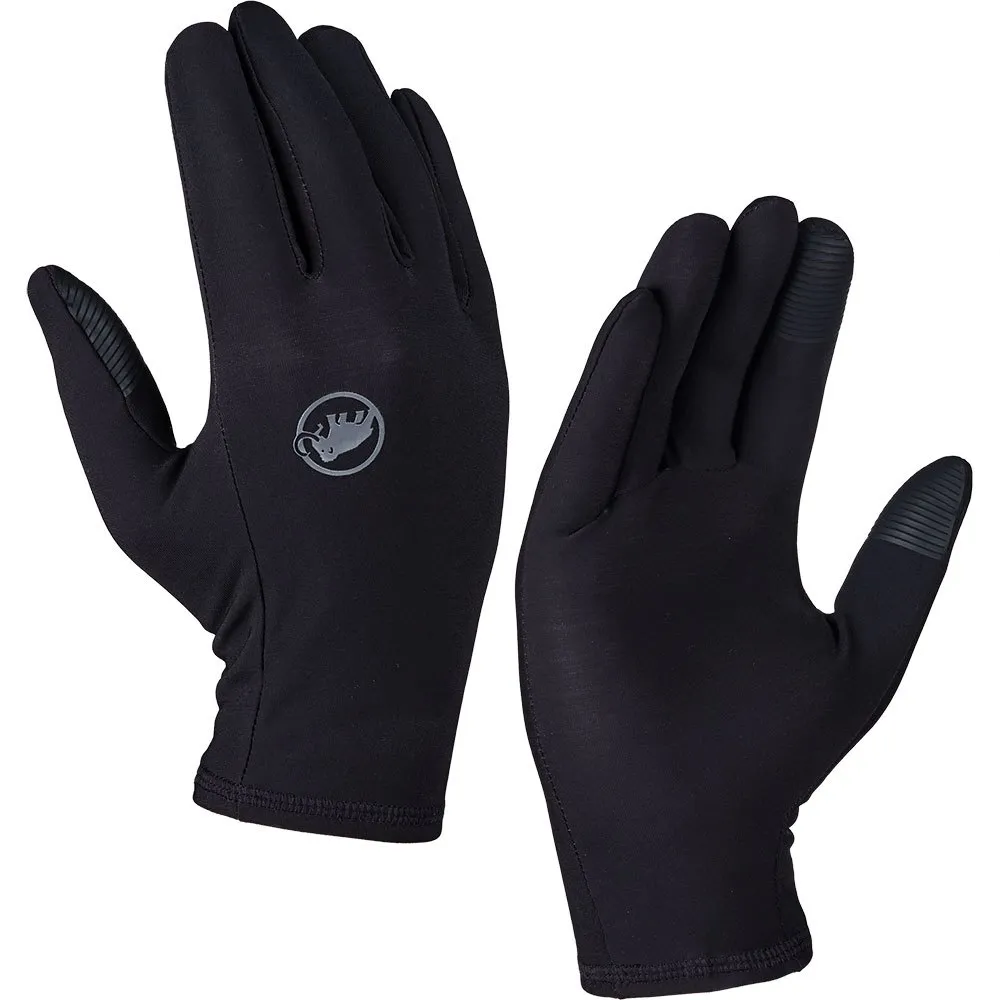
Liner gloves
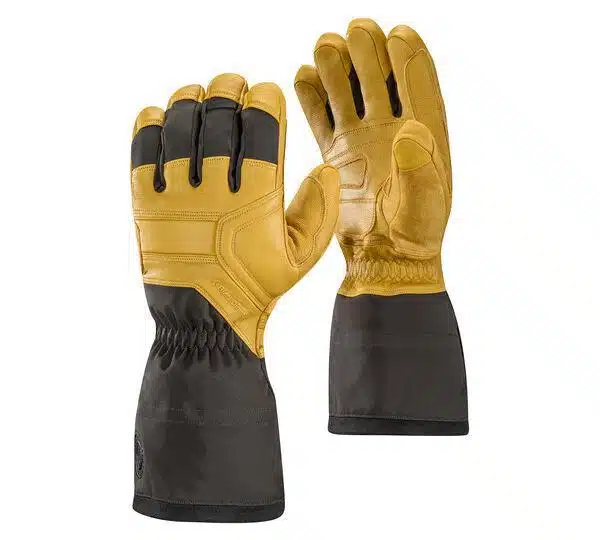
Thick waterproof gloves
Black Diamond Guide-style gloves
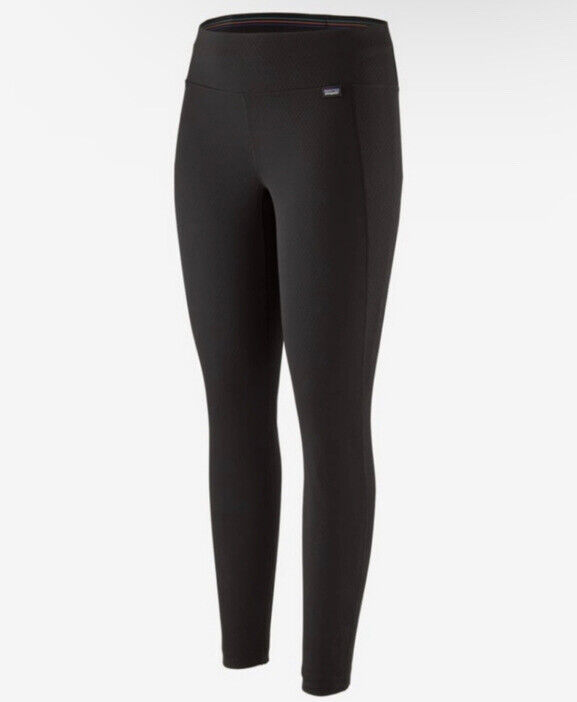
Thermal pants, first layer (2)
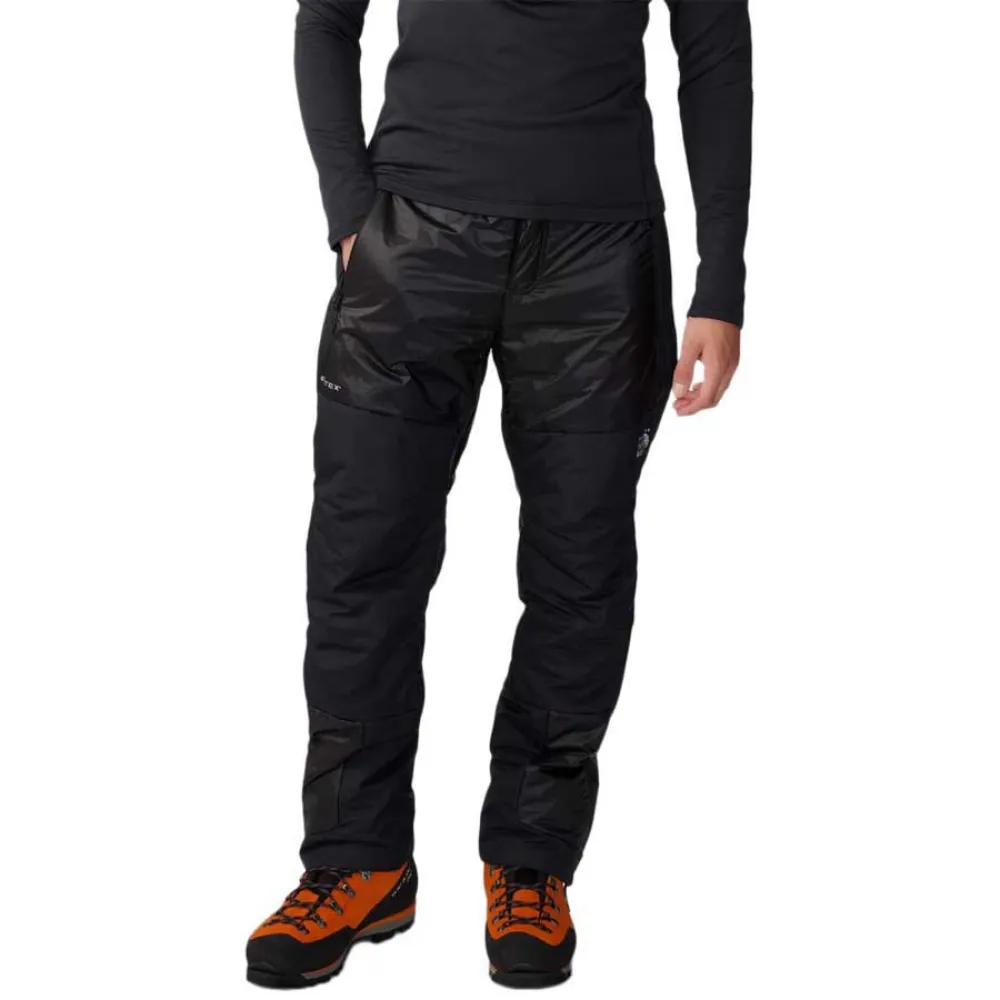
Fleece pants
Optional for the campsite
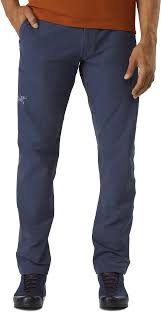
Trekking pants (2)
Light and comfortable. With enough room to wear the first layer underneath.
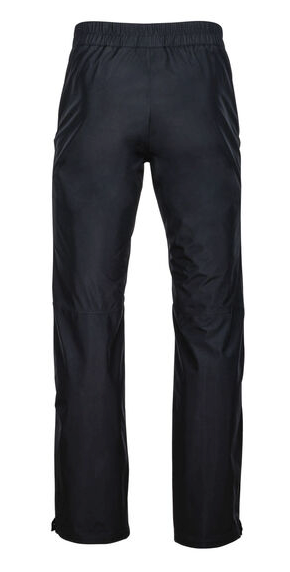
Waterproof pants (Gore-Tex)
A model with zippers on the sides is preferred.
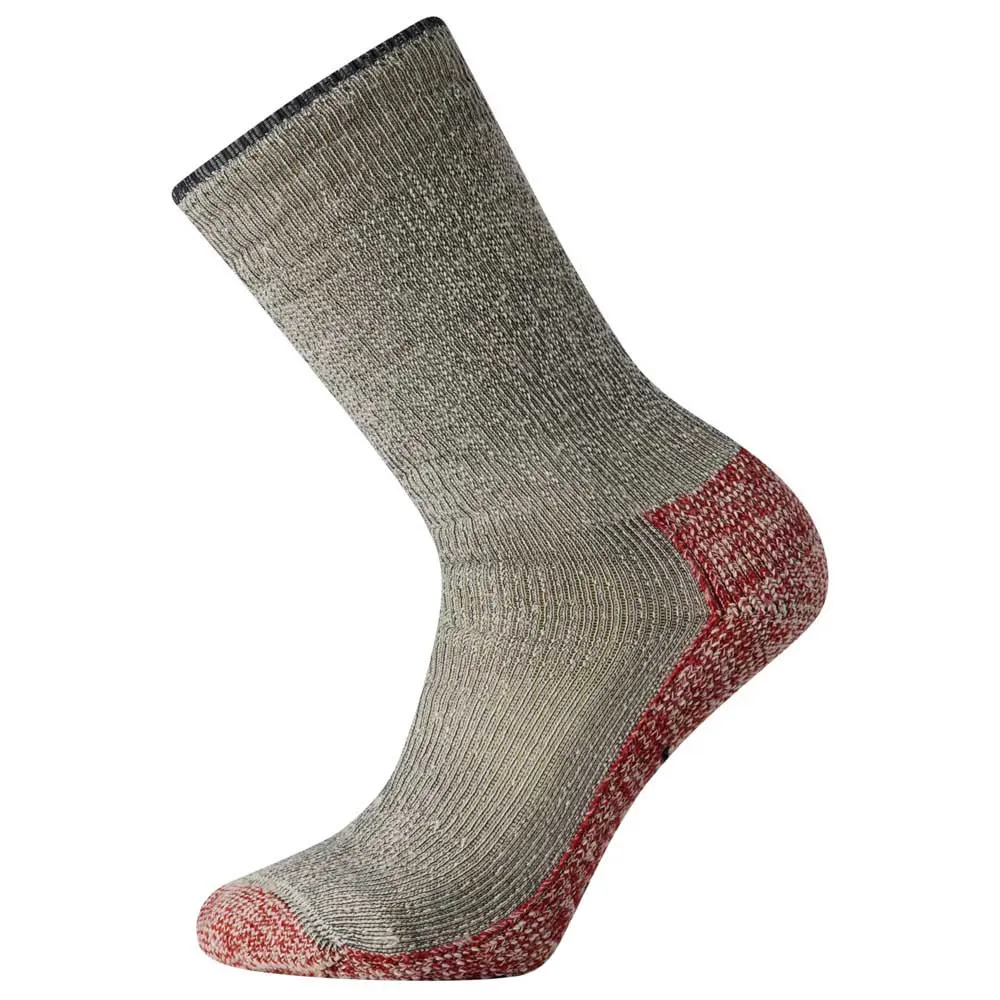
Thick mountain socks (2)
For summit night and another pair for sleeping
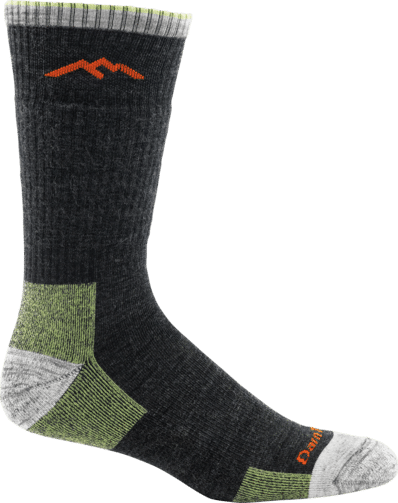
Trekking socks (3)
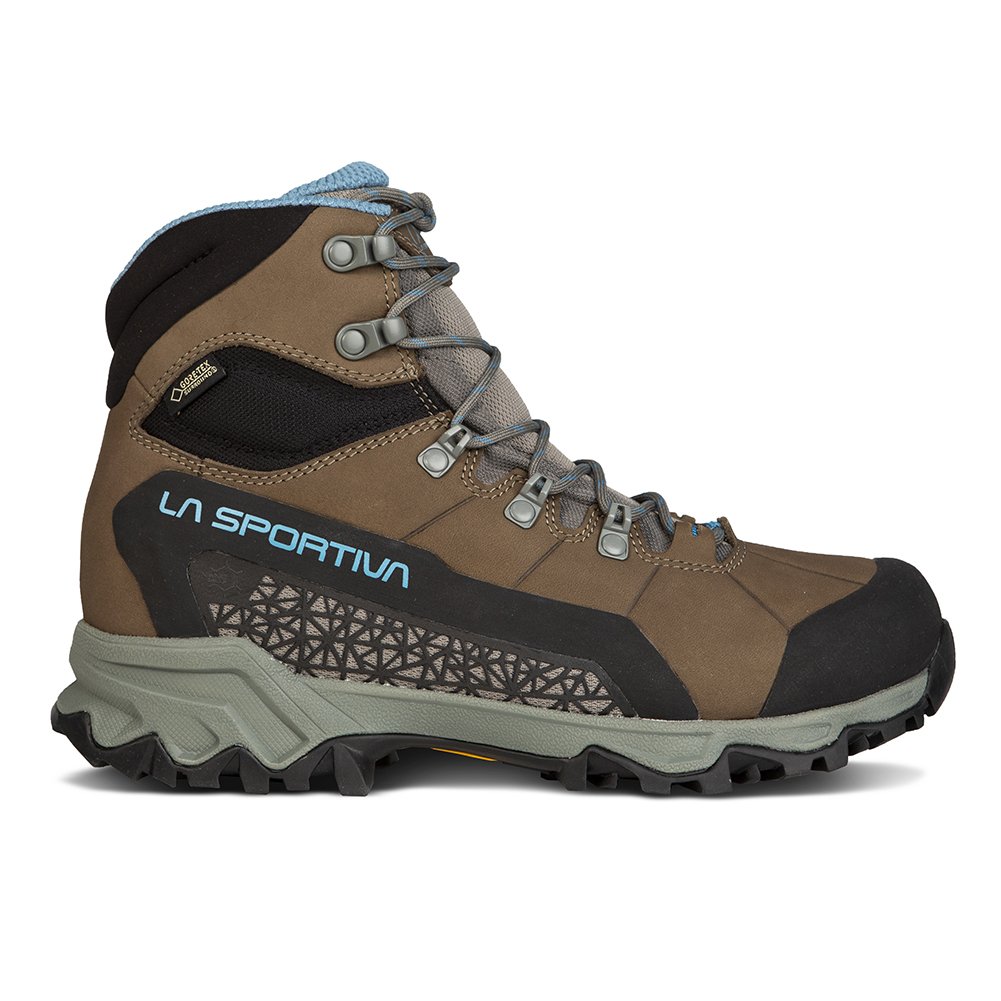
Mid-mountain waterproof boots
Leather, they don't need to be rigid.
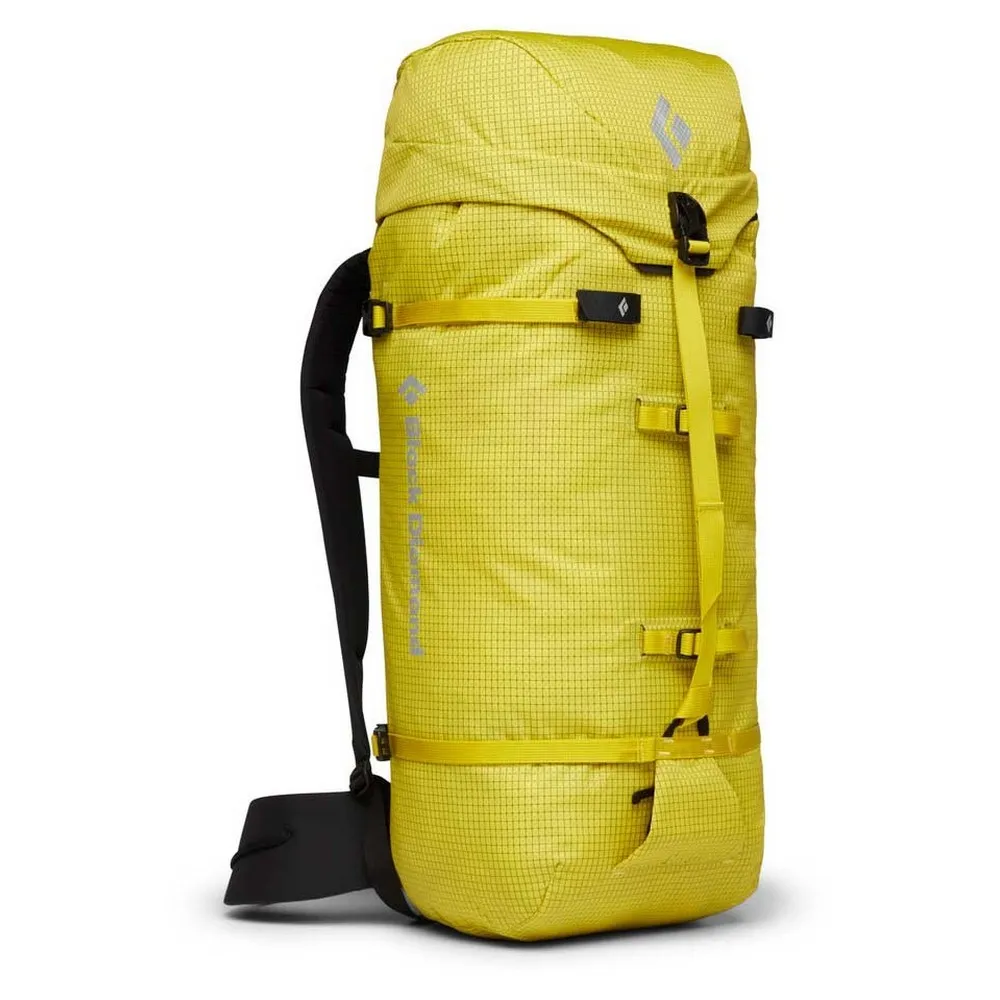
Backpack (30-40 liters)
A 30-liter backpack is sufficient.
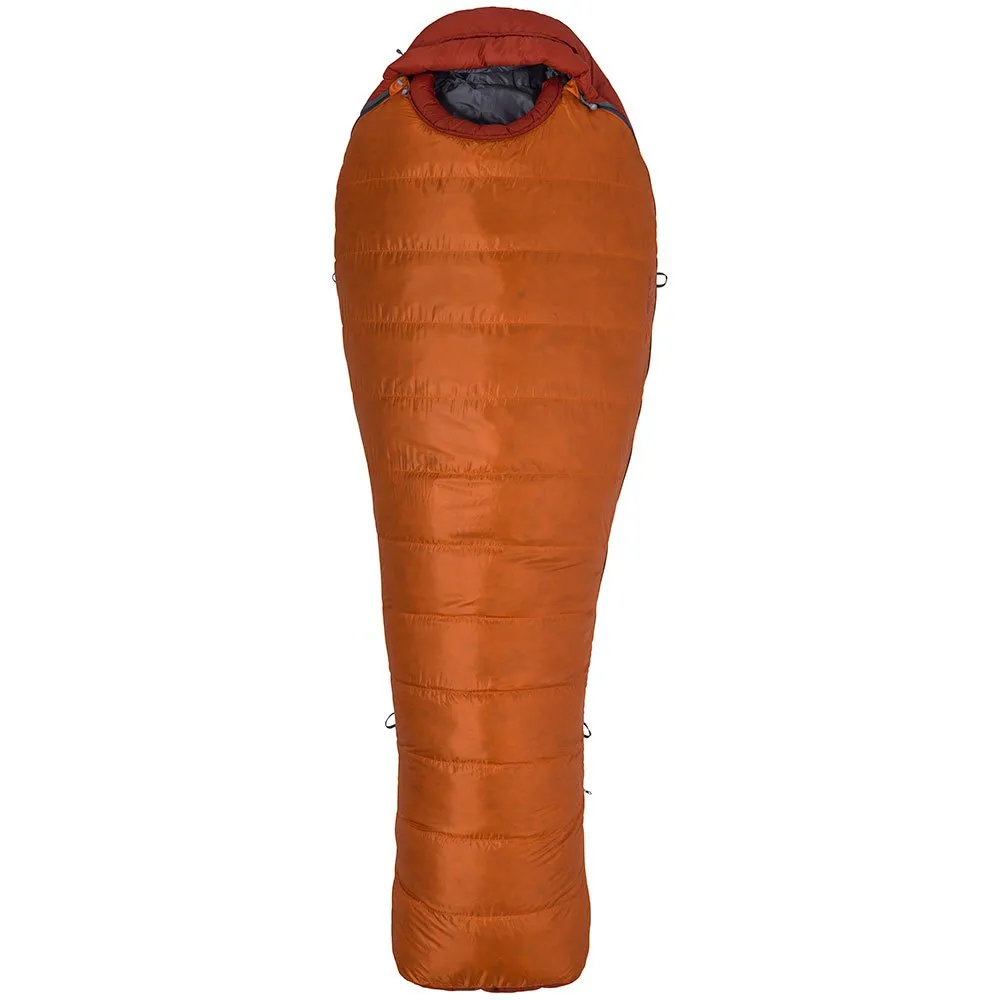
Sleeping bag (-10c)
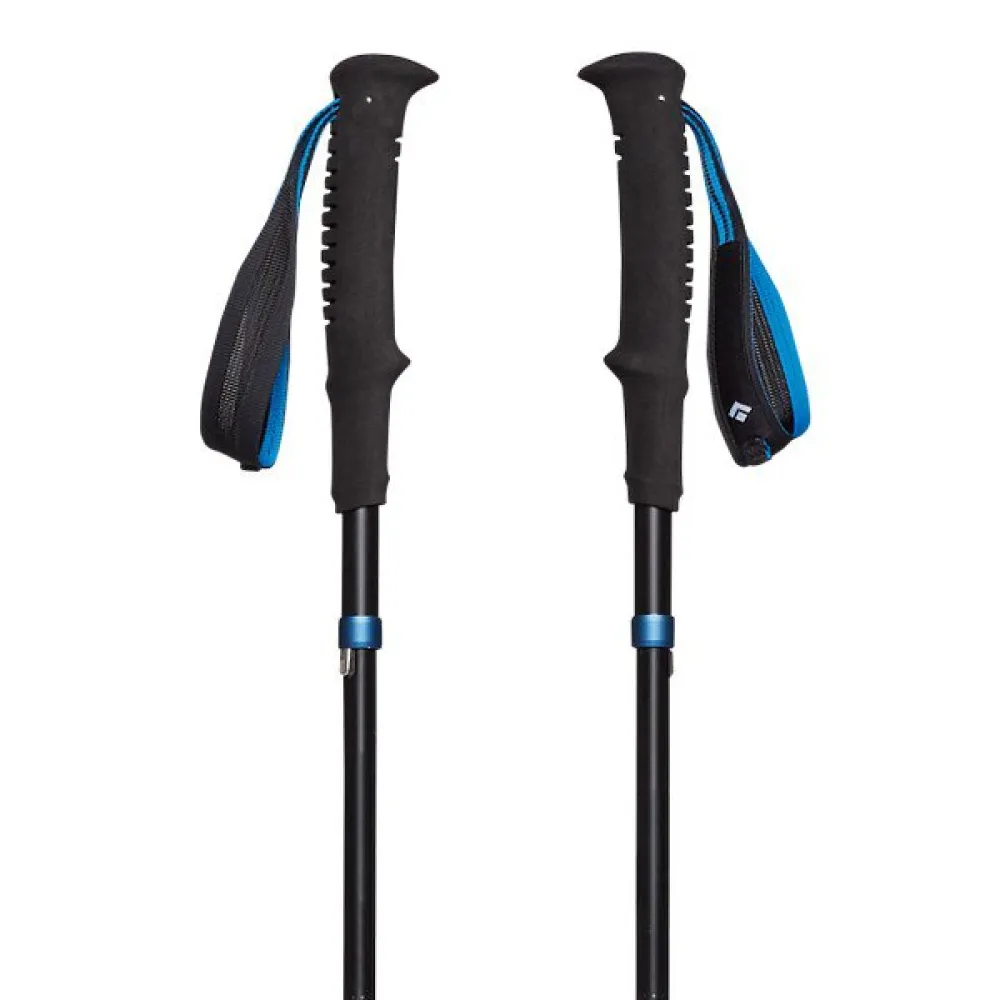
Trekking poles
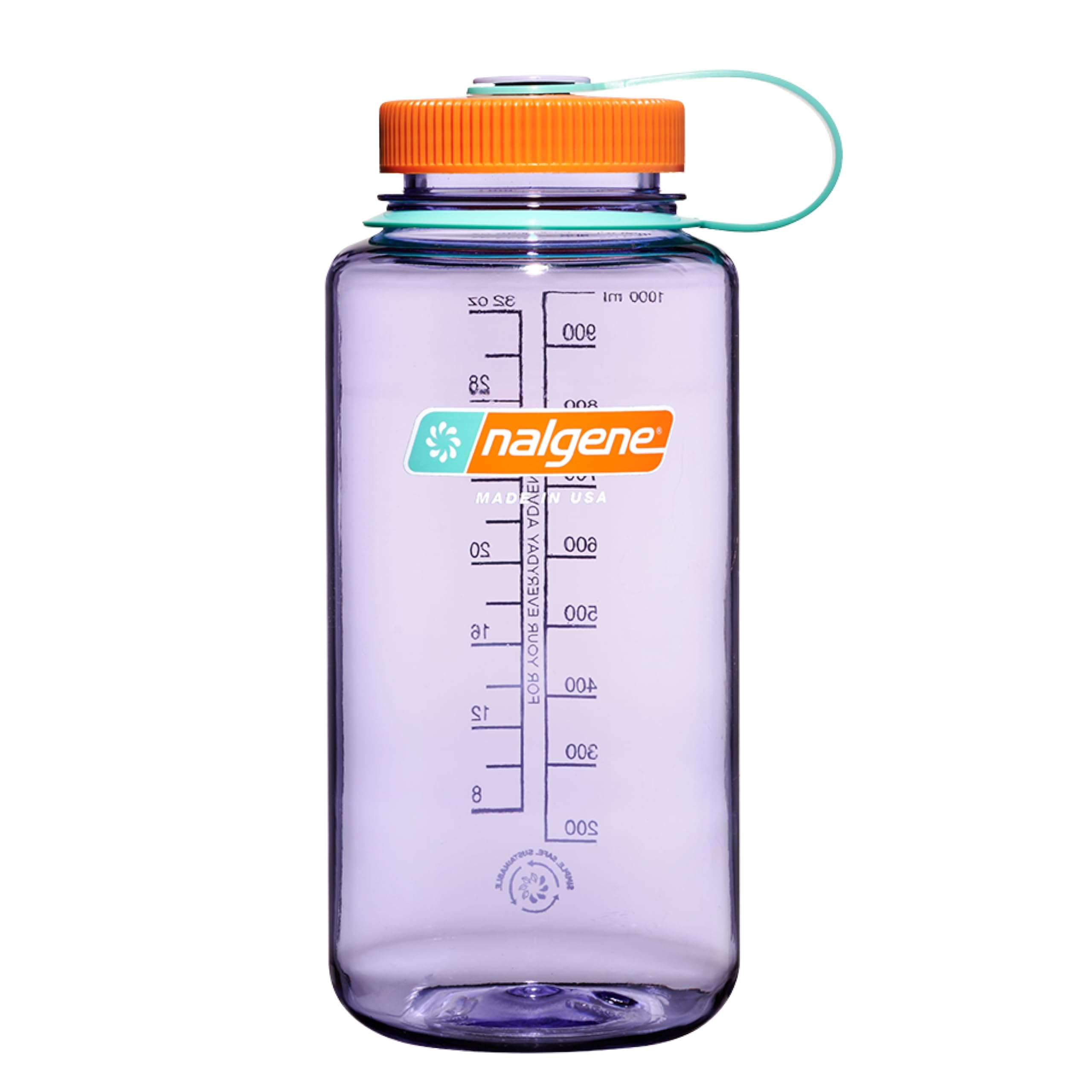
Nalgene bottle (2)
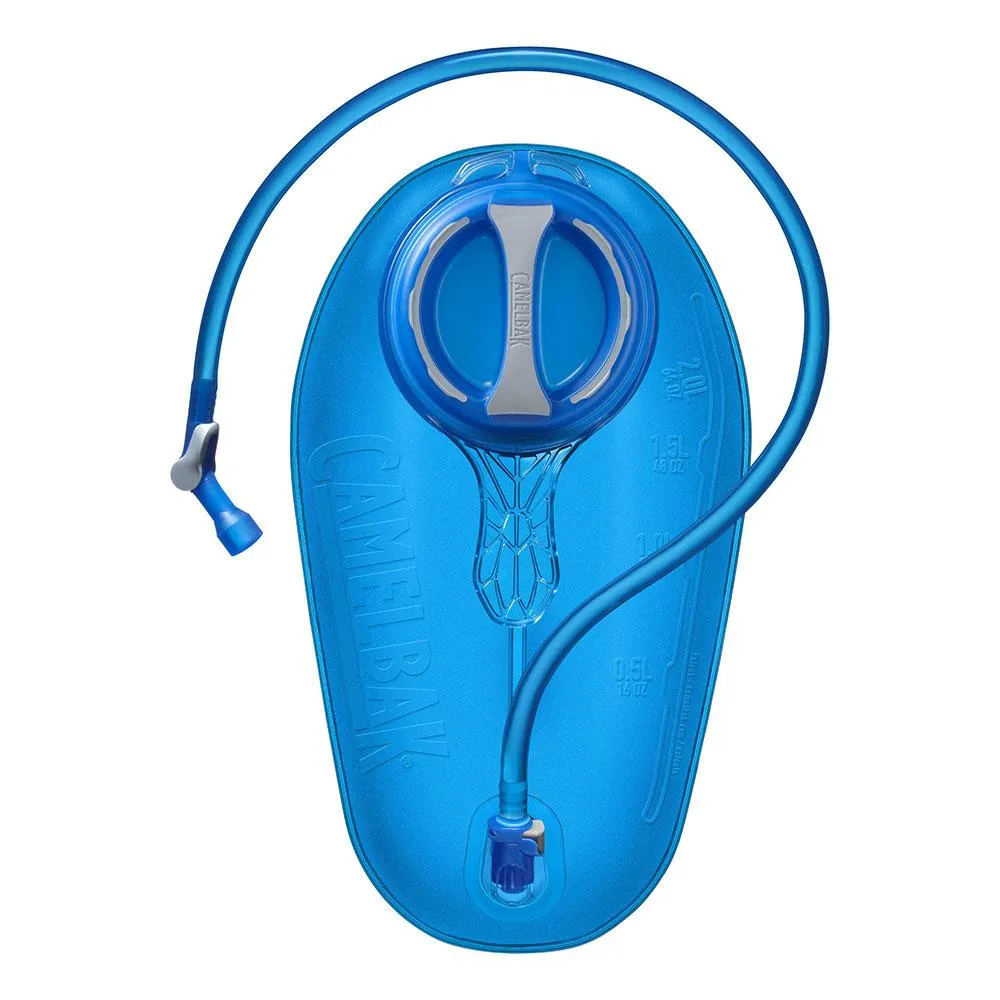
Camelback
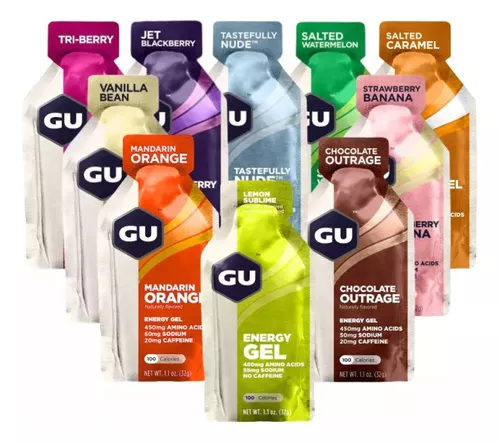
Snacks
Chocolates, gummy candies, energy gels.
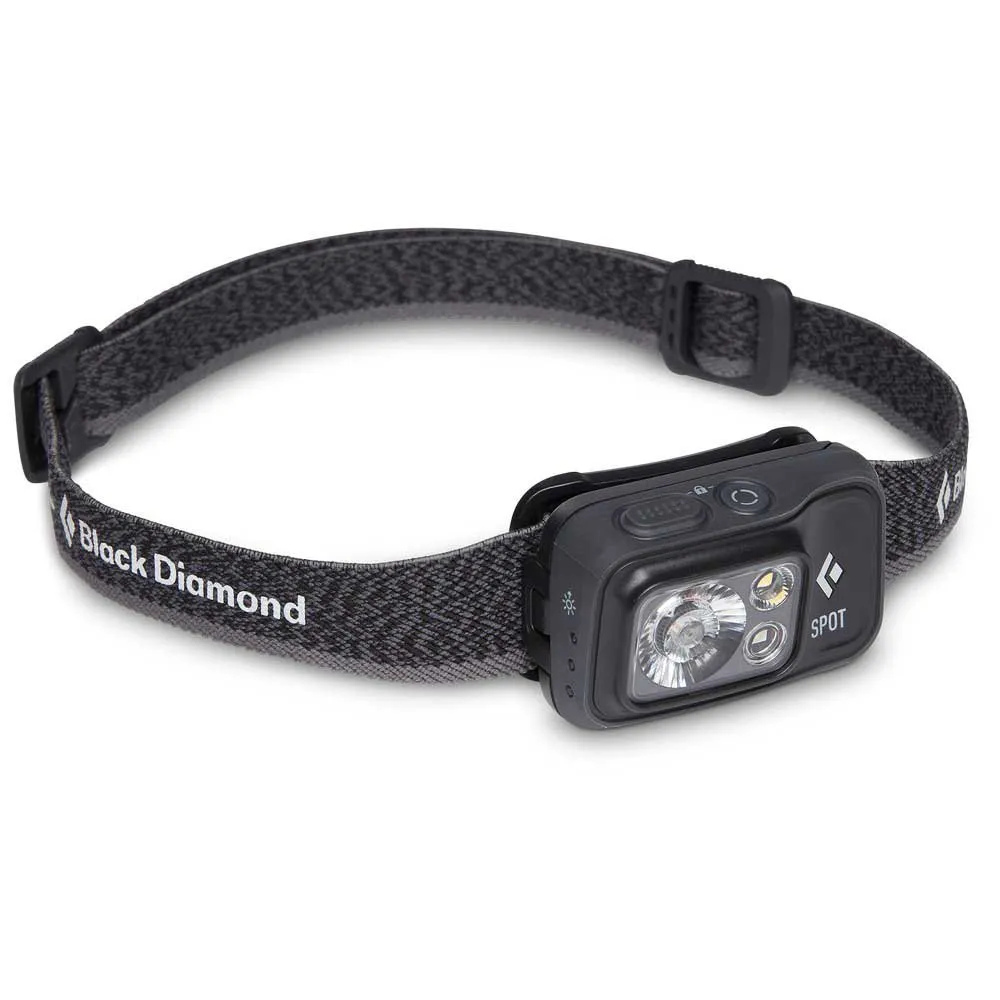
Headlamp
Bring extra batteries.
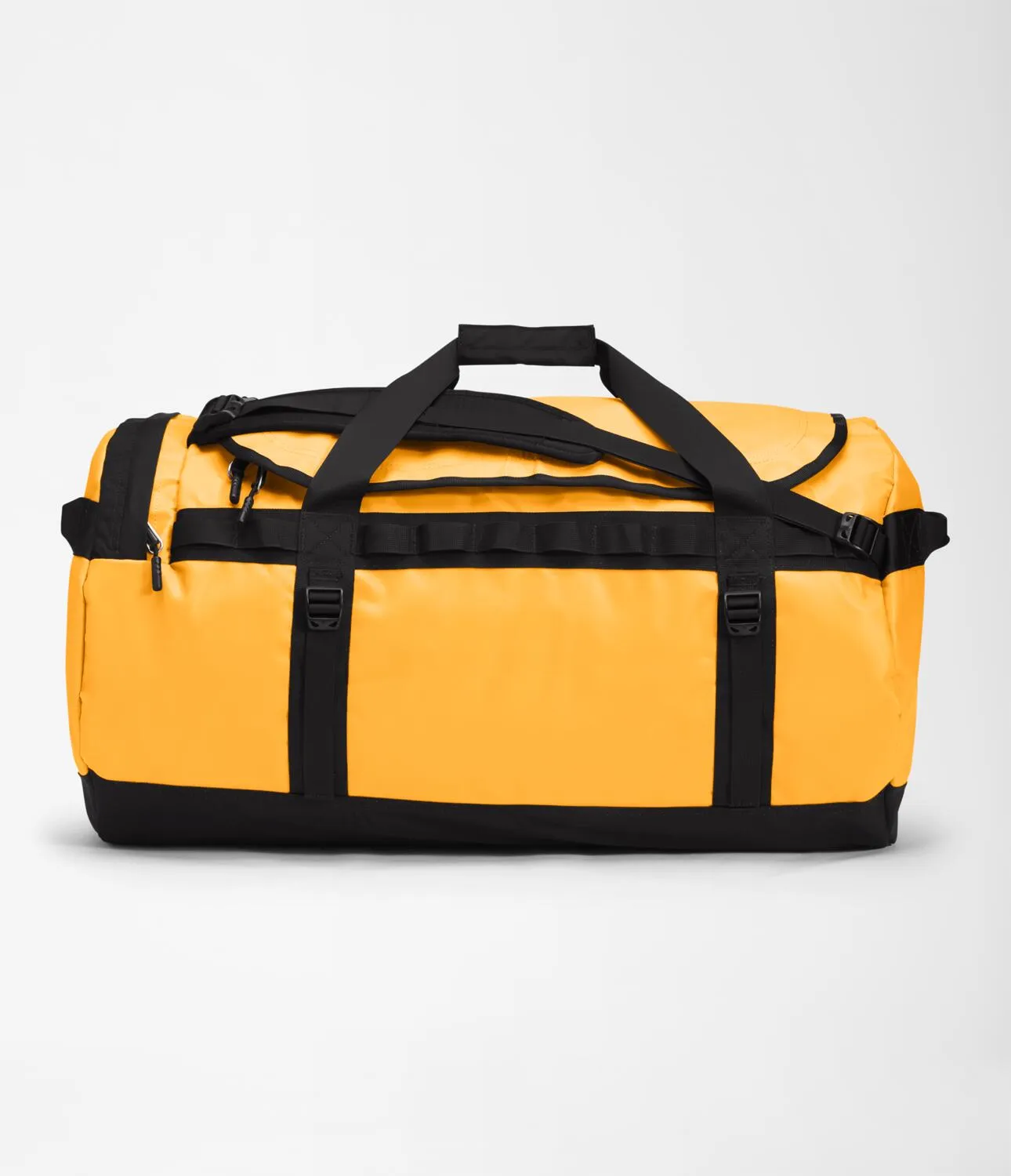
Large size duffle bag
It’s what the porter will use to carry your belongings.
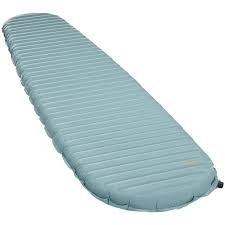
Inflatable mattress (Thermarest)
They provide a mattress on Kilimanjaro, but sometimes it’s thin. You can bring one of these for extra comfort.
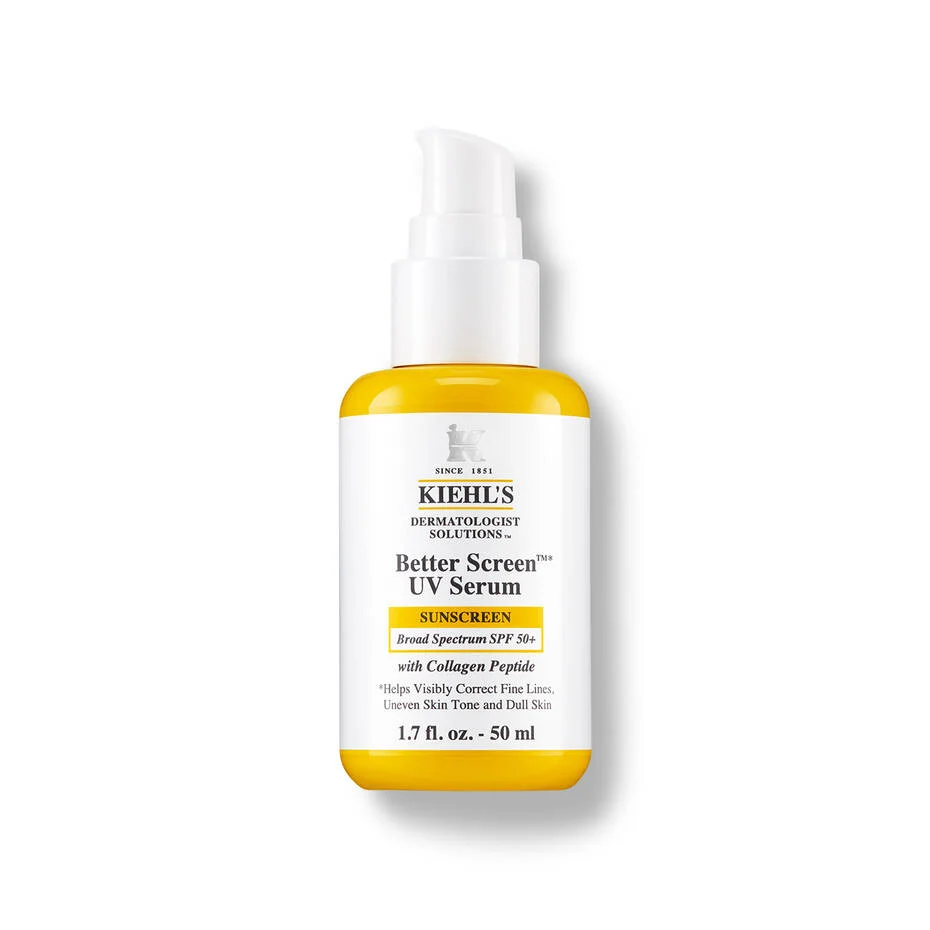
Sunscreen and lip balm with SPF
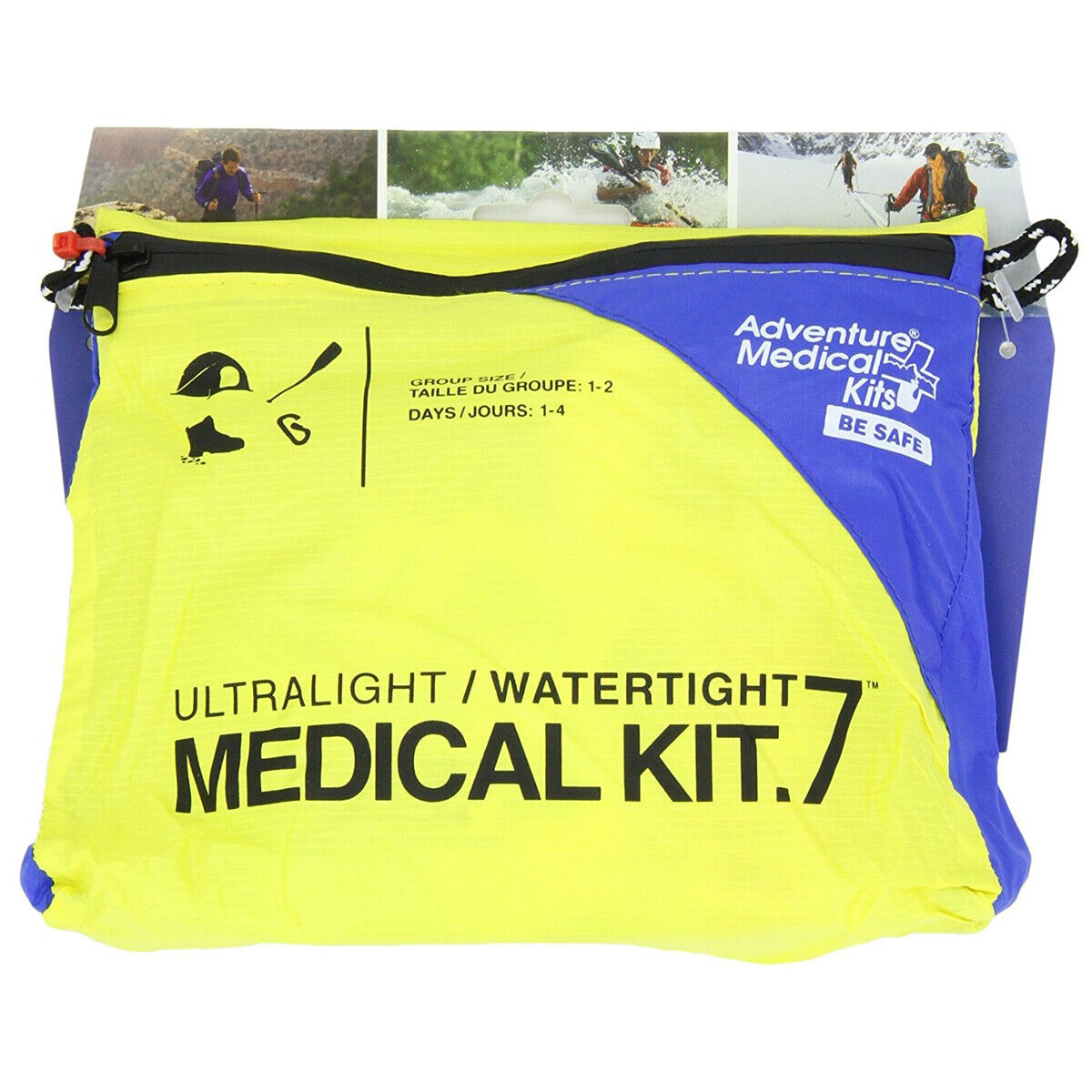
First aid kit and personal hygiene items
Bring basic medications, as well as those for altitude sickness (Dexamethasone, Acetazolamide).
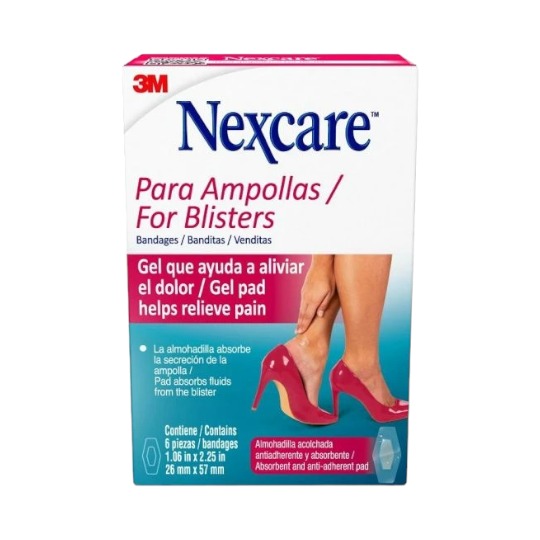
Blister patches
Additional equipment required:
FAQ
Kilimanjaro is a relatively easy mountain and can be climbed by anyone in good physical condition.
We recommend starting your training at least four months before the expedition, focusing on cardiovascular exercise four to five times a week — such as stair climbing or walking on a treadmill at a slow pace with maximum incline.
Our team can provide guidance and personalized tips on how to train effectively so you can fully enjoy the expedition.
Kilimanjaro is not a technical mountain. Most hiking days cover between 8 and 12 kilometers, except for summit day, which is longer — around 16 kilometers.
The main challenge on this mountain is the altitude, but with proper acclimatization, walking at a slow pace, and following the guidance of our experienced team, it should not be a problem.
You need to book a flight to Kilimanjaro International Airport (JRO), located near Arusha, Tanzania.
Airlines such as KLM usually operate flights to this airport, often with a layover in Amsterdam.
Kilimanjaro is the highest mountain in Africa and one of the famous Seven Summits.
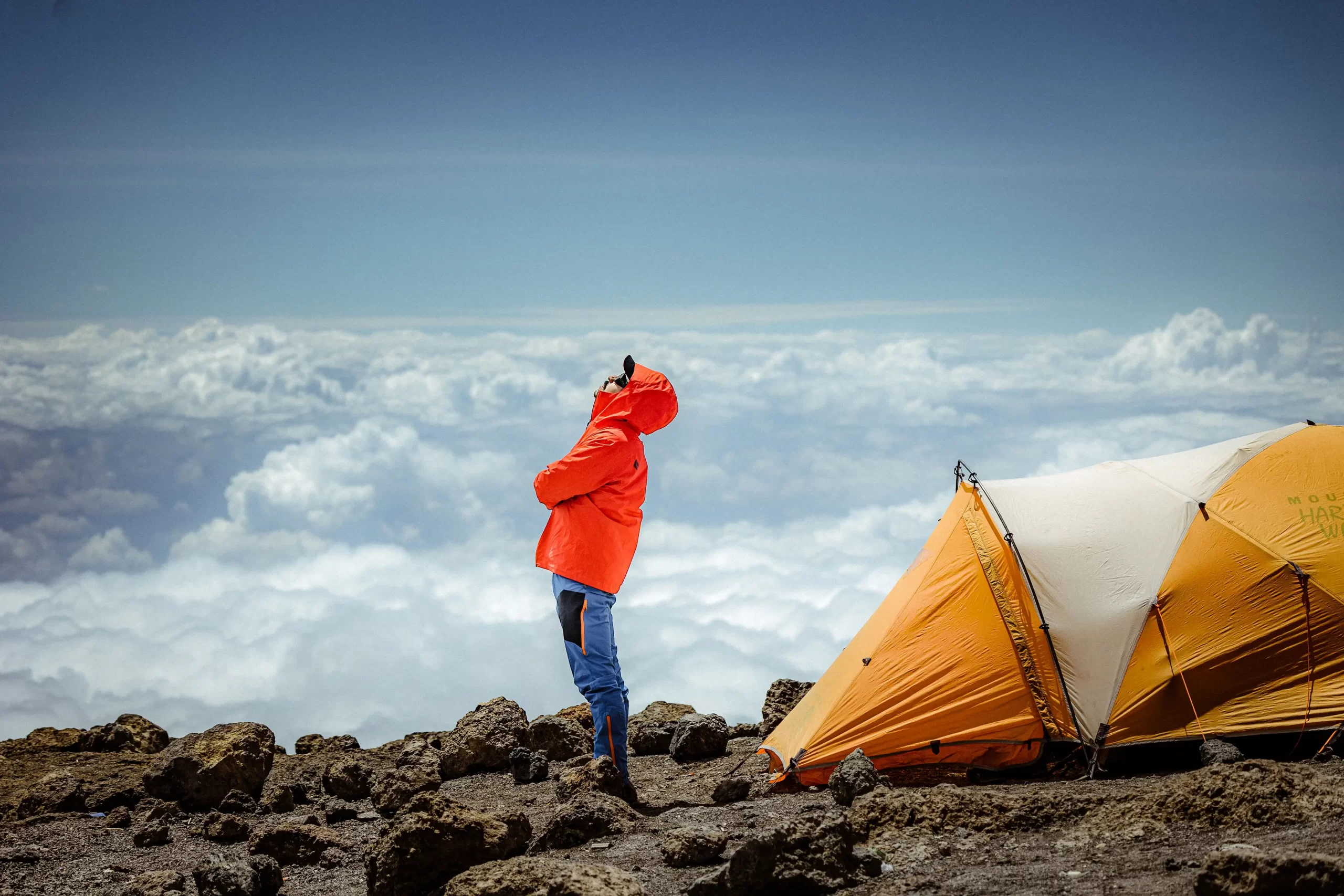
Unlike the Everest trek, on this expedition you’ll sleep in tents shared with one other person.
Although the tents are designed for four people, only two participants share each, leaving plenty of space to store your bags and move comfortably.
A mattress is provided, but since it’s not very thick, bringing your own inflatable sleeping pad is recommended for extra comfort.
This depends largely on the group’s pace, but on average, hiking days last between 5 and 7 hours, with scheduled breaks to rest and enjoy lunch along the way.
We carefully select all our guides to ensure the highest level of experience and professionalism.
Expeditions with fewer than 10 participants are led by our local staff, while groups of more than 10 also include a Spanish-speaking team leader — such as Vanessa Estol or another member of our team — who travels from our home countries to accompany the group.
There is no Wi-Fi access during the mountain trek.
However, in Arusha and at the hotels before and after the expedition, you will have Wi-Fi available.
On this expedition, we bring a chef who prepares fresh, varied meals every day.
The dishes are rich in carbohydrates to provide energy for the hike and include protein sources such as meat or chicken.
If you’re vegan or vegetarian, please let us know in advance so we can create a special menu for you.
We also recommend bringing your own snacks to complement the meals — especially for summit day.
Kilimanjaro is a mountain where you’ll experience a wide range of weather conditions.
It’s important to bring a good rain jacket, as rain is common in the lower sections of the climb.
As you gain altitude, temperatures drop significantly — often below freezing.
We recommend bringing a high-quality sleeping bag with a comfort rating of –10°C (14°F) to ensure warm and comfortable nights at higher camps.
Walking slowly, staying well hydrated, eating properly, and getting enough rest are key to proper acclimatization and a successful ascent.
Yes, Tanzania requires a visa, which can — and should — be obtained online. The cost is $50.
While many nationalities can also obtain the visa upon arrival at the airport, we strongly recommend applying in advance to avoid long lines and delays.
You should check whether Tanzania requires the yellow fever vaccine for travelers from your country — requirements vary by nationality.
A visit to a travel clinic before your trip is highly recommended; they can confirm if you need the vaccine and suggest any other useful immunizations.
It’s also important to bring a strong insect repellent (not the commercial kind) and consider taking malaria prevention medication if you plan to visit warmer areas for a safari.
There are no refunds for cancellations or for being unable to reach the expedition’s objectives due to weather or circumstances beyond our control.
If you need to cancel, you may transfer your spot to another person with the appropriate physical condition to complete the expedition.
Yes, rescue and evacuation insurance is mandatory for this expedition.
We recommend Global Rescue and advise making sure your plan includes the high-altitude coverage add-on.
Yes. The hotels we work with have storage rooms where you can safely leave any belongings you won’t need during the expedition.
This expedition includes porters, whose services are already covered in the cost.
Each morning, you’ll hand your gear to the porter in a duffle bag, while you carry only a small daypack with snacks, extra layers, and water.
The weight of your personal pack should not exceed 3 to 4 kilograms.
No, there are no showers on Kilimanjaro, so we recommend bringing a few packs of wet wipes to stay fresh during the expedition.
We’ll assist you with all logistics if you need to leave the expedition early.
However, any extra costs related to transportation, guides, or other services are the responsibility of the participant.
If the reason is illness or injury, these expenses are generally covered by your insurance.
We recommend bringing a basic personal medical kit that includes antibiotics for possible stomach or throat infections, cold medicine, something for diarrhea, ibuprofen, and blister care items such as tape or special patches.
You should also carry the usual altitude medications, including acetazolamide, injectable dexamethasone with a syringe, a pulse oximeter, and nifedipine.
Yes. Many participants invite their partner or family to join them for the safari after the expedition.
We offer the climb and the safari as two separate trips, so you can choose to do only Kilimanjaro, only the safari, or both.
That’s why the itineraries and prices are listed separately in the PDF.
Included
- National Park Permits
- All meals on the mountain
- Guides and porters
- Spanish-speaking guide (for groups of more than 9 people)
- Transfer to the mountain and airport-hotel-airport
- 2 nights in a 3-star hotel (1 before and 1 after the mountain) in double occupancy
- Portable toilet
- Summit certificate
Not Included
- Vuelo internacional a Tanzania y visas
- Extra hotel nights not included in the itinerary.
- Personal climbing gear
- Single-room supplement in hotels
- Medical and evacuation insurance (mandatory)
- Tips for guides, porters, and staff (estimated at $300 per person)
- Alcoholic beverages, meals, and dinners in Arusha
- Additional expenses or rescue costs due to premature expedition withdrawal
- Expenses that may arise due to delays or events beyond our responsibility (flight delays, blocked roads, canceled flights)
RESERVATION
The reservation is made with $900. Send an email to 14peakslatam@gmail.com and you will receive the registration confirmation.
The payment is made via bank transfer (the exchange rate is calculated based on the Banamex dollar rate on the day of the sale).
- 50% is due 4 months before the trip.
- The remaining 50% is paid in cash upon arrival in Tanzania.
DATOS BANCARIOS
BANAMEX CLABE
0021 8070 0806 3487 99
Cristel Vanessa Estol Garay
Equipment list:
Wool hat
Buff (2)
Sunglasses with UV filter
Cat 4
Hat
Long sleeve shirt: First layer top (2)
No cotton. One sun shirt and one thermal shirt.
Fleece or polar fleece
Down jacket
Warm enough for a temperature of -10°C on summit day.
Waterproof jacket (Gore-Tex)
Liner gloves
Thick waterproof gloves
Black Diamond Guide-style gloves
Thermal pants, first layer (2)
Fleece pants
Optional for the campsite
Trekking pants (2)
Light and comfortable. With enough room to wear the first layer underneath.
Waterproof pants (Gore-Tex)
A model with zippers on the sides is preferred.
Thick mountain socks (2)
For summit night and another pair for sleeping
Trekking socks (3)
Mid-mountain waterproof boots
Leather, they don't need to be rigid.
Backpack (30-40 liters)
A 30-liter backpack is sufficient.
Sleeping bag (-10c)
Trekking poles
Nalgene bottle (2)
Camelback
Snacks
Chocolates, gummy candies, energy gels.
Headlamp
Bring extra batteries.
Large size duffle bag
It’s what the porter will use to carry your belongings.
Inflatable mattress (Thermarest)
They provide a mattress on Kilimanjaro, but sometimes it’s thin. You can bring one of these for extra comfort.
Sunscreen and lip balm with SPF
First aid kit and personal hygiene items
Bring basic medications, as well as those for altitude sickness (Dexamethasone, Acetazolamide).
Blister patches
Additional equipment required:
FAQ
Kilimanjaro is a relatively easy mountain and can be climbed by anyone in good physical condition.
We recommend starting your training at least four months before the expedition, focusing on cardiovascular exercise four to five times a week — such as stair climbing or walking on a treadmill at a slow pace with maximum incline.
Our team can provide guidance and personalized tips on how to train effectively so you can fully enjoy the expedition.
Kilimanjaro is not a technical mountain. Most hiking days cover between 8 and 12 kilometers, except for summit day, which is longer — around 16 kilometers.
The main challenge on this mountain is the altitude, but with proper acclimatization, walking at a slow pace, and following the guidance of our experienced team, it should not be a problem.
You need to book a flight to Kilimanjaro International Airport (JRO), located near Arusha, Tanzania.
Airlines such as KLM usually operate flights to this airport, often with a layover in Amsterdam.
Kilimanjaro is the highest mountain in Africa and one of the famous Seven Summits.
Unlike the Everest trek, on this expedition you’ll sleep in tents shared with one other person.
Although the tents are designed for four people, only two participants share each, leaving plenty of space to store your bags and move comfortably.
A mattress is provided, but since it’s not very thick, bringing your own inflatable sleeping pad is recommended for extra comfort.
This depends largely on the group’s pace, but on average, hiking days last between 5 and 7 hours, with scheduled breaks to rest and enjoy lunch along the way.
We carefully select all our guides to ensure the highest level of experience and professionalism.
Expeditions with fewer than 10 participants are led by our local staff, while groups of more than 10 also include a Spanish-speaking team leader — such as Vanessa Estol or another member of our team — who travels from our home countries to accompany the group.
There is no Wi-Fi access during the mountain trek.
However, in Arusha and at the hotels before and after the expedition, you will have Wi-Fi available.
On this expedition, we bring a chef who prepares fresh, varied meals every day.
The dishes are rich in carbohydrates to provide energy for the hike and include protein sources such as meat or chicken.
If you’re vegan or vegetarian, please let us know in advance so we can create a special menu for you.
We also recommend bringing your own snacks to complement the meals — especially for summit day.
Kilimanjaro is a mountain where you’ll experience a wide range of weather conditions.
It’s important to bring a good rain jacket, as rain is common in the lower sections of the climb.
As you gain altitude, temperatures drop significantly — often below freezing.
We recommend bringing a high-quality sleeping bag with a comfort rating of –10°C (14°F) to ensure warm and comfortable nights at higher camps.
Walking slowly, staying well hydrated, eating properly, and getting enough rest are key to proper acclimatization and a successful ascent.
Yes, Tanzania requires a visa, which can — and should — be obtained online. The cost is $50.
While many nationalities can also obtain the visa upon arrival at the airport, we strongly recommend applying in advance to avoid long lines and delays.
You should check whether Tanzania requires the yellow fever vaccine for travelers from your country — requirements vary by nationality.
A visit to a travel clinic before your trip is highly recommended; they can confirm if you need the vaccine and suggest any other useful immunizations.
It’s also important to bring a strong insect repellent (not the commercial kind) and consider taking malaria prevention medication if you plan to visit warmer areas for a safari.
There are no refunds for cancellations or for being unable to reach the expedition’s objectives due to weather or circumstances beyond our control.
If you need to cancel, you may transfer your spot to another person with the appropriate physical condition to complete the expedition.
Yes, rescue and evacuation insurance is mandatory for this expedition.
We recommend Global Rescue and advise making sure your plan includes the high-altitude coverage add-on.
Yes. The hotels we work with have storage rooms where you can safely leave any belongings you won’t need during the expedition.
This expedition includes porters, whose services are already covered in the cost.
Each morning, you’ll hand your gear to the porter in a duffle bag, while you carry only a small daypack with snacks, extra layers, and water.
The weight of your personal pack should not exceed 3 to 4 kilograms.
No, there are no showers on Kilimanjaro, so we recommend bringing a few packs of wet wipes to stay fresh during the expedition.
We’ll assist you with all logistics if you need to leave the expedition early.
However, any extra costs related to transportation, guides, or other services are the responsibility of the participant.
If the reason is illness or injury, these expenses are generally covered by your insurance.
We recommend bringing a basic personal medical kit that includes antibiotics for possible stomach or throat infections, cold medicine, something for diarrhea, ibuprofen, and blister care items such as tape or special patches.
You should also carry the usual altitude medications, including acetazolamide, injectable dexamethasone with a syringe, a pulse oximeter, and nifedipine.
Yes. Many participants invite their partner or family to join them for the safari after the expedition.
We offer the climb and the safari as two separate trips, so you can choose to do only Kilimanjaro, only the safari, or both.
That’s why the itineraries and prices are listed separately in the PDF.
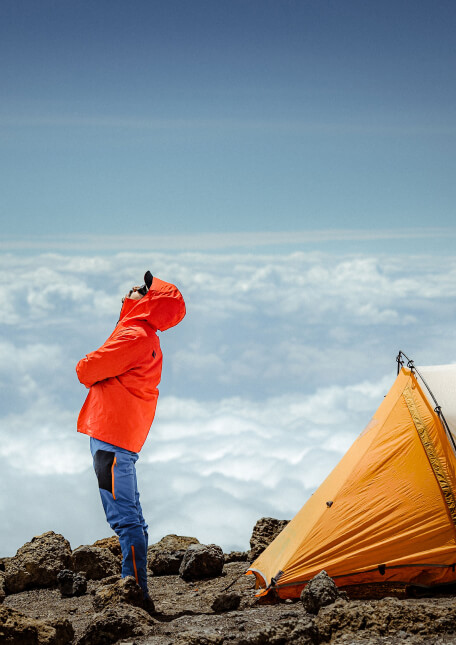
Itinerary
Day 1 - October 4
Arrival in Tanzania
Our driver will pick you up at the airport and transfer you to Arusha, where you will spend the night and prepare your gear for the adventure ahead.
We recommend arriving on a morning flight or the night before, as this day we will assist you with a full gear check.
If you are missing any equipment, there are rental shops available in town.
Day 2 - October 5
Arusha to Machame Gate and ascent to Machame Camp
Our guides will meet you early in the morning as we begin the journey to Machame Gate, where the ascent starts.
Today’s route takes us through a beautiful rainforest, with a hike of about 7 hours covering 11 kilometers and gaining approximately 1,200 meters in elevation.
We’ll reach Machame Camp, our first campsite, in the late afternoon and settle in for the night.
Day 3 - October 6
Machame Camp to Shira Camp
Today’s route takes you out of the lush rainforest and into the moorland zone. The trail gradually ascends along a rocky ridge, offering changing views as the vegetation becomes sparser.
The path then turns west, following a river gorge that leads toward Shira Camp, located on the Shira Plateau.
The hike takes about 5 to 6 hours, covering approximately 6 kilometers and gaining around 800 meters in elevation.
Upon arrival, we settle in at Shira Camp, where you can enjoy stunning views of Kibo’s volcanic cone and the vast African plains below.
Day 4 - October 7
Shira Cave camp to Barranco Camp (3900 mts)
You will hike east along a rocky ridge, passing by the famous “Shark’s Tooth” lava formation before reaching the Lava Tower at 4,630 meters.
From there, the route descends toward the Arrow Glacier and continues to Barranco Camp.
This stage of the climb takes approximately 6 hours, covering about 11 kilometers and gaining around 800 meters in elevation before descending again to sleep at a lower altitude — a key step in the acclimatization process.
Day 5 - October 8
Barranco Camp to Karanga Camp (3995 mts)
You will hike for about 4 to 5 hours, crossing the moorland zone and entering the alpine desert, where the vegetation becomes increasingly sparse and unique.
Early in the day, you’ll climb the famous Barranco Wall — a fun and scenic section that involves some easy rock scrambling but no technical climbing.
The trail continues through rolling terrain with minimal elevation gain (about 75 meters) over a distance of 5 kilometers before reaching Karanga Camp.
Day 6 - October 9
Karanga to Barafu (4,673 m)
Today’s hike takes about 4 to 5 hours, covering approximately 6 kilometers and gaining around 600 meters in elevation.
The goal is to arrive early at Barafu Camp, the final camp before the summit push.
We’ll have time to rest, hydrate, and prepare all gear for the ascent, which begins in the early hours of the next morning.
Day 7 - October 10
Summit Day: Barafu Camp to Uhuru Peak (5,895 m) and descent to Mweka CampKaran
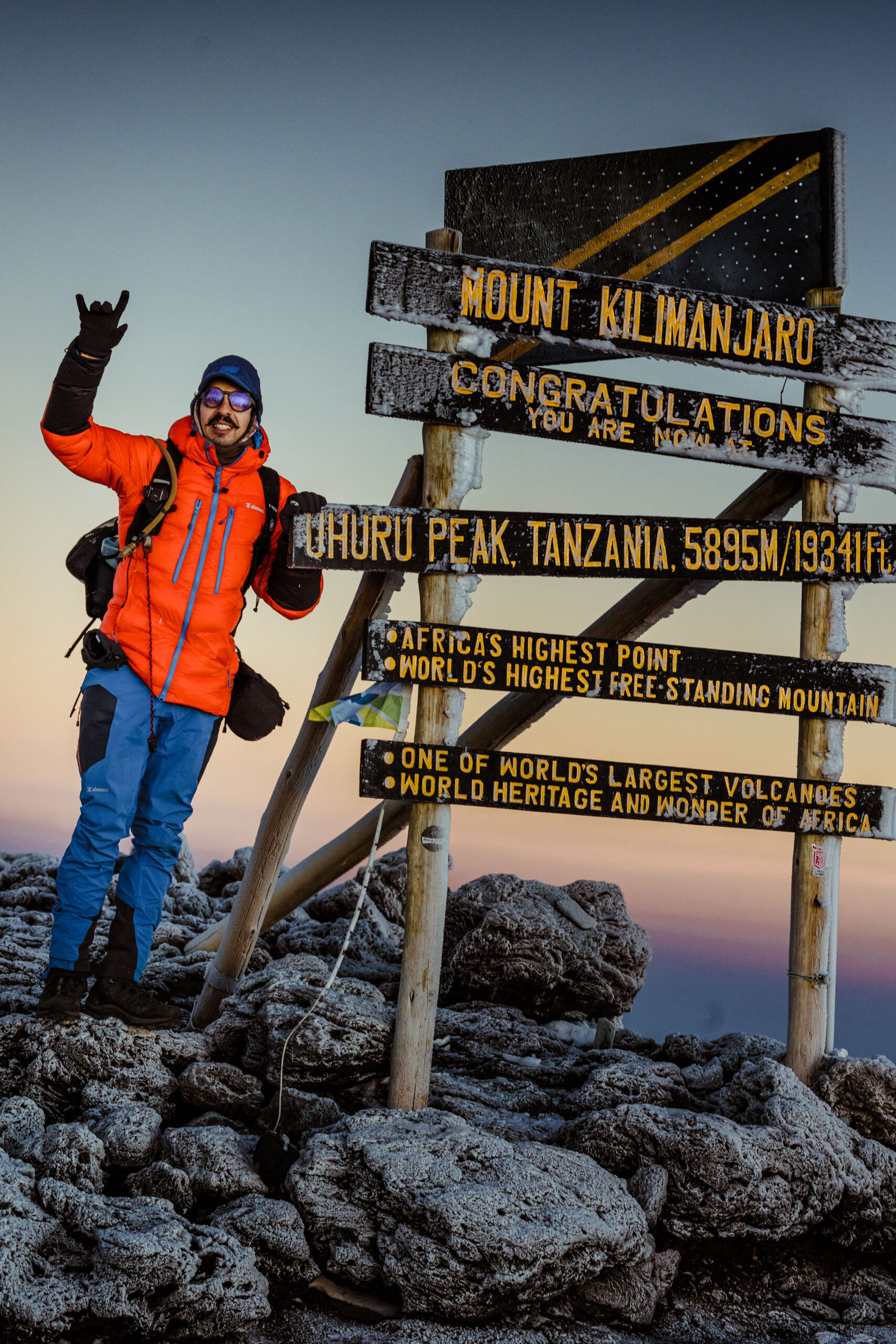
Summit day begins very early, between midnight and 2:00 a.m. The trail ascends steeply toward Stella Point (5,739 m) on the crater rim, where you’ll be rewarded with a breathtaking sunrise over Africa.
From there, the climb continues along a gentler slope to Uhuru Peak (5,895 m) — the highest point in Africa and one of the legendary Seven Summits.
After celebrating at the summit and taking in the incredible views, you’ll begin the long descent back to Barafu Camp for a short rest, then continue down to Mweka Camp (3,100 m) for the night.
It’s a long and demanding day, typically lasting 10 to 14 hours in total, but an unforgettable achievement.
8 Day - October 11
Mweka Camp to Mweka Gate and return to Arusha
After breakfast, you’ll continue the descent through the lush rainforest toward Mweka Gate (1,640 m), where our vehicles will be waiting.
The hike takes about 3 to 4 hours, covering approximately 10 kilometers.
At the gate, you’ll receive your Kilimanjaro summit certificate — a well-deserved recognition of your achievement.
From there, we’ll drive back to Arusha, where you can rest, celebrate, and enjoy your last night in Tanzania.
Day 9 - October 12
Return home or start of safari extension
After breakfast, we’ll transfer you to the airport for your international flight back home.
For those continuing the adventure, this marks the beginning of your optional three-day safari through Tanzania’s spectacular national parks — the perfect way to unwind and celebrate after summiting Africa’s highest peak.


Contact Us
We look forward to sharing a unique experience with you!
LOCATION: Mexico City
PHONE: +52 55 2755 9402
MAIL: 14peakslatam@gmail.com
Contáctanos
¡Te esperamos para vivir juntos una experiencia única!
LOCATION: Mexico City
PHONE: +52 5527559402
MAIL: 14peakslatam@gmail.com
