

EVEREST Base Camp Trek Octubre
Hike to the base of the highest mountain on Earth.

Duration:
15 Days

Location:
Nepal
EVEREST Base Camp Trek Octubre
Hike to the base of the highest mountain on Earth.
Duration:
15 Days
Location:
Nepal
Everest Base Camp Trek
Dare to venture into the Himalayas and experience something truly extraordinary on this 15-day journey through Nepal. Discover its fascinating culture, walk among ancient temples, and trek through one of the most breathtaking mountain ranges on Earth.
We’ll reach the foot of the world’s highest mountain — Everest — taking on a personal challenge that deserves a place on every adventurer’s bucket list. Along the way, you’ll explore Buddhist monasteries, connect with local Sherpa traditions, and enjoy awe-inspiring views of the Himalayas, culminating at Everest Base Camp, standing 5,364 meters above sea level.

TYPE: Trekking

LOCATION: Nepal

DURATION: 15 Days

DATE: October 24, 2026

HIKE: 3 hours in the morning and 3 hours in the afternoon

DIFFICULTY: Moderate

COST PER PERSON: 3950 USD
Included
- Airport-hotel-airport transfers
- 4 nights in Kathmandu hotel with breakfast included
- Internal flight to Lukla
- Trekking permits
- Accommodation in Tea Houses (mountain lodges during the trek)
- Breakfast, lunch, and dinner throughout the trek. À la carte. One item or dish from the menu included per meal.
- One porter for every two clients (15 kg per person)
- Trekking guides
- Spanish-speaking guide (minimum group of 9 people)
- Farewell dinner
- Helicopter flight from Periche to Lukla
Not Included
- International flight, taxes, and visas
- Accommodation in Kathmandu for extra nights not included in this itinerary
- Personal equipment
- Meals and dinners in KTM (during the trekking they are included)
- Alcoholic beverages.
- Extra expenses during the trekking (Wi-Fi, showers, battery charging, sodas, bottled water)
- Rescue/evacuation insurance (mandatory to purchase Global Rescue or similar)
- Extra rescue expenses or costs due to having to leave the expedition prematurely
- Tips for the staff (minimum suggested amount of $300 to distribute among porters and guides in Nepal)
- Expenses that may arise due to delays or events beyond our responsibility (flight delays, blocked roads, flights canceled due to weather conditions, natural disasters, etc.)
PAYMENT
Equipment list:
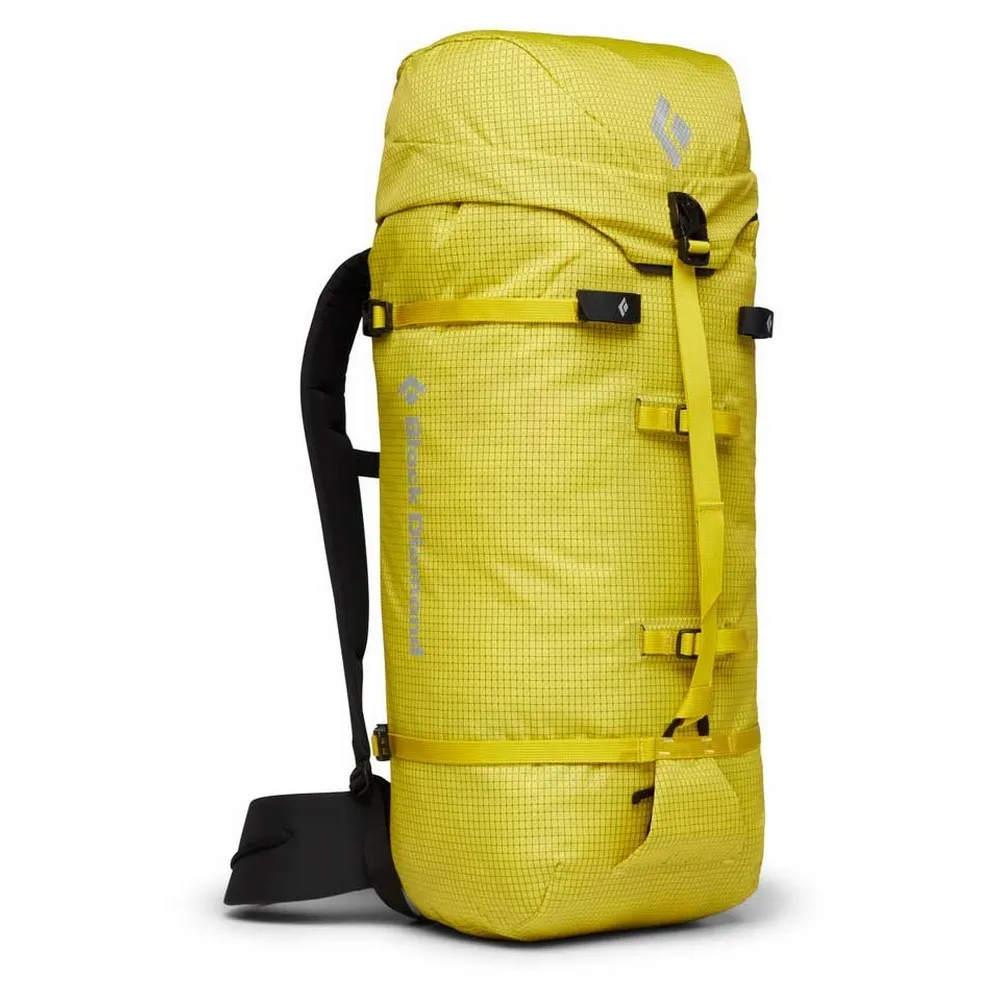
25 to 35-liter backpack.
It’s the one you will carry during the trek. It should only contain your water, some warm clothing, and snacks. If it's not waterproof, we recommend buying a cover (available in Nepal).
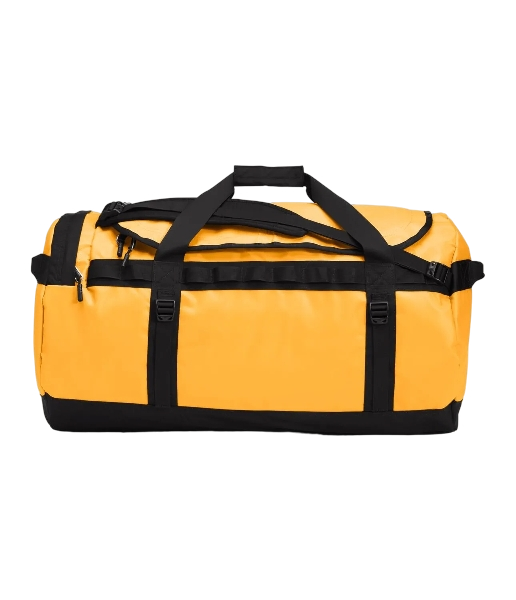
Duffle Bag
95 liters. This luggage is carried by the porter, with a maximum of 15 kilos of your clothes and gear. We have the 14 Peaks Latam ones for sale, ask for the price. We recommend locking it with a padlock.
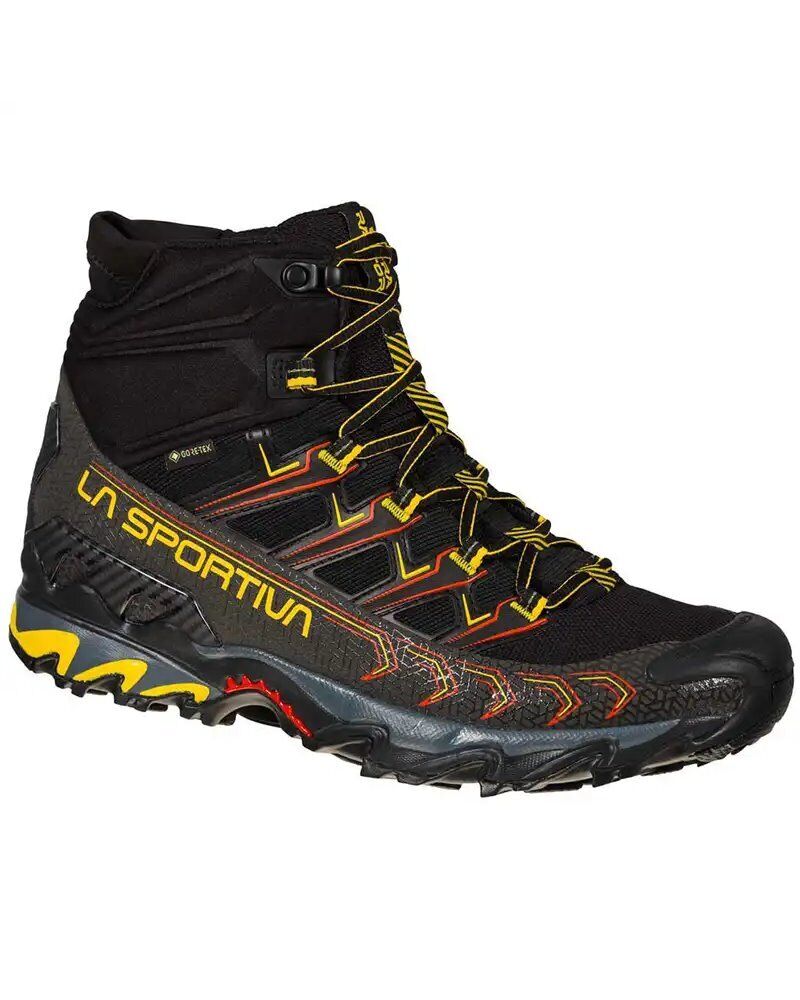
Trekking boots.
Lightweight and waterproof, for trekking with ankle protection.
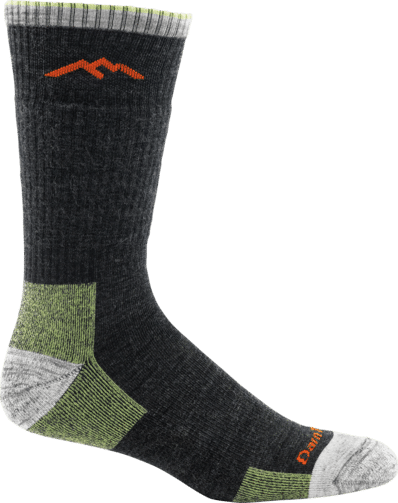
Thin trekking socks (3 pairs).
3 pairs, they should cover the end of the boot.
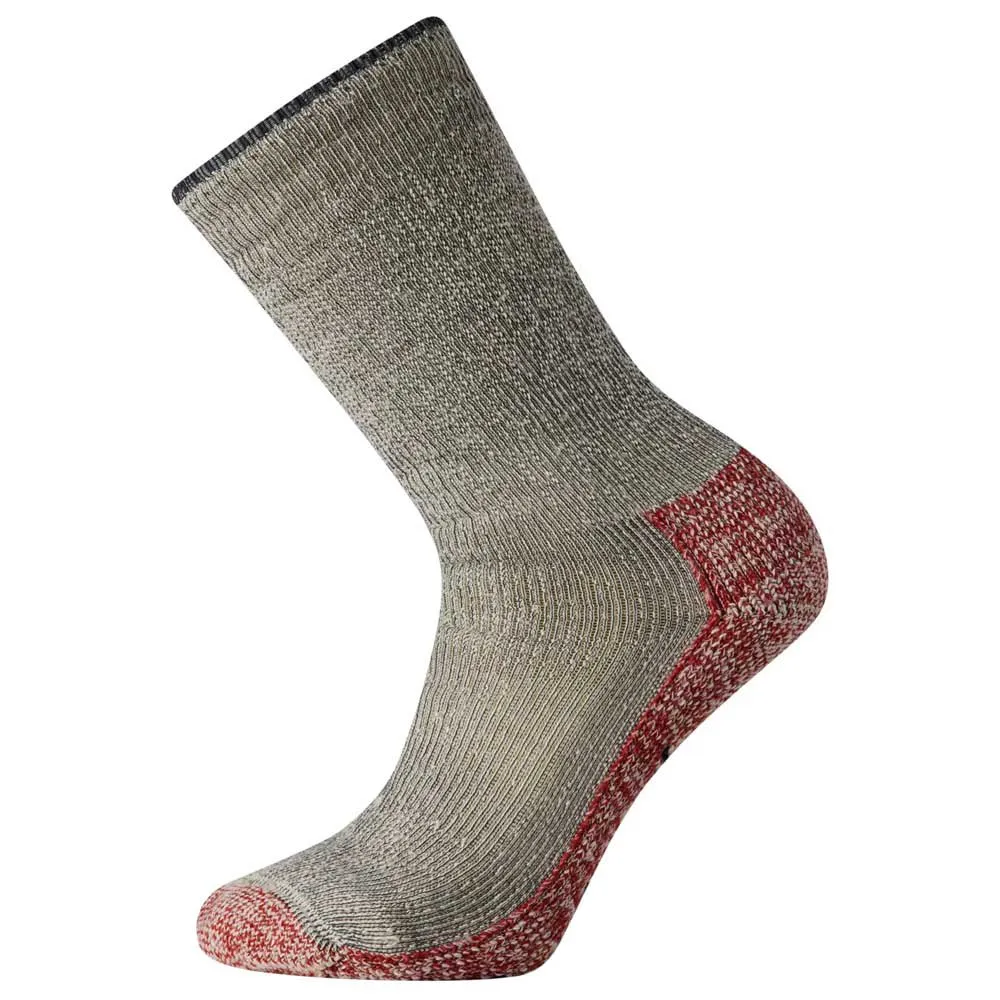
Thick trekking socks (1 pair).
One pair for sleeping or for the night at base camp.
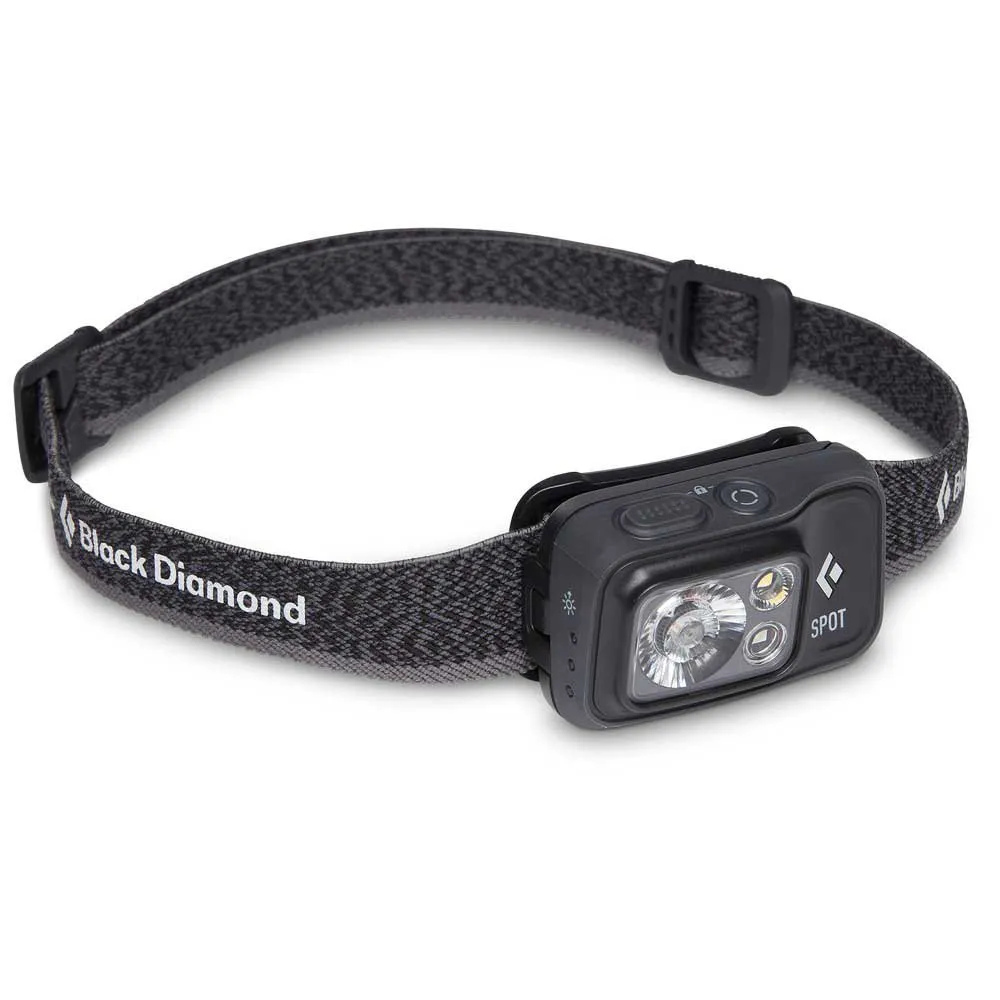
Headlamp.
Check that it's charged or bring spare batteries.
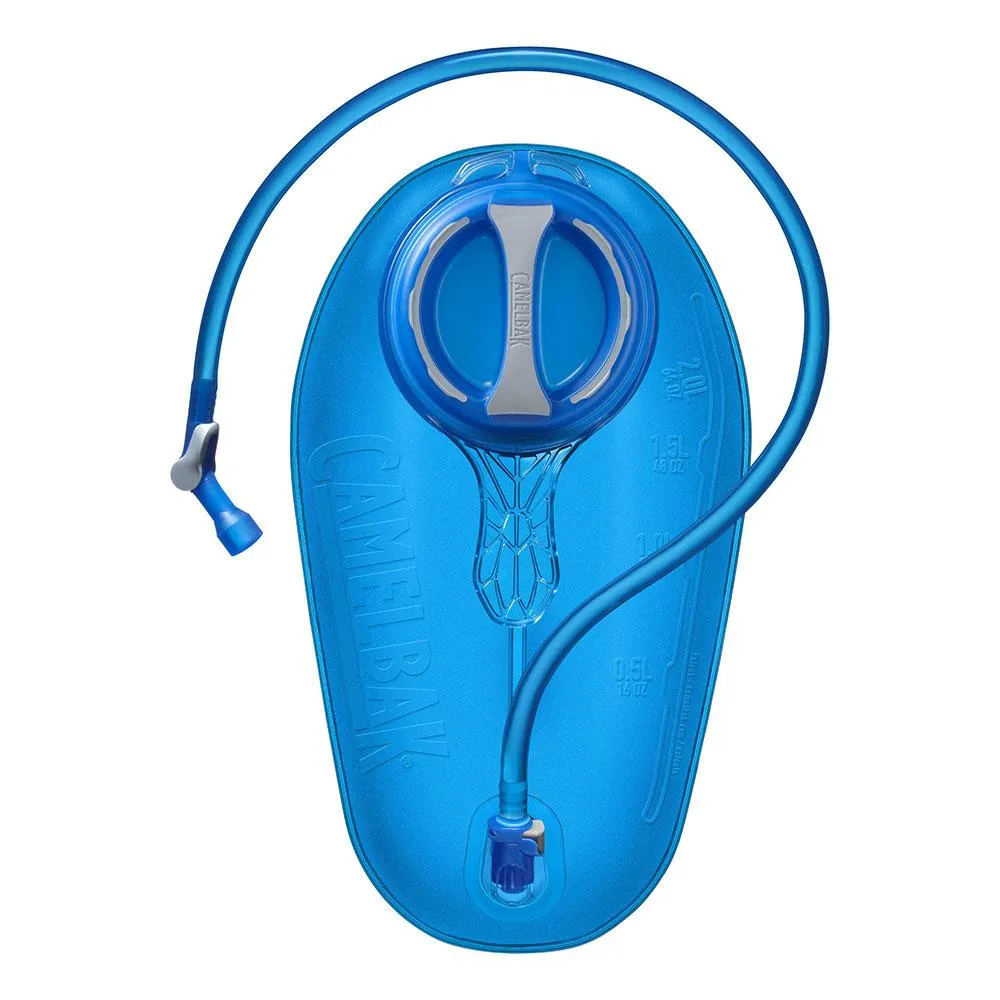
Camelback (optional)
A 2-liter water reservoir, suitable for when temperatures are not below freezing, for people who are used to using them. In addition to this, two 1-liter bottles are also required.
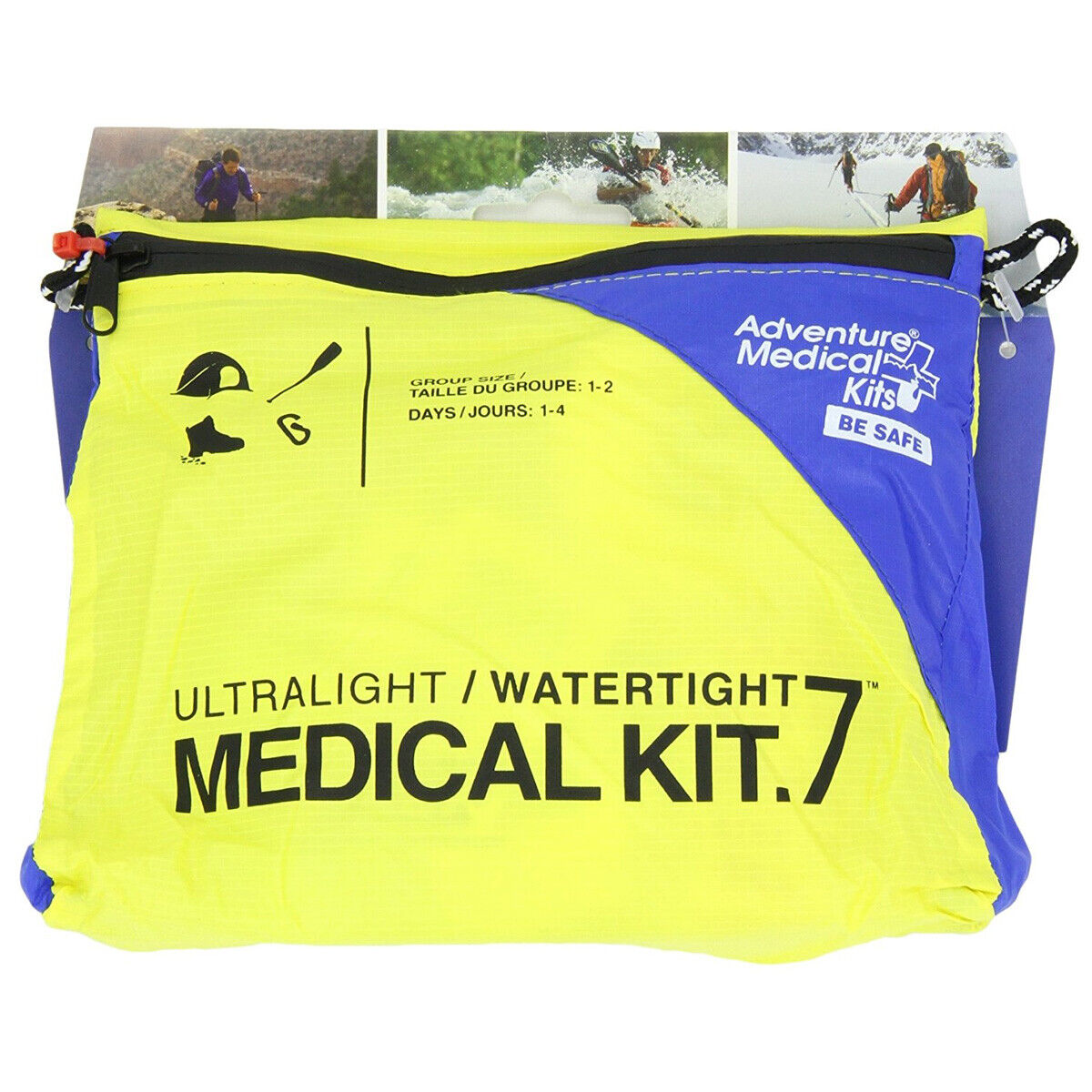
First aid kit with basic medications.
We recommend bringing antibiotics, medications for diarrhea, muscle relaxants, pain relievers like ibuprofen or paracetamol, and cough medicine. Important: bring injectable dexamethasone and a syringe for possible pulmonary edema (emergency cases), nifedipine, and acetazolamide to prevent altitude sickness. Blister patches (available on Amazon) and hand sanitizer gel.
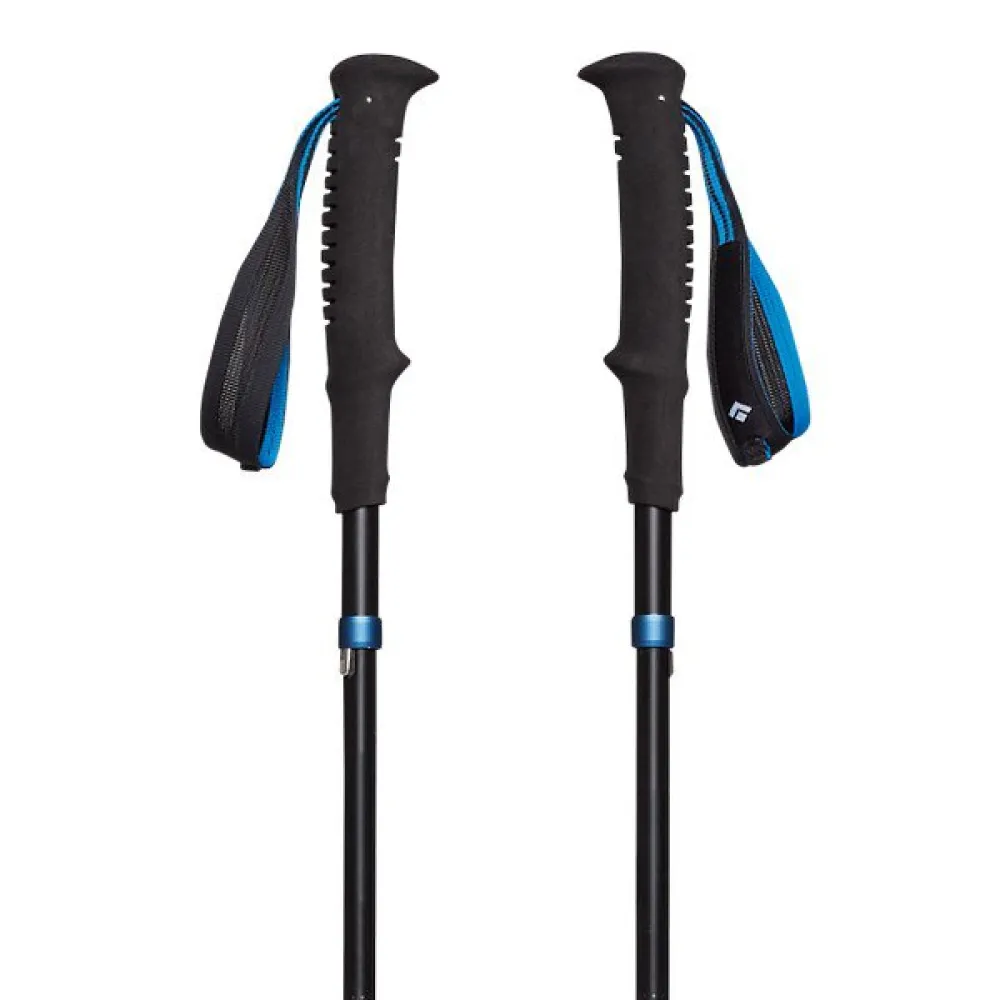
Trekking poles
Adjustable trekking poles.
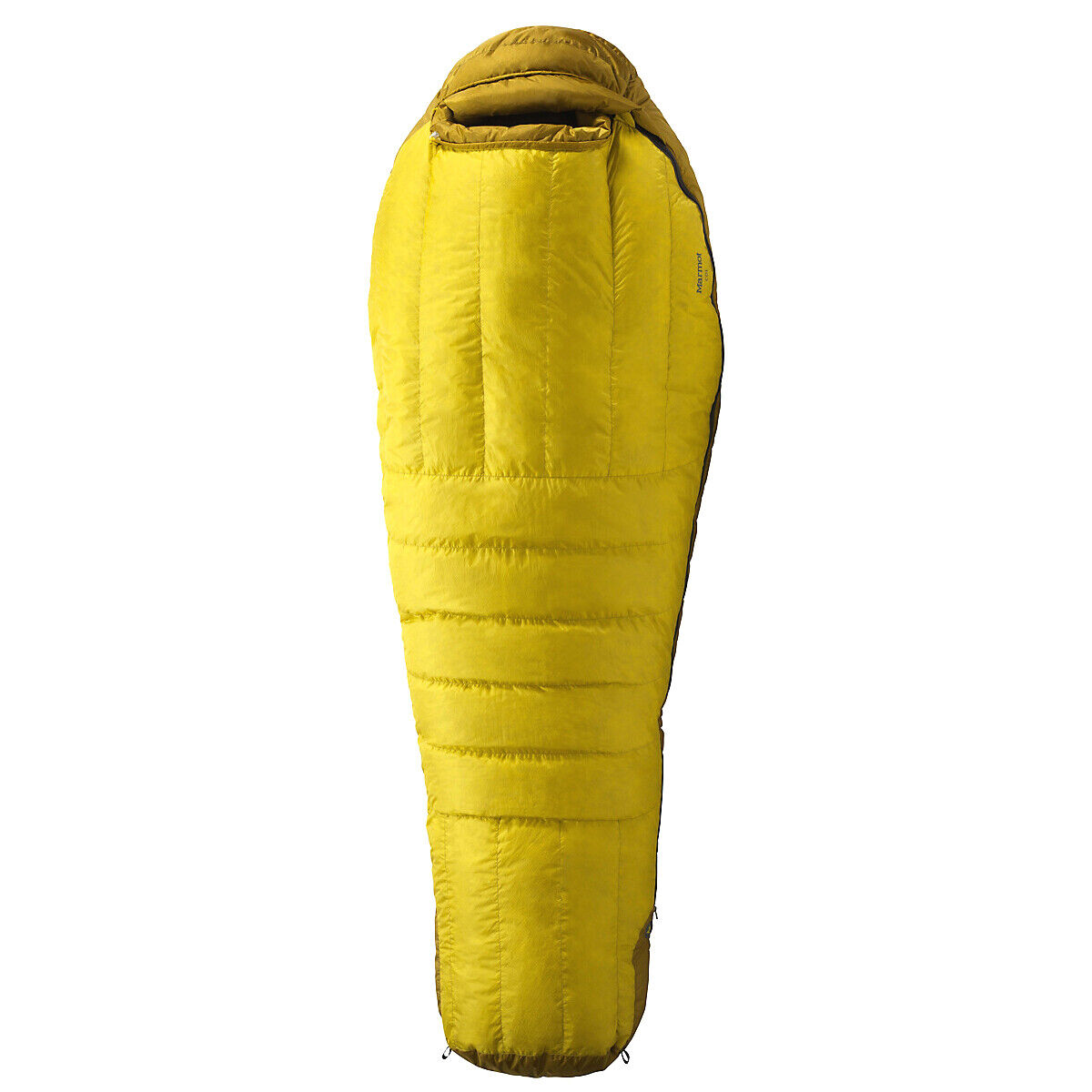
Sleeping bag -20
Mandatory for the April group (only if staying overnight at base camp). For the October group, it’s recommended only for people who feel very cold, and a -5°C sleeping bag is sufficient. They can be purchased in Nepal.
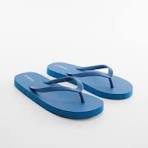
Flip-flops for the shower.
The lightest ones you can find.

Earplugs.
Sometimes there is noise in the lodges from other groups leaving at different times, so we recommend gel earplugs as they block out more sound.

Toiletries kit
Wet wipes, small soap, shampoo (no more than 100 milliliters), deodorant, toothpaste, nail clippers, feminine hygiene products.
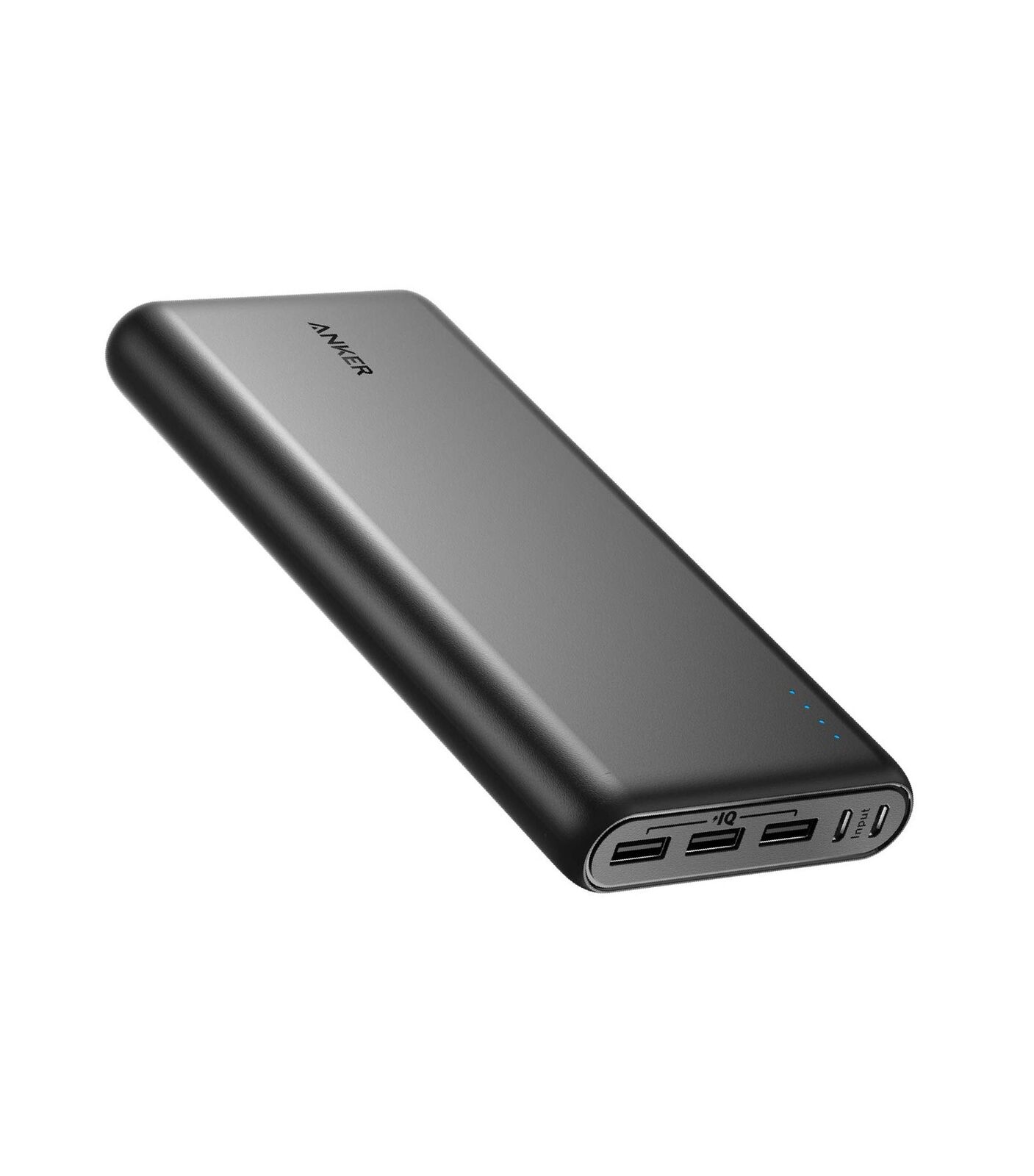
Extra battery (optional).
Some lodges don't have outlets in the rooms to charge your devices, so we recommend bringing a power bank.
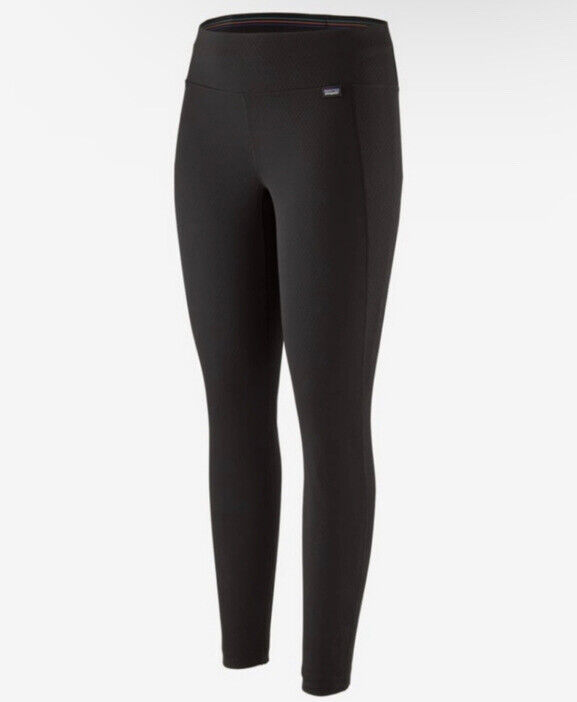
First thermal layer (bottom) (1).
We recommend a lightweight one that is not made of cotton. You can also use it as pajamas.
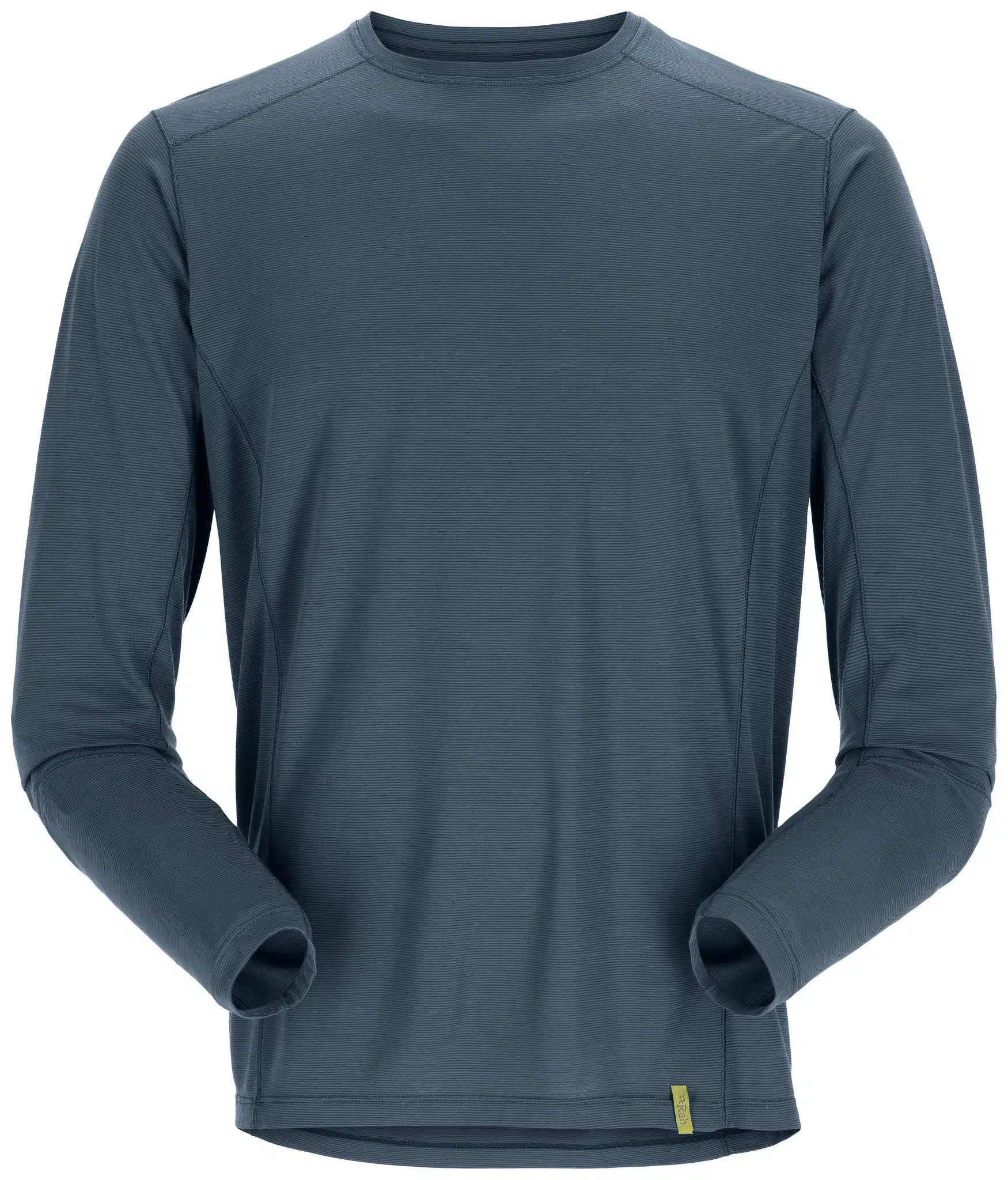
First thermal layer (top) (2).
Just like the bottom layer, it should be synthetic, not cotton.
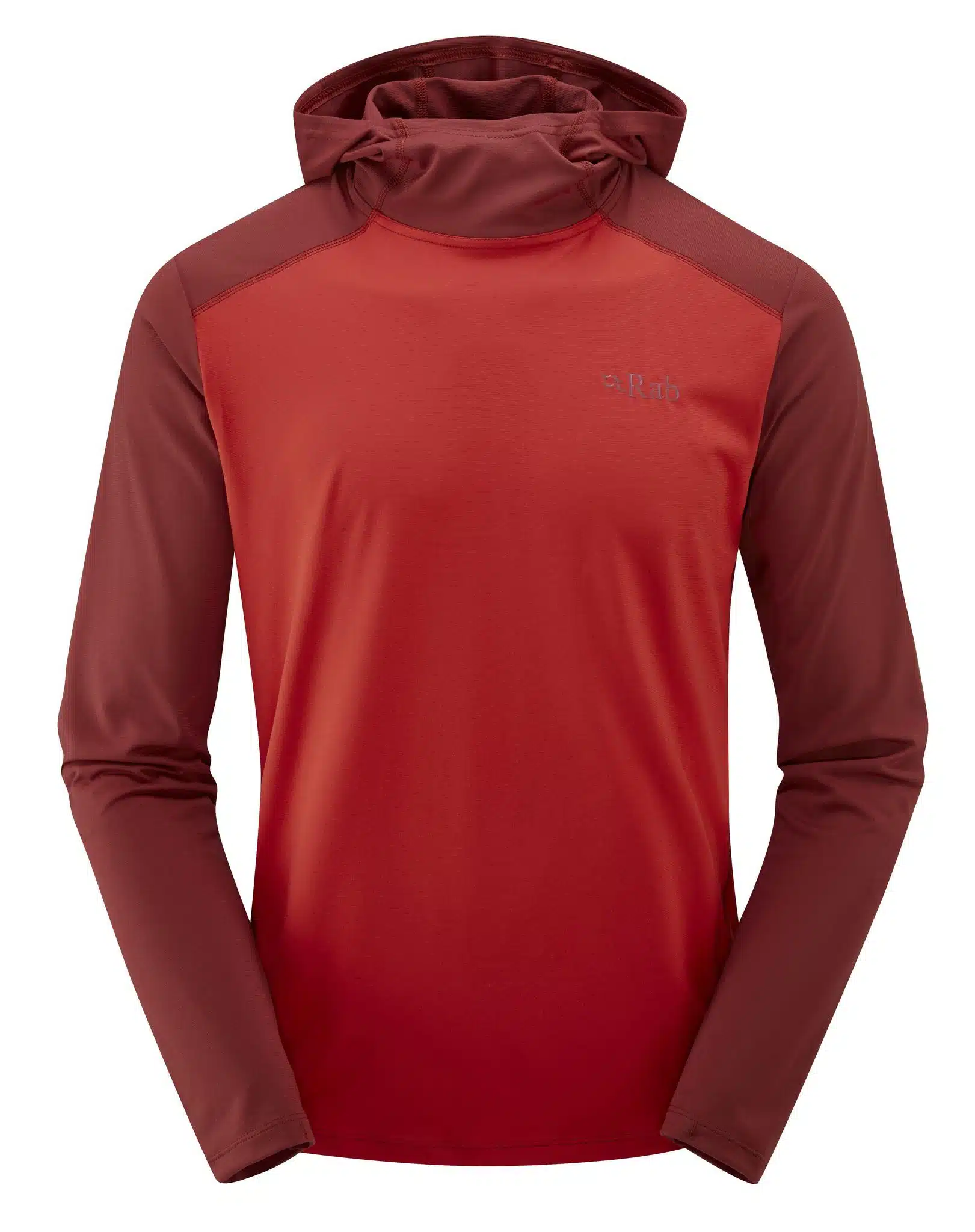
T Shirt (2)
They can be sun shirts with UV protection, or synthetic ones, preferably long-sleeved with a hoodie.
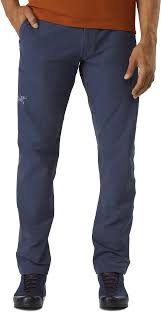
Trekking pants (2).
They are not waterproof; they are comfortable pants for hiking. For women, we recommend 1 pair of leggings and a thicker pair of pants. Men can bring a lighter pair for the first days and a warmer pair for the last days.
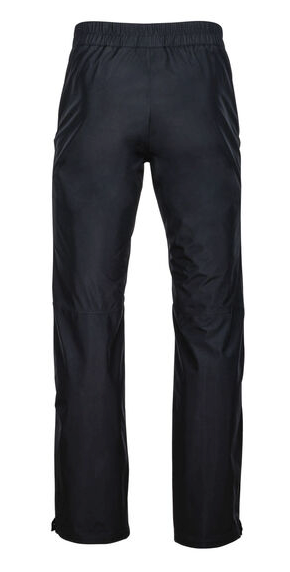
Waterproof pants (1).
Pants with full zippers on the sides are better. They should be large enough to wear over your trekking pants.
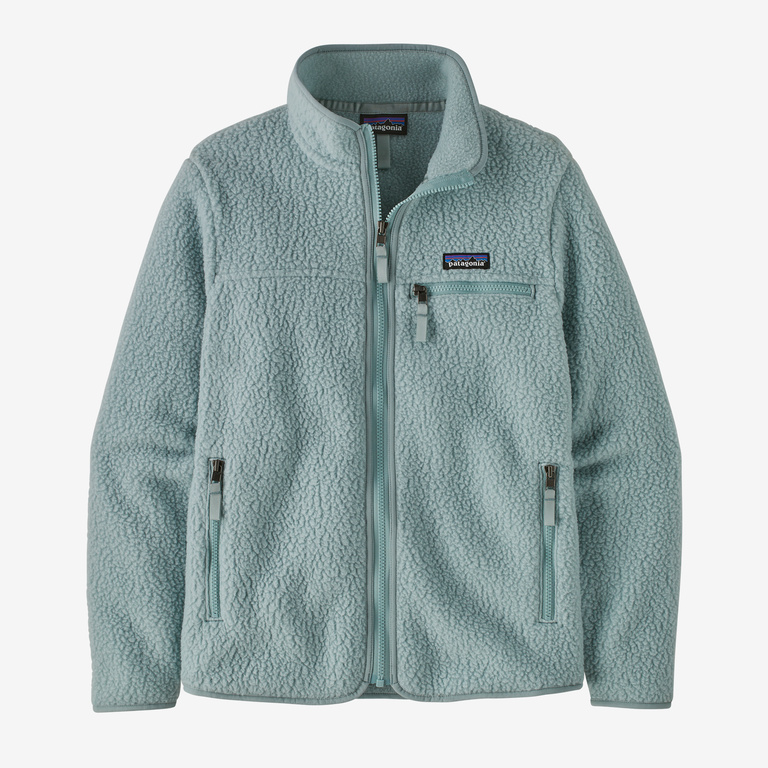
Polar o fleece (1)
It’s your second upper layer, worn under the down jacket. Preferably with a hood and a full zipper.
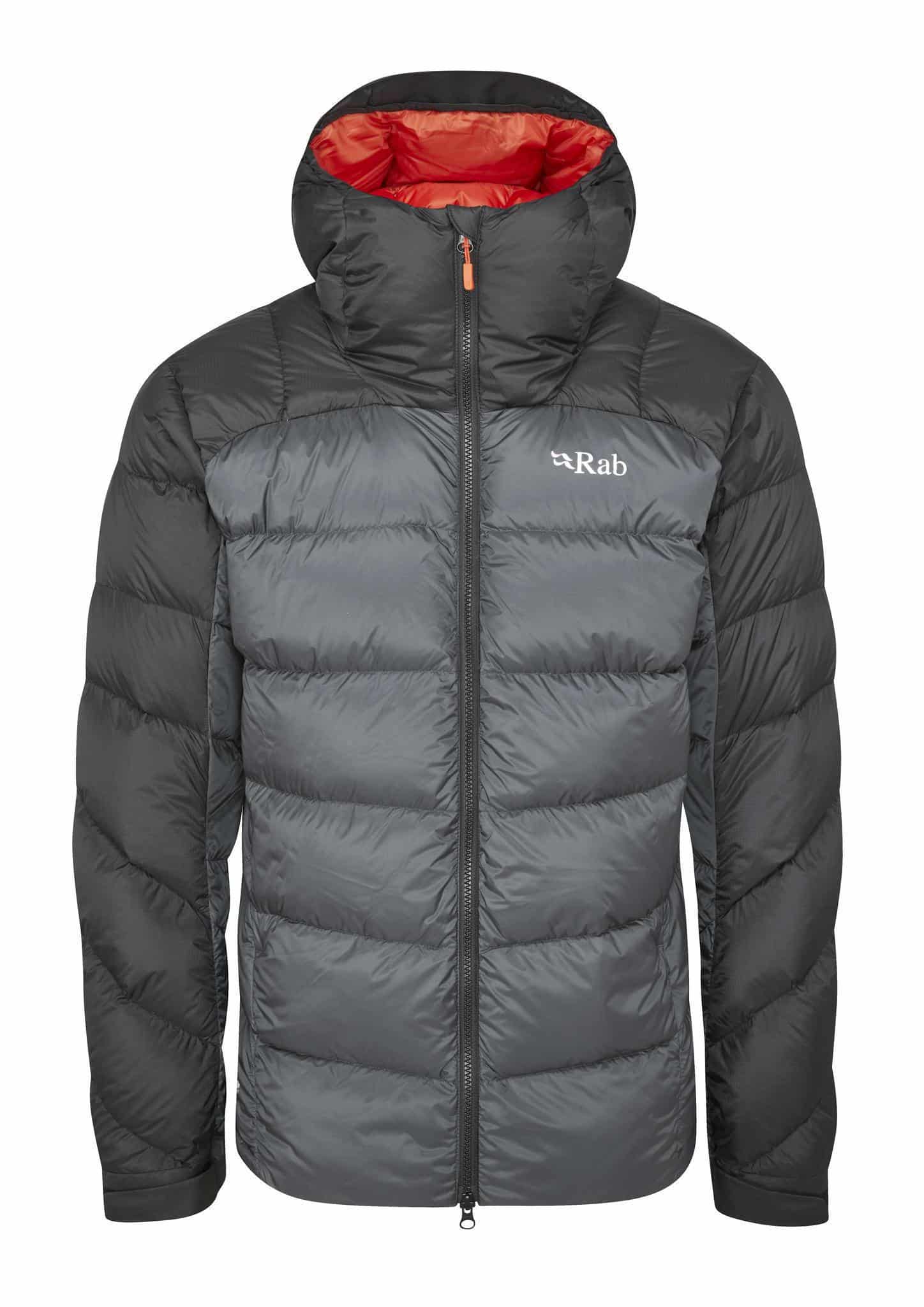
Down jacket (1).
With high-quality down insulation, not too lightweight, and with a hood.
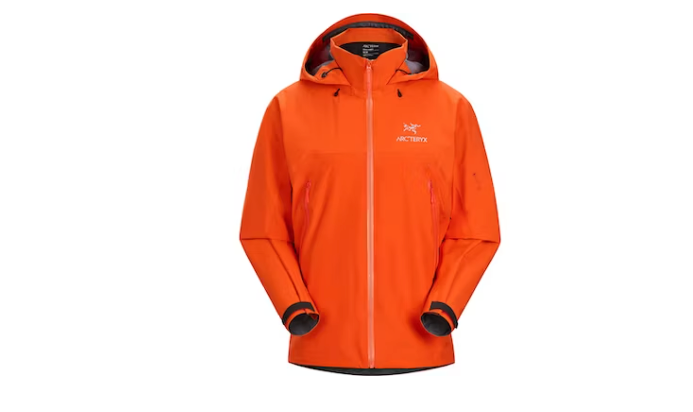
Waterproof jacket (1).
Gore-Tex, with a hood, lightweight. It should be large enough to wear over the other layers.
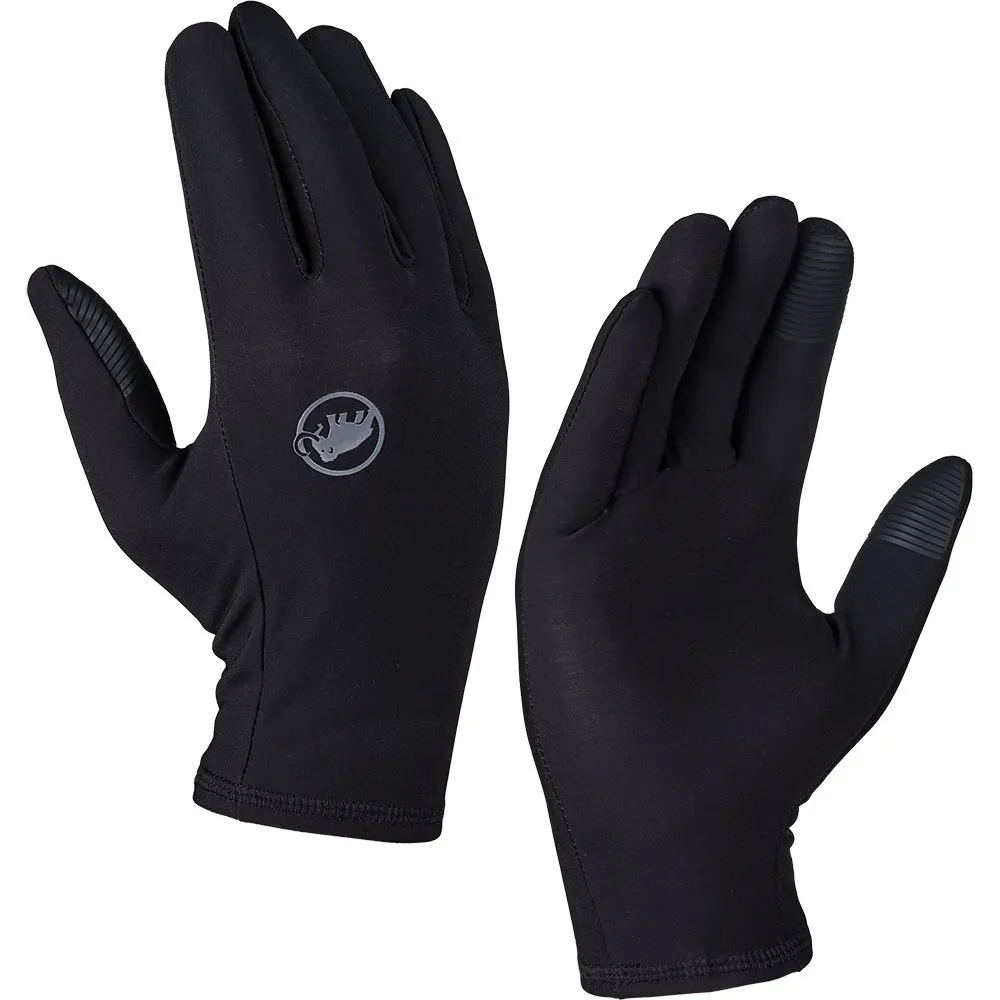
Thin gloves (1 or 2 pairs).
It's common for them to get wet on the way. If you have 2 pairs, you can bring both.
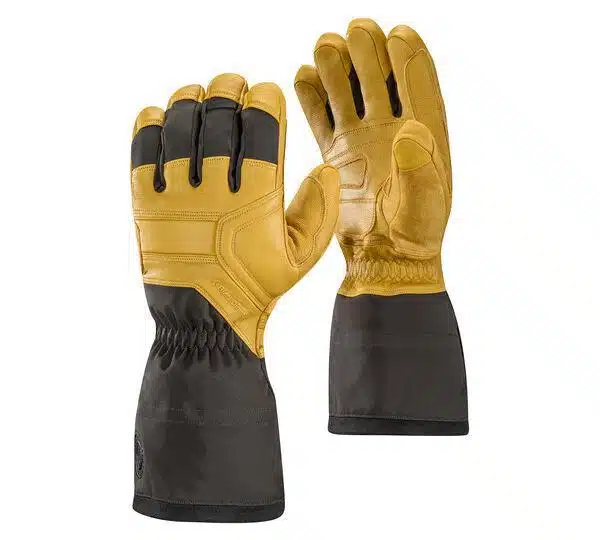
Thick gloves.
With removable liners, they are usually waterproof. We recommend those with a sturdy body or made of leather.
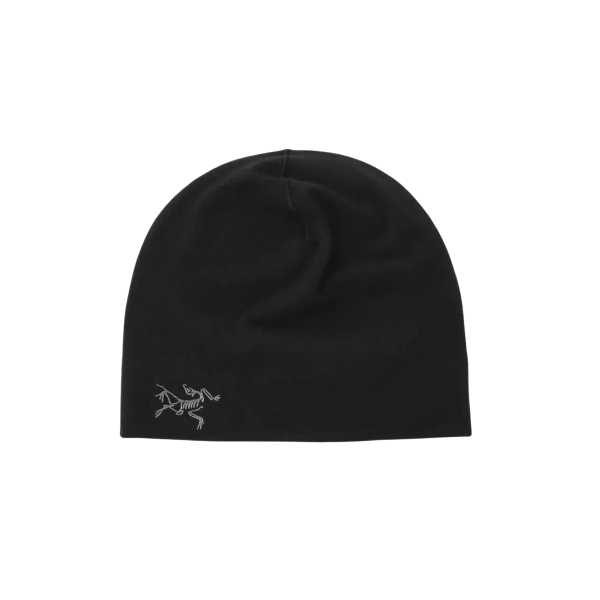
Warm hat (1)
It should cover the ears, made of wool or merino.
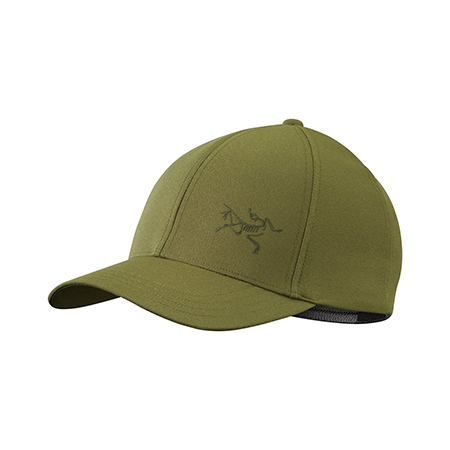
Hat (1)

Buff (2)
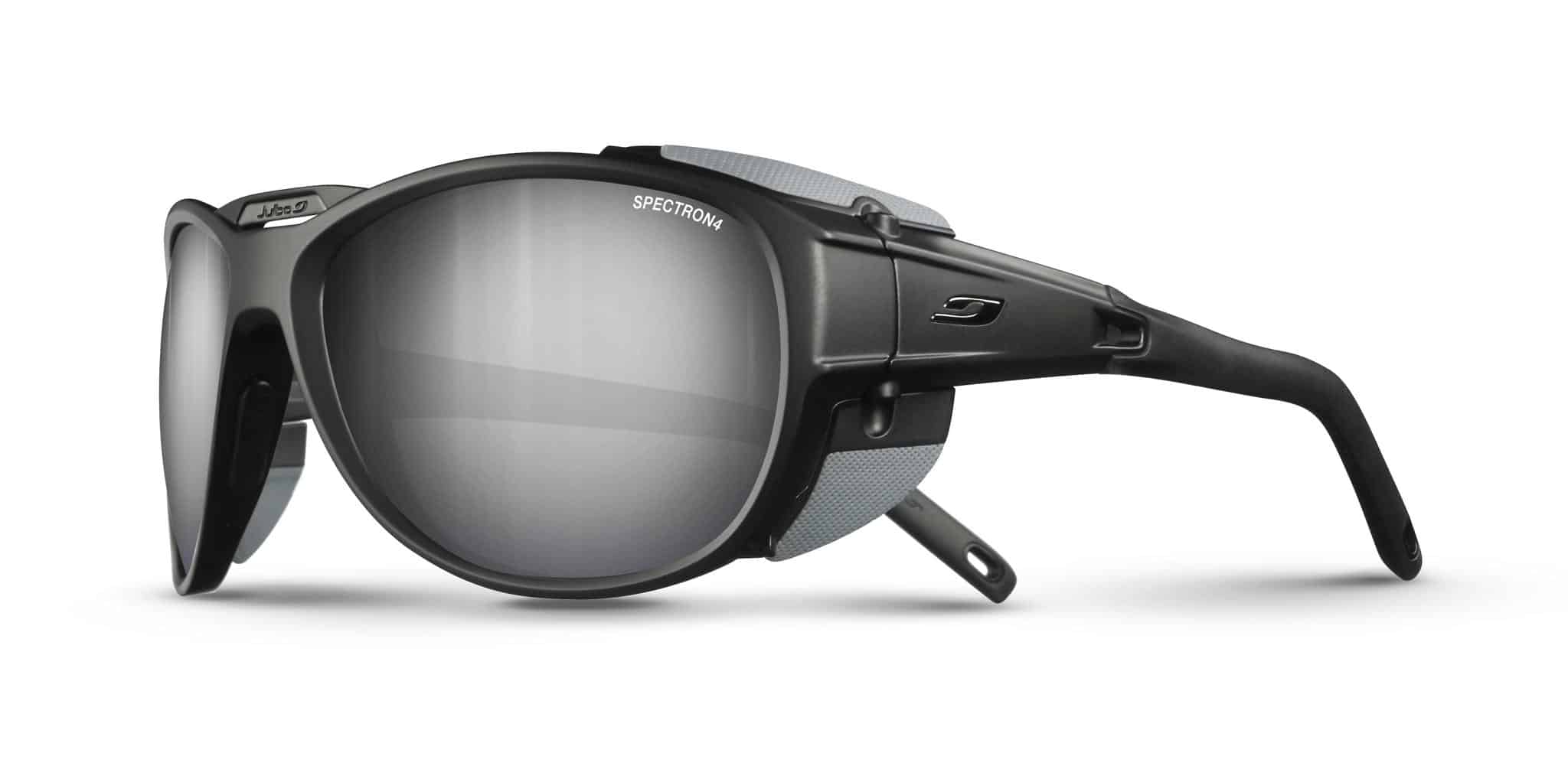
Sunglasses with UV filter.
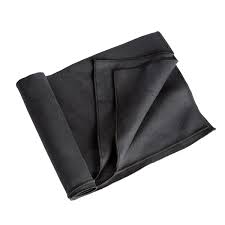
Towel (1)
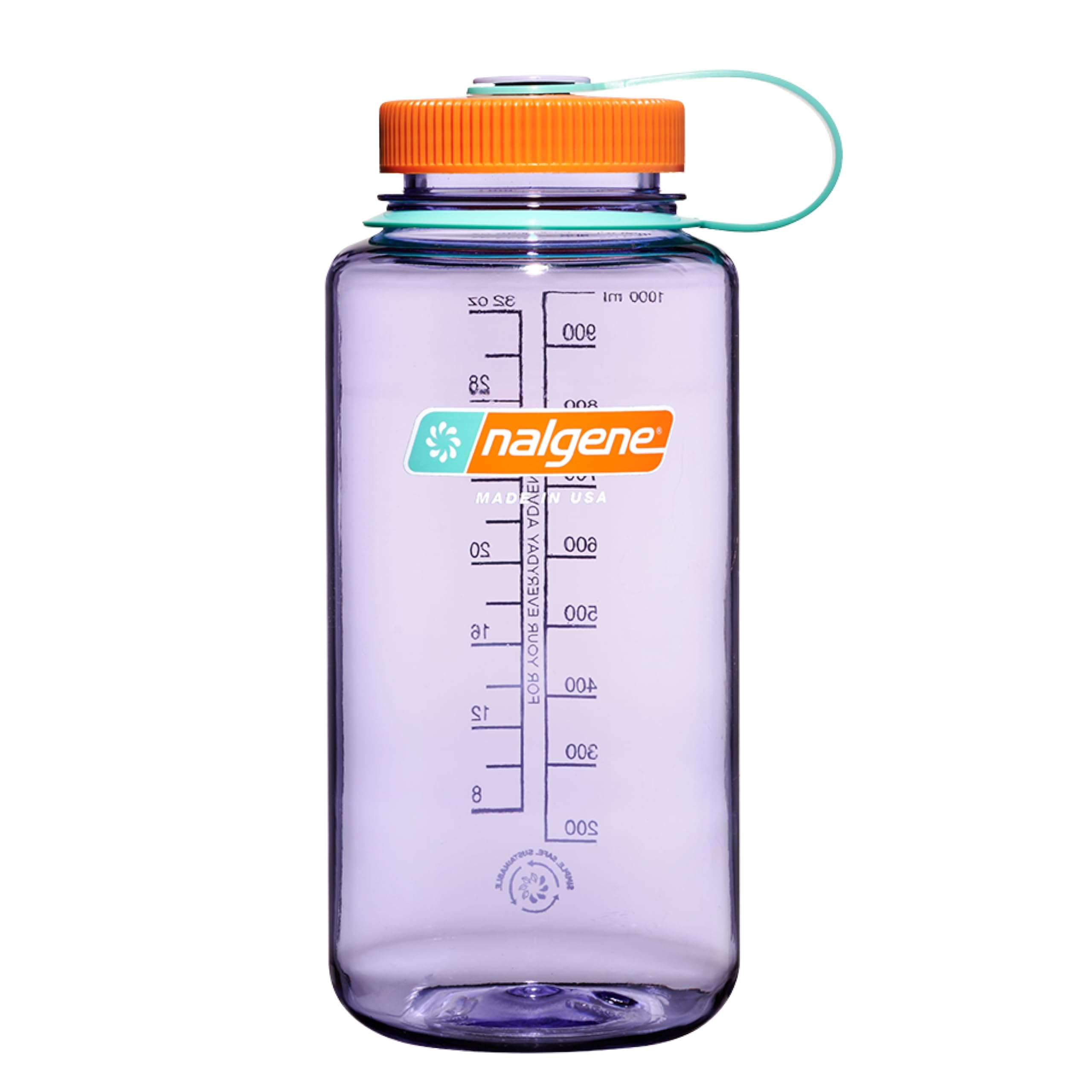
Nalgene bottles (2).
Two 1-liter bottles.
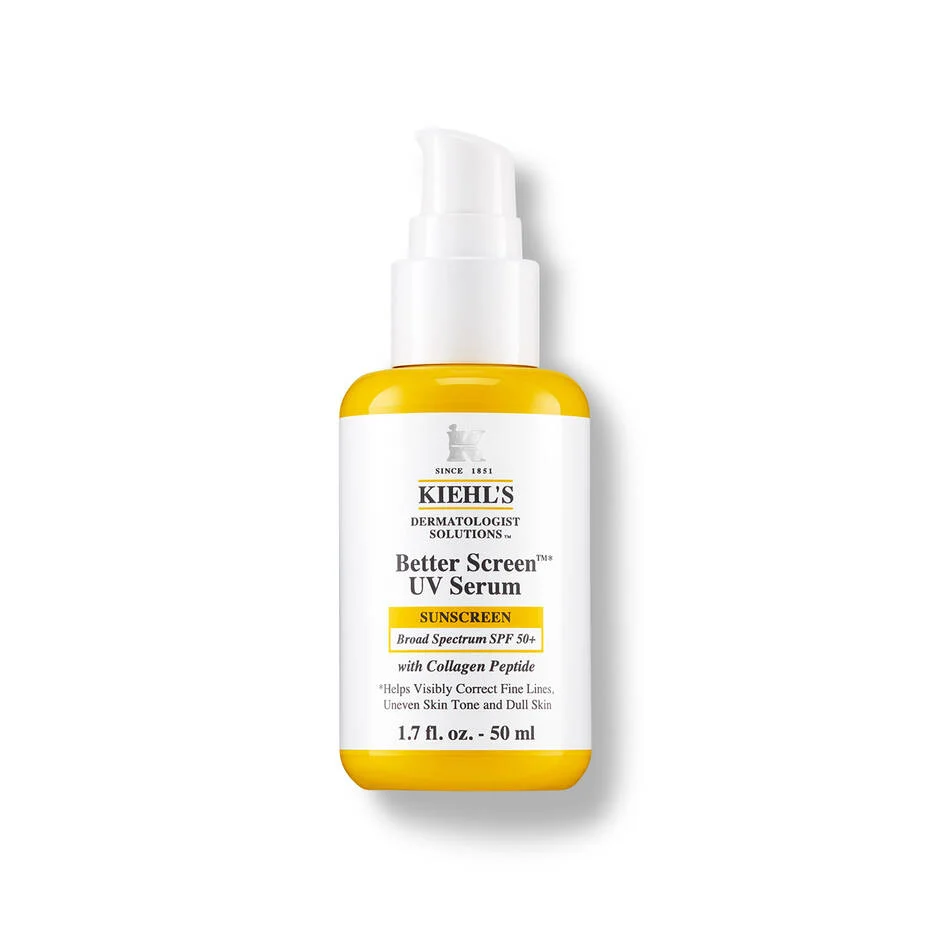
Sunscreen and lip balm with sun protection.

Snacks or energy gels.
It’s not necessary to bring a lot of weight in this, as we will always stop halfway to have lunch. You can bring an energy gel for the heavier days.
Additional equipment required:
FAQ
Anyone in good physical condition can complete the trek, as the terrain is non-technical and, with proper acclimatization, it’s not considered difficult. However, we recommend doing consistent cardiovascular training at least three months prior to the trip to enhance your endurance and enjoy the experience with less effort.
This is a moderately challenging expedition. While the hikes themselves are not difficult, spending 12 days at high altitude and reaching 5,364 meters makes some days more demanding.
We carefully select the best lodges along the route, as we believe that quality rest plays a key role in both comfort and success.
You’ll walk between 7 and 12 kilometers per day on easy terrain — mostly gradual paths and natural steps common in the Himalayas.
Focus on low-intensity endurance training to prepare your body for long days of hiking. Use stairs or a treadmill, walking very slowly at maximum incline (around 2.5 km/h). Combine this with core and strength exercises to build overall stability and endurance.
In the three months leading up to the trip, aim to train five times a week. Once a week, include a long walk of at least three hours — or, ideally, a full-day hike of about six hours.
The better you train, the more you’ll enjoy the expedition.
The best months to trek are from March to May and from October to November, when weather conditions are generally the most stable.
The main difference between both seasons is that in April, the Everest Base Camp is fully set up with climbers preparing for their summit attempts — an extraordinary time to be there. During this season, our group also spends one night at Base Camp, adding a truly unique experience to the journey.
Yes, the visa for Nepal can be obtained upon arrival by paying 50 USD at the airport.
Travelers with a layover in the United States should note that a U.S. transit or entry visa is also required.
From Latin America, we generally fly with Emirates or Qatar Airways, with layovers in Barcelona and Dubai. It’s also worth checking flights through the United States, as they can sometimes offer more affordable fares.
n Kathmandu, we include 4 nights in a 5-star hotel (Aloft or similar). During the trek, we stay in carefully selected mountain lodges — most of them offering private bathrooms, hot showers, and electricity.
Above 5,000 meters, there are no bathrooms inside the rooms because the water freezes, but this applies to only two nights. 14 Peaks Latam chooses the most comfortable and charming lodges available; however, it’s important to understand that as we gain altitude, accommodations become more basic. The final two villages are more similar to mountain refuges than traditional hotels.
At a relaxed pace, we usually walk for about 3 hours in the morning, take a one-hour break for lunch, and finish the day with another 3 hours of hiking in the afternoon.
We carefully select all our guides for their experience, professionalism, and deep knowledge of the mountains.
Expeditions with fewer than 10 participants are led by our trusted local guiding team. For groups of more than 10, a Spanish-speaking team leader — such as Vanessa Estol or another experienced leader from our region — also joins the expedition.
Yes, in most villages along the route, you can buy internet cards to stay connected with your family and friends. On days with bad weather, the signal might be weak or unavailable, but for most of the trek, connectivity is possible.
Internet cards cost between 5 and 10 USD, depending on the altitude — the higher you go, the higher the price tends to be.
At the start of the trek, you’ll enjoy three hearty meals per day, all included.
For each meal, you can choose one dish from an extensive menu — the portions are generous, so it’s usually more than enough. If you’d like extra items, you can order them at an additional cost.
Lunch is typically served at a tea house along the trail. Meals are prepared with fresh, organic ingredients from local villages and are rich in carbohydrates to provide the energy needed for the hikes.
One of our porters will boil water daily to supply 2 liters of purified water in the morning and another 2 liters at night. Unlimited tea is available throughout the trek, and you can also purchase soft drinks or bottled water along the way.
The temperature gradually drops as we get closer to Base Camp.
Nights and early mornings are the coldest, with temperatures at Base Camp reaching as low as -17°C. During the day, when the sun is out, it can warm up to around 20°C.
It’s essential to pack several layers of clothing to stay comfortable and prepared for these wide temperature changes.
Walking slowly, staying well hydrated (at least 3 liters of water per day), eating properly, and getting good rest are key to acclimatizing well. It’s very important to follow the guides’ recommendations and not try to rush or speed up your pace.
There are no refunds for cancellations or for being unable to reach the objectives due to weather conditions or circumstances beyond our control.
If you need to cancel, you may transfer your spot to another person who meets the physical requirements to complete the expedition.
This expedition includes the round-trip flight to Lukla.
We usually depart from Kathmandu, but sometimes the local airport closes, requiring a 6-hour drive to another airport called Ramechap. To avoid this transfer, some participants choose to upgrade to a helicopter flight from Kathmandu to Lukla for an additional cost — this option requires a minimum of 5 passengers to fill the helicopter.
Please keep in mind that this is an adventure trip to a remote mountain region, and flight schedules can be affected by weather conditions. When the weather is poor, flights are often delayed or canceled, and patience is essential. For everyone’s safety, pilots will not fly if conditions are not suitable.
Our itinerary includes buffer days to accommodate possible delays, but we always recommend booking international flights with flexible change policies to avoid complications.
Yes, it is mandatory to have rescue and evacuation insurance. We recommend Global Rescue. Make sure to add the high-altitude coverage.
Yes, the hotels we work with have storage facilities where you can safely leave any belongings you won’t need during the trek.
You have a porter included who will carry 15 kg of weight. It’s important not to bring more than that, as it is the allowed weight for the internal flight. The total allowed weight is 15 kg (this includes your clothes, electronics, wet wipes, medications, etc.).
During the hike, clients carry a small backpack with only their water, jacket, rain gear, and personal items needed for the trek.
You will share a room with one person. If you prefer a single room, it is possible for an additional cost of 900 dollars. It’s important to inform us in advance because we make reservations many months ahead, and we cannot guarantee availability if this is requested at the last minute.
Throughout most of the trek, there are showers, except for the last 2 lodges.
In all the towns where it’s possible, we have private bathrooms and showers. In Lobuche, the bathroom is outside the room, but there is the possibility of taking a shower, and the cost is between 6-8 dollars.
We recommend buying everything there. The best mountain brands have stores in Kathmandu, and the prices are more affordable than in our countries. We have a day set aside for this, and we will accompany you to assist you.
We suggest the following:
- 50 dollars for the visa
- 350 dollars for tips (local guides, porters, etc. This money is shared among them)
- 200-300 dollars for extras during the trek (coffee, alcoholic drinks, soft drinks, internet, desserts)
- Money for souvenirs and gifts
- Money for an extra night at the hotel if you return earlier (you have 4 nights of hotel included in Kathmandu; if the buffer day due to bad weather is not used and we return earlier, that night in the city is not included).
It’s important to ask for 100-dollar bills when exchanging money. Make sure they are not torn, marked, or stamped. They check if the bills look new, and if not, they often won’t accept them.
We recommend bringing antibiotics for possible stomach or throat infections, cold medicine, something for diarrhea, ibuprofen, something for blisters, and the usual medications for altitude sickness such as acetazolamide, injectable dexamethasone with a syringe, an oximeter, and nifedipine.
No, the itinerary is tentative because you’re embarking on an adventure trip to a remote location in the mountains, where exactness cannot be guaranteed. Since 2016, we have been doing this trek twice a year, and so far, with this itinerary, no one has missed their international return flight. However, on some occasions, we’ve had to wait 2 or 3 days for flights to Lukla or Kathmandu.
For the October trip, no, unless you’re particularly sensitive to the cold, as the mountain lodges provide bedding.
For the April trip, a -20 sleeping bag is necessary because we spend the night at base camp, and it gets very cold.
Yes. We provide boiled water and try to promote its use to help protect the region, but you can buy bottled water if needed.
Included
- Airport-hotel-airport transfers
- 4 nights in Kathmandu hotel with breakfast included
- Internal flight to Lukla
- Trekking permits
- Accommodation in Tea Houses (mountain lodges during the trek)
- Breakfast, lunch, and dinner throughout the trek. À la carte. One item or dish from the menu included per meal.
- One porter for every two clients (15 kg per person)
- Trekking guides
- Spanish-speaking guide (minimum group of 9 people)
- Farewell dinner
- Helicopter flight from Periche to Lukla
Not Included
- International flight, taxes, and visas
- Accommodation in Kathmandu for extra nights not included in this itinerary
- Personal equipment
- Meals and dinners in KTM (during the trekking they are included)
- Alcoholic beverages.
- Extra expenses during the trekking (Wi-Fi, showers, battery charging, sodas, bottled water)
- Rescue/evacuation insurance (mandatory to purchase Global Rescue or similar)
- Extra rescue expenses or costs due to having to leave the expedition prematurely
- Tips for the staff (minimum suggested amount of $300 to distribute among porters and guides in Nepal)
- Expenses that may arise due to delays or events beyond our responsibility (flight delays, blocked roads, flights canceled due to weather conditions, natural disasters, etc.)
PAYMENT
Equipment list:
25 to 35-liter backpack.
It’s the one you will carry during the trek. It should only contain your water, some warm clothing, and snacks. If it's not waterproof, we recommend buying a cover (available in Nepal).
Duffle Bag
95 liters. This luggage is carried by the porter, with a maximum of 15 kilos of your clothes and gear. We have the 14 Peaks Latam ones for sale, ask for the price. We recommend locking it with a padlock.
Trekking boots.
Lightweight and waterproof, for trekking with ankle protection.
Thin trekking socks (3 pairs).
3 pairs, they should cover the end of the boot.
Thick trekking socks (1 pair).
One pair for sleeping or for the night at base camp.
Headlamp.
Check that it's charged or bring spare batteries.
Camelback (optional)
A 2-liter water reservoir, suitable for when temperatures are not below freezing, for people who are used to using them. In addition to this, two 1-liter bottles are also required.
First aid kit with basic medications.
We recommend bringing antibiotics, medications for diarrhea, muscle relaxants, pain relievers like ibuprofen or paracetamol, and cough medicine. Important: bring injectable dexamethasone and a syringe for possible pulmonary edema (emergency cases), nifedipine, and acetazolamide to prevent altitude sickness. Blister patches (available on Amazon) and hand sanitizer gel.
Trekking poles
Adjustable trekking poles.
Sleeping bag -20
Mandatory for the April group (only if staying overnight at base camp). For the October group, it’s recommended only for people who feel very cold, and a -5°C sleeping bag is sufficient. They can be purchased in Nepal.
Flip-flops for the shower.
The lightest ones you can find.
Earplugs.
Sometimes there is noise in the lodges from other groups leaving at different times, so we recommend gel earplugs as they block out more sound.
Toiletries kit
Wet wipes, small soap, shampoo (no more than 100 milliliters), deodorant, toothpaste, nail clippers, feminine hygiene products.
Extra battery (optional).
Some lodges don't have outlets in the rooms to charge your devices, so we recommend bringing a power bank.
First thermal layer (bottom) (1).
We recommend a lightweight one that is not made of cotton. You can also use it as pajamas.
First thermal layer (top) (2).
Just like the bottom layer, it should be synthetic, not cotton.
T Shirt (2)
They can be sun shirts with UV protection, or synthetic ones, preferably long-sleeved with a hoodie.
Trekking pants (2).
They are not waterproof; they are comfortable pants for hiking. For women, we recommend 1 pair of leggings and a thicker pair of pants. Men can bring a lighter pair for the first days and a warmer pair for the last days.
Waterproof pants (1).
Pants with full zippers on the sides are better. They should be large enough to wear over your trekking pants.
Polar o fleece (1)
It’s your second upper layer, worn under the down jacket. Preferably with a hood and a full zipper.
Down jacket (1).
With high-quality down insulation, not too lightweight, and with a hood.
Waterproof jacket (1).
Gore-Tex, with a hood, lightweight. It should be large enough to wear over the other layers.
Thin gloves (1 or 2 pairs).
It's common for them to get wet on the way. If you have 2 pairs, you can bring both.
Thick gloves.
With removable liners, they are usually waterproof. We recommend those with a sturdy body or made of leather.
Warm hat (1)
It should cover the ears, made of wool or merino.
Hat (1)
Buff (2)
Sunglasses with UV filter.
Towel (1)
Nalgene bottles (2).
Two 1-liter bottles.
Sunscreen and lip balm with sun protection.
Snacks or energy gels.
It’s not necessary to bring a lot of weight in this, as we will always stop halfway to have lunch. You can bring an energy gel for the heavier days.
Additional equipment required:
FAQ
Anyone in good physical condition can complete the trek, as the terrain is non-technical and, with proper acclimatization, it’s not considered difficult. However, we recommend doing consistent cardiovascular training at least three months prior to the trip to enhance your endurance and enjoy the experience with less effort.
This is a moderately challenging expedition. While the hikes themselves are not difficult, spending 12 days at high altitude and reaching 5,364 meters makes some days more demanding.
We carefully select the best lodges along the route, as we believe that quality rest plays a key role in both comfort and success.
You’ll walk between 7 and 12 kilometers per day on easy terrain — mostly gradual paths and natural steps common in the Himalayas.
Focus on low-intensity endurance training to prepare your body for long days of hiking. Use stairs or a treadmill, walking very slowly at maximum incline (around 2.5 km/h). Combine this with core and strength exercises to build overall stability and endurance.
In the three months leading up to the trip, aim to train five times a week. Once a week, include a long walk of at least three hours — or, ideally, a full-day hike of about six hours.
The better you train, the more you’ll enjoy the expedition.
The best months to trek are from March to May and from October to November, when weather conditions are generally the most stable.
The main difference between both seasons is that in April, the Everest Base Camp is fully set up with climbers preparing for their summit attempts — an extraordinary time to be there. During this season, our group also spends one night at Base Camp, adding a truly unique experience to the journey.
Yes, the visa for Nepal can be obtained upon arrival by paying 50 USD at the airport.
Travelers with a layover in the United States should note that a U.S. transit or entry visa is also required.
From Latin America, we generally fly with Emirates or Qatar Airways, with layovers in Barcelona and Dubai. It’s also worth checking flights through the United States, as they can sometimes offer more affordable fares.
n Kathmandu, we include 4 nights in a 5-star hotel (Aloft or similar). During the trek, we stay in carefully selected mountain lodges — most of them offering private bathrooms, hot showers, and electricity.
Above 5,000 meters, there are no bathrooms inside the rooms because the water freezes, but this applies to only two nights. 14 Peaks Latam chooses the most comfortable and charming lodges available; however, it’s important to understand that as we gain altitude, accommodations become more basic. The final two villages are more similar to mountain refuges than traditional hotels.
At a relaxed pace, we usually walk for about 3 hours in the morning, take a one-hour break for lunch, and finish the day with another 3 hours of hiking in the afternoon.
We carefully select all our guides for their experience, professionalism, and deep knowledge of the mountains.
Expeditions with fewer than 10 participants are led by our trusted local guiding team. For groups of more than 10, a Spanish-speaking team leader — such as Vanessa Estol or another experienced leader from our region — also joins the expedition.
Yes, in most villages along the route, you can buy internet cards to stay connected with your family and friends. On days with bad weather, the signal might be weak or unavailable, but for most of the trek, connectivity is possible.
Internet cards cost between 5 and 10 USD, depending on the altitude — the higher you go, the higher the price tends to be.
At the start of the trek, you’ll enjoy three hearty meals per day, all included.
For each meal, you can choose one dish from an extensive menu — the portions are generous, so it’s usually more than enough. If you’d like extra items, you can order them at an additional cost.
Lunch is typically served at a tea house along the trail. Meals are prepared with fresh, organic ingredients from local villages and are rich in carbohydrates to provide the energy needed for the hikes.
One of our porters will boil water daily to supply 2 liters of purified water in the morning and another 2 liters at night. Unlimited tea is available throughout the trek, and you can also purchase soft drinks or bottled water along the way.
The temperature gradually drops as we get closer to Base Camp.
Nights and early mornings are the coldest, with temperatures at Base Camp reaching as low as -17°C. During the day, when the sun is out, it can warm up to around 20°C.
It’s essential to pack several layers of clothing to stay comfortable and prepared for these wide temperature changes.
Walking slowly, staying well hydrated (at least 3 liters of water per day), eating properly, and getting good rest are key to acclimatizing well. It’s very important to follow the guides’ recommendations and not try to rush or speed up your pace.
There are no refunds for cancellations or for being unable to reach the objectives due to weather conditions or circumstances beyond our control.
If you need to cancel, you may transfer your spot to another person who meets the physical requirements to complete the expedition.
This expedition includes the round-trip flight to Lukla.
We usually depart from Kathmandu, but sometimes the local airport closes, requiring a 6-hour drive to another airport called Ramechap. To avoid this transfer, some participants choose to upgrade to a helicopter flight from Kathmandu to Lukla for an additional cost — this option requires a minimum of 5 passengers to fill the helicopter.
Please keep in mind that this is an adventure trip to a remote mountain region, and flight schedules can be affected by weather conditions. When the weather is poor, flights are often delayed or canceled, and patience is essential. For everyone’s safety, pilots will not fly if conditions are not suitable.
Our itinerary includes buffer days to accommodate possible delays, but we always recommend booking international flights with flexible change policies to avoid complications.
Yes, it is mandatory to have rescue and evacuation insurance. We recommend Global Rescue. Make sure to add the high-altitude coverage.
Yes, the hotels we work with have storage facilities where you can safely leave any belongings you won’t need during the trek.
You have a porter included who will carry 15 kg of weight. It’s important not to bring more than that, as it is the allowed weight for the internal flight. The total allowed weight is 15 kg (this includes your clothes, electronics, wet wipes, medications, etc.).
During the hike, clients carry a small backpack with only their water, jacket, rain gear, and personal items needed for the trek.
You will share a room with one person. If you prefer a single room, it is possible for an additional cost of 900 dollars. It’s important to inform us in advance because we make reservations many months ahead, and we cannot guarantee availability if this is requested at the last minute.
Throughout most of the trek, there are showers, except for the last 2 lodges.
In all the towns where it’s possible, we have private bathrooms and showers. In Lobuche, the bathroom is outside the room, but there is the possibility of taking a shower, and the cost is between 6-8 dollars.
We recommend buying everything there. The best mountain brands have stores in Kathmandu, and the prices are more affordable than in our countries. We have a day set aside for this, and we will accompany you to assist you.
We suggest the following:
- 50 dollars for the visa
- 350 dollars for tips (local guides, porters, etc. This money is shared among them)
- 200-300 dollars for extras during the trek (coffee, alcoholic drinks, soft drinks, internet, desserts)
- Money for souvenirs and gifts
- Money for an extra night at the hotel if you return earlier (you have 4 nights of hotel included in Kathmandu; if the buffer day due to bad weather is not used and we return earlier, that night in the city is not included).
It’s important to ask for 100-dollar bills when exchanging money. Make sure they are not torn, marked, or stamped. They check if the bills look new, and if not, they often won’t accept them.
We recommend bringing antibiotics for possible stomach or throat infections, cold medicine, something for diarrhea, ibuprofen, something for blisters, and the usual medications for altitude sickness such as acetazolamide, injectable dexamethasone with a syringe, an oximeter, and nifedipine.
No, the itinerary is tentative because you’re embarking on an adventure trip to a remote location in the mountains, where exactness cannot be guaranteed. Since 2016, we have been doing this trek twice a year, and so far, with this itinerary, no one has missed their international return flight. However, on some occasions, we’ve had to wait 2 or 3 days for flights to Lukla or Kathmandu.
For the October trip, no, unless you’re particularly sensitive to the cold, as the mountain lodges provide bedding.
For the April trip, a -20 sleeping bag is necessary because we spend the night at base camp, and it gets very cold.
Yes. We provide boiled water and try to promote its use to help protect the region, but you can buy bottled water if needed.
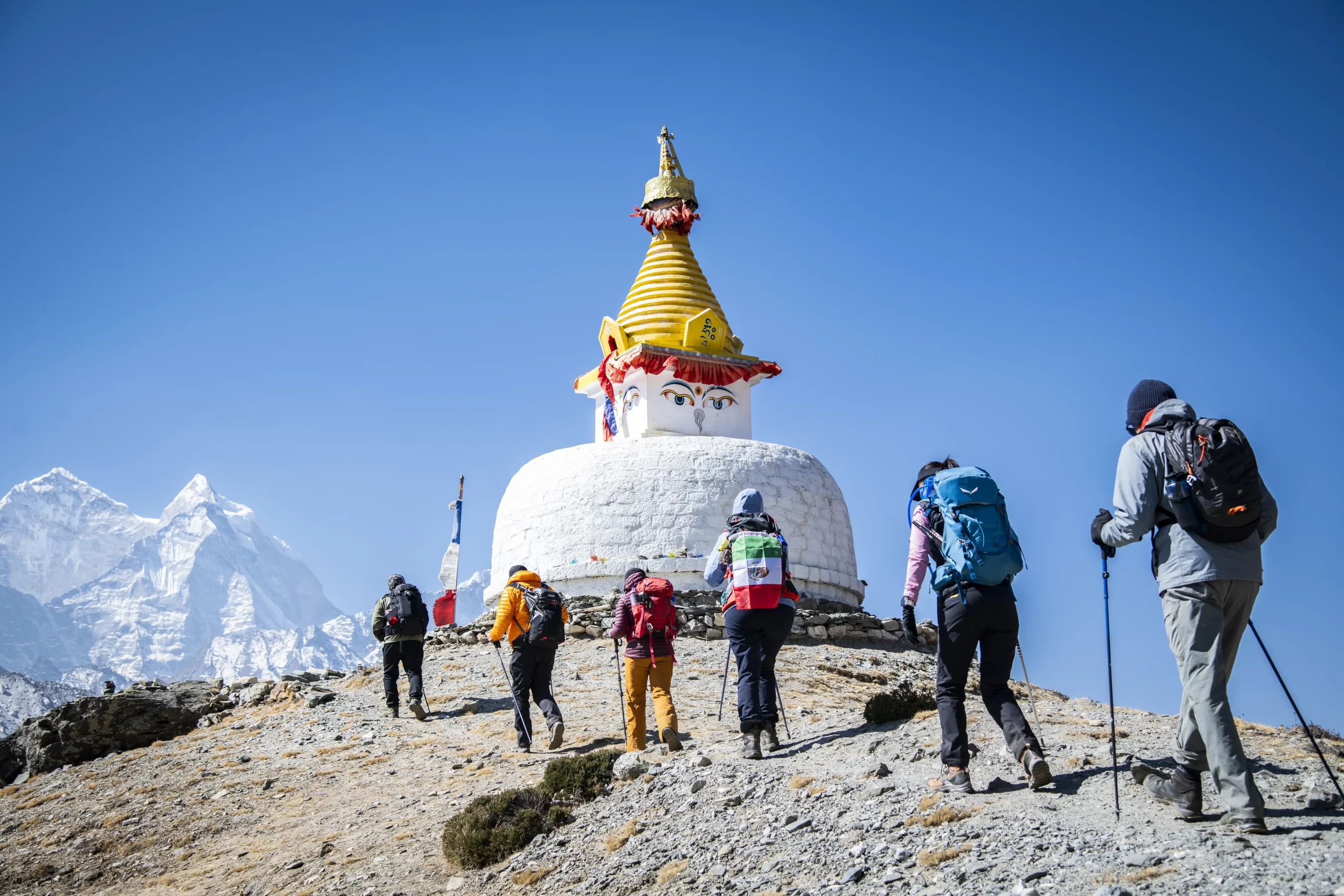
Itinerary
DAY 1 - October 24
Arrival in Kathmandu
Upon arrival at Kathmandu International Airport, our local team will meet you and transfer you to the hotel located in the heart of Thamel, the city’s vibrant tourist district.
After your journey, you’ll have time to relax, enjoy a massage at the hotel spa, or explore the lively streets filled with mountain gear shops, cafés, and restaurants from around the world.
Free evening to rest and start soaking in the unique atmosphere of the Himalayas — your adventure begins tomorrow.
DAY 2 - October 25
Gear Check and Preparation in Kathmandu
DAY 3 - October 26
Flight to Lukla and Trek to Phakding
Early in the morning, we’ll transfer to the airport for one of the most memorable flights in the Himalayas — the scenic plane ride to the legendary Lukla Airport. If the weather allows, you’ll enjoy spectacular views of Everest and its surrounding peaks.
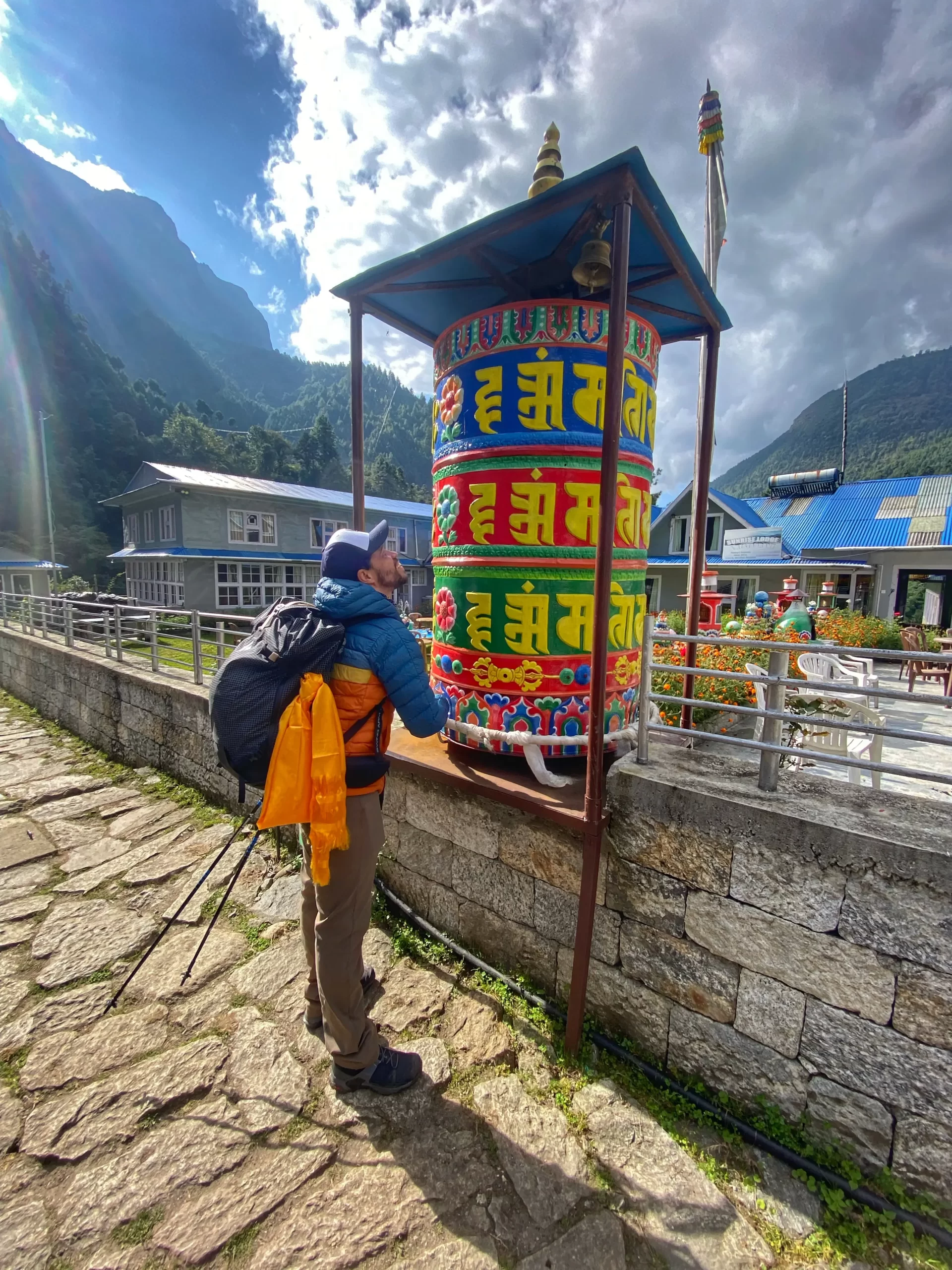
In Lukla, we’ll meet our team of porters and local guides who will accompany us throughout the expedition. From there, we’ll begin our first trek toward Phakding, walking for about 3 hours through pine forests, prayer wheels, and small Sherpa villages.
Afternoon at leisure and overnight stay in a cozy mountain lodge.
DAY 4 - October 27
Trek to Namche Bazaar
Today’s trek is one of the most iconic of the entire journey. We’ll walk for about 6 to 7 hours, reaching Namche Bazaar (3,440 m) — the bustling capital of the Khumbu Valley.
The trail passes through several small Sherpa villages, suspension bridges, and lush forests before starting a steady climb toward Namche. It’s a day of progressive altitude gain, so we’ll walk slowly to ensure good acclimatization.
If the weather is clear, we’ll enjoy our first view of Mount Everest along the way. We’ll spend two nights in Namche to help our bodies adapt to the altitude.
DAY 5 - October 28
Acclimatization Day in Namche Bazaar
Today we’ll focus on active acclimatization. In the morning, we’ll take a short hike to the Everest View Hotel, one of the best panoramic points in the region, offering breathtaking views of Everest, Lhotse, and Ama Dablam.
The afternoon is free to rest and explore Namche Bazaar — a lively mountain town filled with cafés, bakeries, artisan shops, and outdoor gear stores.
This day allows your body to adapt better to the altitude while giving you time to enjoy the atmosphere of the Himalayas and the warmth of Sherpa culture.
DAY 6 - October 29
Trek to Tengboche
We’ll start the day hiking along a scenic trail with incredible views of Everest, Lhotse, and Ama Dablam. The path descends through a beautiful forest of rhododendrons until we reach the river, where we’ll stop for lunch before beginning a steady climb toward Tengboche.
This section takes about 6 hours at a relaxed pace. Tengboche is one of the most picturesque villages in the Khumbu Valley and home to the region’s most important Buddhist monastery, surrounded by breathtaking mountain scenery.
In the afternoon, we’ll visit the monastery and enjoy the peaceful atmosphere of this spiritual place before dinner and rest at our lodge.
Day 7 - October 30
Trek to Dingboche
We’ll begin the day descending through beautiful forests before crossing the Imja Khola River once again. As we gain altitude, the landscape transforms — trees give way to alpine shrubs and open valleys surrounded by snow-capped peaks.
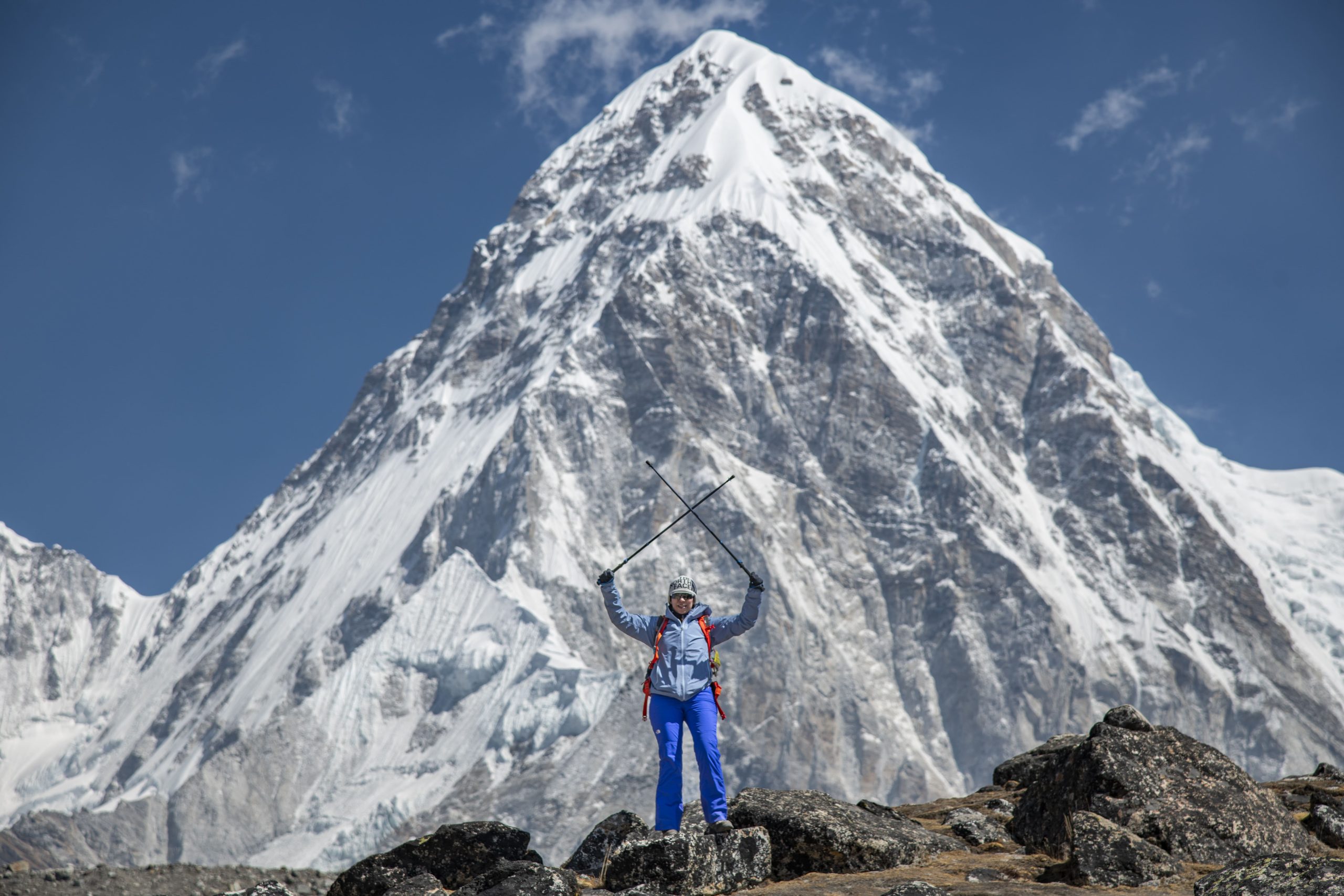
We’ll stop for lunch around 4,000 meters and continue our gentle ascent across the Orsho plains, enjoying spectacular views of Ama Dablam and Lhotse. On clear days, we might even see Pumori in the distance.
After 6 to 7 hours of hiking, we’ll arrive in Dingboche, a charming high-altitude village nestled among glaciers and stone-walled fields. The scenery here is simply unforgettable.
Day 8 - October 31
Acclimatization Day in Dingboche
Today we’ll do an active acclimatization hike to help our bodies adjust to the higher altitude. After breakfast, we’ll ascend to a nearby viewpoint at around 4,800 meters, offering panoramic views of Ama Dablam, Lhotse, and Makalu.
We’ll return to Dingboche for lunch and enjoy a free afternoon to rest, explore the village, or relax at the cozy Café 4410 — a favorite spot among trekkers.
This day of light activity and recovery is essential to ensure we continue the expedition strong and well-acclimatized.
Day 9 - November 1
Trek to Lobuche
We’ll start the day with a magical sunrise over Ama Dablam, Island Peak, and Makalu. The trail gradually climbs through alpine terrain, surrounded by spectacular views of Cholatse and Taboche.
As we gain altitude, the landscape becomes more rugged and the air thinner — clear signs that we’re approaching the Khumbu Glacier. Along the way, we’ll pass the memorial area dedicated to climbers who lost their lives on Everest, a place that invites reflection and respect.
After 5 to 6 hours of hiking, we’ll arrive in Lobuche, a small settlement on the edge of the glacier, where we’ll rest and prepare for the exciting days ahead.
Day 10 - November 2
Trek to Everest Base Camp (5,364 m) and Return to Gorakshep (5,160 m)
Today we reach one of the most anticipated moments of the journey — Everest Base Camp, at the foot of the highest mountain on Earth.
We’ll start early and follow the Khumbu Glacier, surrounded by the dramatic peaks of Everest, Nuptse, and Pumori. The trail is rocky but steady, and after about 2 to 3 hours of hiking, we’ll arrive at the legendary Base Camp, where the spirit of great Himalayan expeditions fills the air.
We’ll have time to explore, take photos, and enjoy this incredible milestone before heading back to Gorakshep for the night. Watching the sunset over the Himalayas from here is an unforgettable experience.
Day 11 - November 3
Ascent to Kalapattar. Overnight in Periche (option to descend by helicopter if the weather permits). Arrival in Lukla.
We’ll start early to reach the summit of Kala Patthar (5,545 m) at sunrise. The hike takes about two hours, gaining around 500 meters of elevation. The effort is rewarded with one of the most spectacular views in the world — Everest, Lhotse, and Nuptse glowing in the morning light, with the Khumbu Glacier and Base Camp far below.
After taking in this unforgettable panorama, we’ll descend back to Gorakshep for breakfast and then continue our trek down the valley to Pheriche, where we’ll spend the night.
If we’re lucky with the weather, there might be an option to fly to Lukla by helicopter the same day.
Day 12 - November 4
Weather Contingency Day
This extra day is reserved in case of weather delays or changes to the flight schedule in the Himalayas. Conditions in this region can be unpredictable, and having this buffer ensures the expedition runs safely and smoothly.
If everything goes as planned, we’ll use this day to enjoy the mountains at a relaxed pace, explore nearby viewpoints, or simply rest and soak in the incredible Himalayan landscape.
Day 13 - November 5
Flight to Kathmandu
If the weather allows, we’ll take our morning flight back to Kathmandu — either directly from Lukla or from another nearby airstrip. The flight offers a spectacular final view of the Himalayas, a perfect farewell to these majestic mountains.
Upon arrival, we’ll transfer to the hotel. The rest of the day is free to relax, enjoy a massage, or explore Thamel’s colorful streets filled with shops, cafés, and local markets.
Day 14 - November 6
Free Day in Kathmandu
Today is a free day to rest, explore, or simply enjoy the vibrant atmosphere of Kathmandu. You can visit some of the city’s most emblematic sites such as the Swayambhunath Stupa (also known as the Monkey Temple), the historic Durbar Square, or the sacred Pashupatinath Temple on the banks of the Bagmati River.
You can also take this time to relax at the hotel, shop for souvenirs in Thamel, or enjoy a farewell dinner with the group to celebrate the completion of this incredible Himalayan adventure.
Day 14 - November 7
Return Flight to Home Country
After breakfast, it’s time to say goodbye to Nepal and the majestic Himalayas. Depending on your flight schedule, you’ll have some free time to relax or do some last-minute shopping before your transfer to the international airport.
As you board your flight home, you’ll carry with you not only unforgettable memories and breathtaking landscapes but also the deep sense of accomplishment that comes from standing at the foot of the world’s highest mountain.
LOBUCHE
DAY 1 - November 8
Extra day as a buffer due to weather.
DAY 2 - November 9
Periche to Namche.
DAY 3 - November 10
Namche to Lukla
DAY 4 - November 11
Lukla to KTM
DAY 5 - November 12
Free day in Kathmandu.
DAY 6 - November 13
Return flight to Mexico or country of origin.
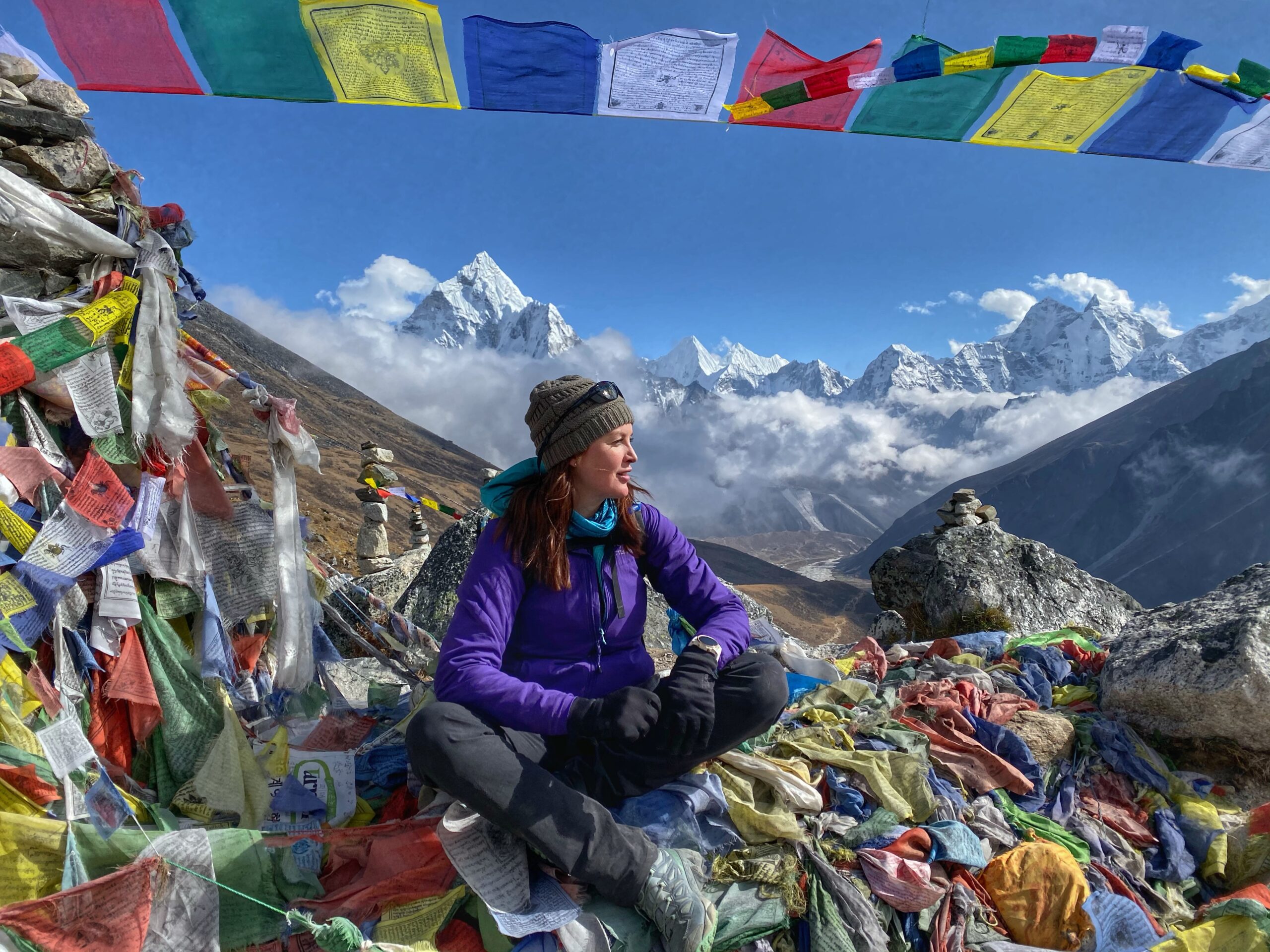

Contact Us
We look forward to sharing a unique experience with you!
LOCATION: Mexico City
PHONE: +52 55 2755 9402
MAIL: 14peakslatam@gmail.com
Contáctanos
¡Te esperamos para vivir juntos una experiencia única!
LOCATION: Mexico City
PHONE: +52 5527559402
MAIL: 14peakslatam@gmail.com
